Korean Hangul Essentials for TOPIK
Hangul Basics
The Alphabet from a King
Before the 15th century, writing in Korean was a challenge. Most Koreans were illiterate because they had to learn thousands of complex classical Chinese characters to read and write. This system just wasn't a good fit for the sounds of the Korean language.
King Sejong the Great, the fourth king of the Joseon Dynasty, wanted to change this. He believed that everyone, not just the elite, should be able to read and write. So, he and a group of scholars created a new, simple writing system. They introduced it to the public in 1446 in a document called Hunminjeongeum, which means "The Proper Sounds for the Instruction of the People."
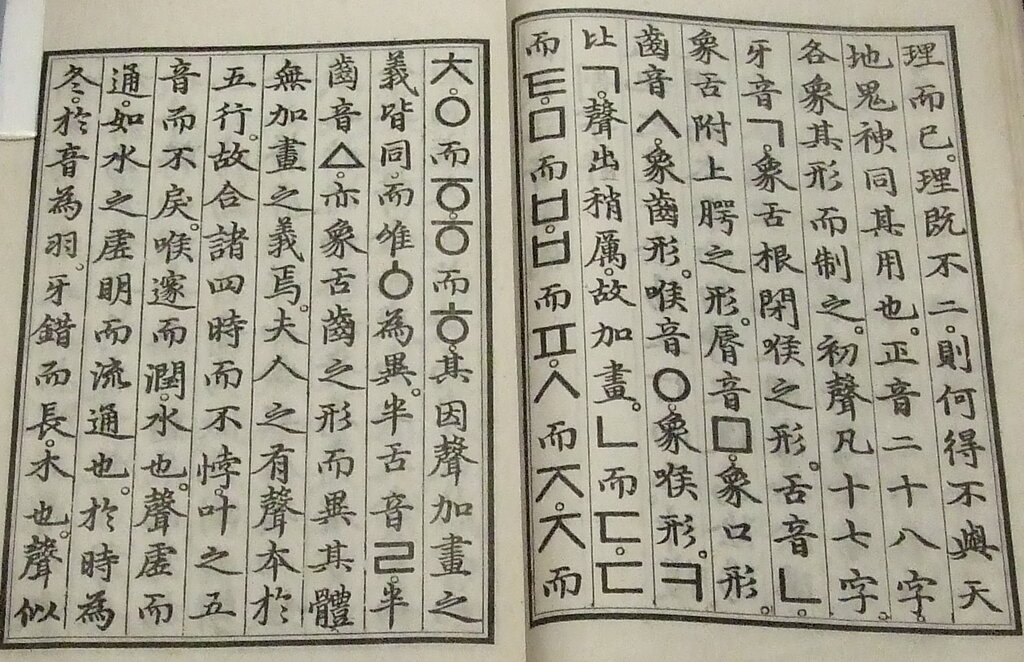
This new alphabet was named Hangul (한글). Unlike systems where each character represents a whole word, Hangul is a true alphabet. Each letter represents a single sound. What makes it unique is how these letters are grouped together.
Building Blocks of Sound
Hangul letters are called jamo (자모). There are two types of jamo: consonants and vowels. The shapes of the basic consonants were designed to mimic the shape of the mouth and tongue when making that sound. The three basic vowel shapes represent the sky (a dot), the earth (a horizontal line), and humanity (a vertical line).
These simple, logical pieces are the foundation of the entire writing system.
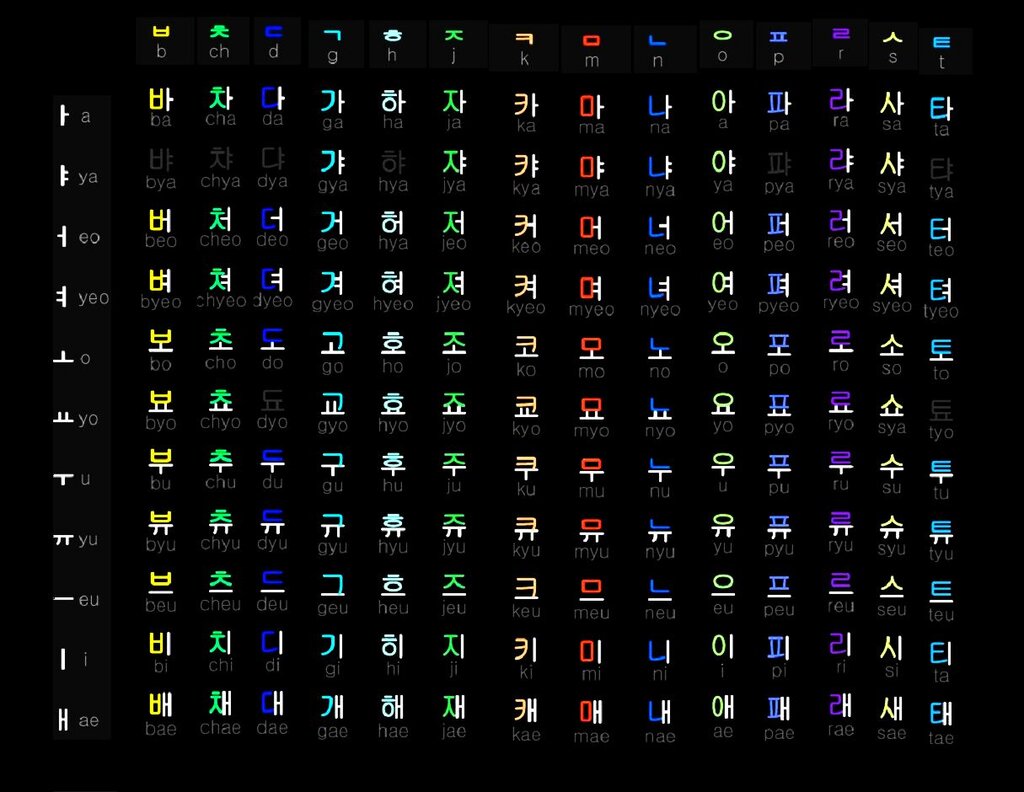
Instead of writing letters in a long line like in English, Hangul groups jamo into syllable blocks. Think of it like assembling LEGO bricks. Each block represents one spoken syllable, and every syllable needs at least one consonant and one vowel.
These blocks are always read from left to right, and top to bottom.
Every syllable block has a predictable structure.
- Initial Consonant (초성): Every block begins with a consonant. It's placed on the left or top-left.
- Medial Vowel (중성): The vowel always follows the initial consonant. If it's a vertical vowel like ㅏ (a) or ㅣ (i), it goes to the right of the consonant. If it's a horizontal vowel like ㅗ (o) or ㅜ (u), it goes below it.
- Final Consonant (종성): This part is optional. If a syllable ends with a consonant sound, that letter is placed at the very bottom of the block.
Let's see how this works with the word Hangul itself: 한 (han) and 글 (geul).
| Syllable | Initial | Vowel | Final | Result |
|---|---|---|---|---|
| han | ㅎ (h) | ㅏ (a) | ㄴ (n) | 한 |
| geul | ㄱ (g) | ㅡ (eu) | ㄹ (l) | 글 |
Even if a syllable starts with a vowel sound in speech, the block must still have an initial consonant. In these cases, we use the silent placeholder consonant, ㅇ. For example, the word for 'child', ai, is written 아이. The first syllable, 'a', is written as 아 (ㅇ + ㅏ).
Every Hangul block contains one and only one syllable. This structure makes the written language incredibly consistent and easy to read once you know the rules.
Now you know the basic history and structure of Hangul. Let's test what you've learned.