Klaviyo Segmentation Mastery
Introduction to Audience Segmentation
Talking to People, Not Crowds
Imagine walking into a store where the staff knows exactly what you like. They don't try to sell you hiking boots if you're a city dweller, or a formal gown if you're looking for beachwear. Instead, they point you toward things you'll genuinely find interesting. That’s the core idea behind audience segmentation.
It’s the practice of dividing your audience into smaller groups based on shared characteristics. Instead of sending one generic message to everyone, you send tailored messages that resonate with each specific group. This could be based on their location, what they've bought before, or how they've interacted with your brand.
By categorizing your audience based on their preferences, behaviors, and traits, you move away from the generic approach and tailor your strategies to resonate with distinct groups, ensuring a more personalized and impactful connection.
This isn't just about being nice; it's about being effective. When messages are relevant, people are far more likely to pay attention.
The Payoff of Personalization
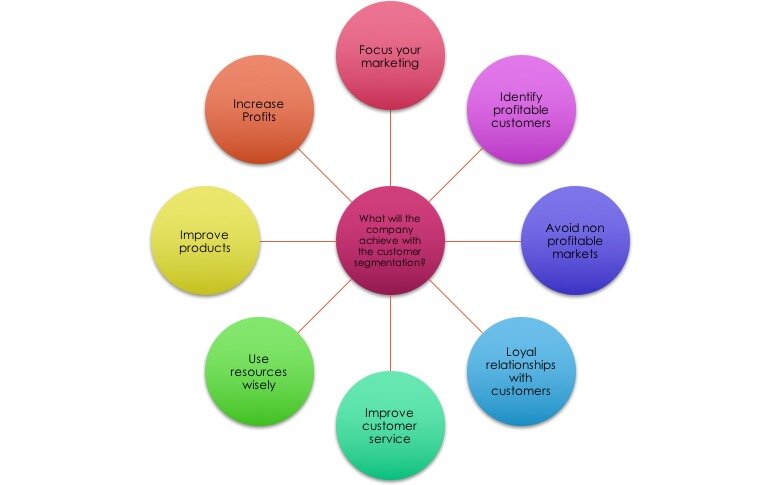
When you treat customers like individuals, good things happen. Segmentation directly impacts your marketing success in a few key ways.
First, engagement goes up. People open and click on emails that feel like they were written just for them. It’s the difference between junk mail and a personal letter.
Second, deliverability improves. Email services like Gmail notice when lots of people are ignoring or deleting your messages. When engagement is high, email providers see your content as valuable, making it less likely to end up in the spam folder.
Finally, and most importantly, conversion rates increase. A well-timed, relevant message that speaks to a customer's specific needs or interests is much more likely to result in a purchase. You're showing them the right product at the right time.
Lists vs. Segments
In Klaviyo, you'll work with two ways to group people: lists and segments. They might sound similar, but they function very differently.
A list is static. It's like a guest list for a party. People are added when they sign up, and they stay on that list unless they're manually removed or they choose to unsubscribe. It’s a fixed collection of contacts.
A segment, on the other hand, is dynamic. It’s defined by a set of rules or conditions that you create. Think of a segment as a club with specific membership criteria, like "customers who have purchased in the last 30 days" or "people who have opened at least five of our emails." People automatically join the segment when they meet the criteria and leave when they no longer do. It updates in real time, without you having to lift a finger.
| Feature | Lists | Segments |
|---|---|---|
| Nature | Static | Dynamic |
| Updates | Manually | Automatically, in real time |
| Basis | Direct sign-ups | Behavior, location, purchase history, etc. |
| Example | Newsletter Subscribers | Recent Buyers |
While lists are great for your main newsletter audience, segments are where the real power of personalization lies. They allow you to react to customer behavior automatically, ensuring your marketing is always relevant.
Think of it this way: a list is who your customers were when they signed up. A segment is who they are right now.
Ready to check your understanding?
What is the primary goal of audience segmentation?
Which of the following is defined by a set of rules and automatically updates as customer data changes?