Klaviyo Advanced Flows
Klaviyo Flow Fundamentals
What Are Klaviyo Flows?
Think of a flow as an automated conversation. It's a sequence of emails or text messages that starts when a specific event, or "trigger," happens. For example, when someone subscribes to your newsletter, that action can trigger a welcome flow. Instead of manually sending a welcome email to every new subscriber, Klaviyo does it for you instantly.
This isn't just about sending one email. A flow can be a series of messages spaced out over time. It ensures you're communicating with your customers at the moments that matter most, without you having to be at your keyboard 24/7. It's your personal, always-on marketing assistant.
Flows let you set up a marketing process once and have it run automatically for every person who meets the trigger criteria.
Common Types of Flows
While you can create flows for almost any customer action, a few are essential for most businesses. Let's look at the foundational three.
Start Simple: Begin with welcome sequences and abandoned cart emails.
Welcome Series
This is your first impression. A welcome series triggers when someone signs up for your email list. It's your chance to introduce your brand, set expectations, and make a new subscriber feel, well, welcome. A good welcome series often includes a thank you message, a bit about your brand's story, and maybe a small discount on their first purchase to get the relationship started.
Abandoned Cart
This is one of the most profitable flows you can set up. It triggers when a shopper adds an item to their cart but leaves your site without completing the purchase. People get distracted for all sorts of reasons. An abandoned cart flow gently reminds them what they left behind.
The first email is usually a simple reminder, sent a few hours after they abandon the cart. If they still don't purchase, a second email 24 hours later might include a small discount or free shipping to encourage them to complete the order.
Post-Purchase Follow-up
Your job isn't done once a customer makes a purchase. The time right after a sale is a huge opportunity to build a long-term relationship. A post-purchase flow triggers when a customer places an order.
This flow can start with a simple thank you and order confirmation. A few days later, you might send shipping updates. Once the product has likely arrived, you can ask for a review or share tips on how to use the product. You can even suggest related products they might like, encouraging a second purchase.
Why Bother with Flows?
Setting up automated flows is a powerful way to grow your business. They work around the clock to create a personalized experience for every single customer.
- Save Time and Effort: Once a flow is live, it runs on its own. You don't have to think about it again, freeing you up to focus on other parts of your business.
- Increase Revenue: Flows like abandoned cart reminders directly recover sales that would have otherwise been lost. Post-purchase flows can drive repeat business, increasing each customer's lifetime value.
- Build Stronger Relationships: By sending timely, relevant messages, you show customers you understand their needs. This builds trust and loyalty, turning one-time buyers into dedicated fans.
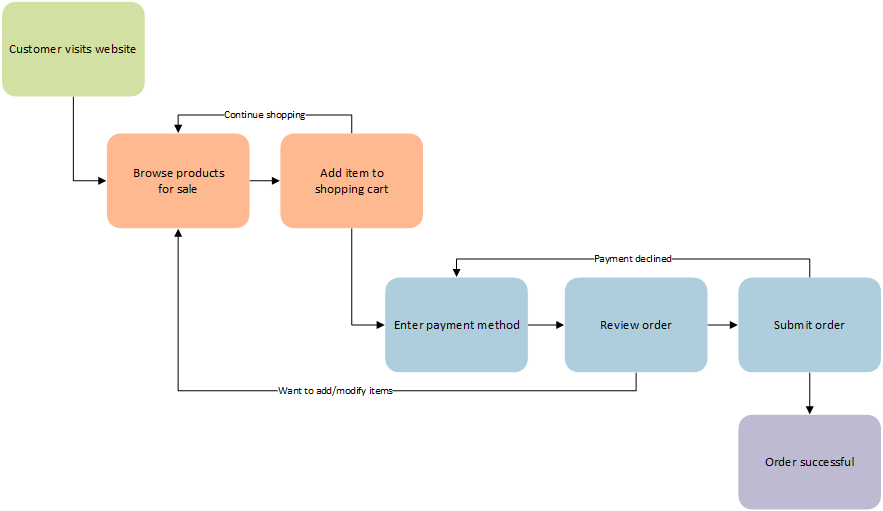
Ready to put these concepts into practice? Let's review the key terms first.
Now, let's check your understanding.
What is the primary function of an automated flow in email marketing?
A shopper adds a product to their online cart but leaves the website without buying it. Which type of flow is designed to address this specific scenario?
Understanding these basic flows is the first step. By automating these key touchpoints, you build a solid foundation for a successful email marketing strategy.