Kiwi Birds and Fruits Explored
Kiwi Bird Overview
New Zealand's Oddest Bird
Meet the kiwi, a bird so unique it seems to follow a different set of rules. Found only in New Zealand, this small, flightless bird is a true outlier in the avian world. Unlike other birds, the kiwi is built for a life on the forest floor.
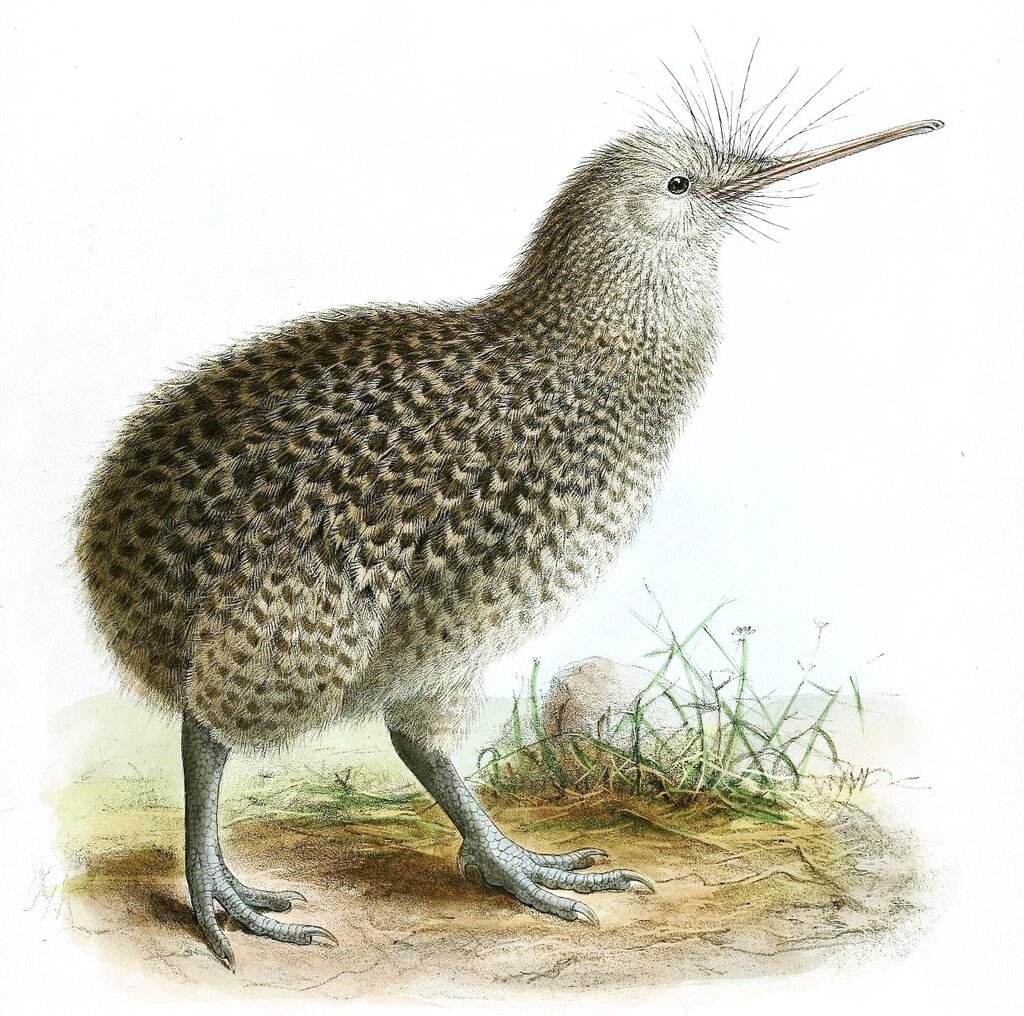
For starters, its feathers are more like shaggy hair, providing excellent camouflage in the undergrowth. Its body is stout and pear-shaped, with powerful legs and no visible wings. But its most peculiar feature is its long, slender bill. Unlike any other bird, the kiwi's nostrils are right at the very tip, giving it an extraordinary sense of smell.
endemic
adjective
Native or restricted to a certain country or area.
A Life in the Dark
Kiwis are nocturnal, which means they are most active at night. Their keen sense of smell is crucial for their survival in the dark. While other birds rely on sharp eyesight to find food, the kiwi uses its bill like a probe, sniffing out insects, worms, and fallen fruit buried beneath the soil. It taps and sniffs the ground, and when it detects a meal, it plunges its long beak into the earth to grab it.
This reliance on smell is a rare adaptation among birds, who typically have a poor sense of smell. The kiwi's brain even has a large olfactory bulb, the region responsible for processing smells, further highlighting how central this sense is to its way of life.
The kiwi effectively 'sees' the world through its nose, a strategy more common in mammals like badgers than in birds.
An Ancient Family Tree
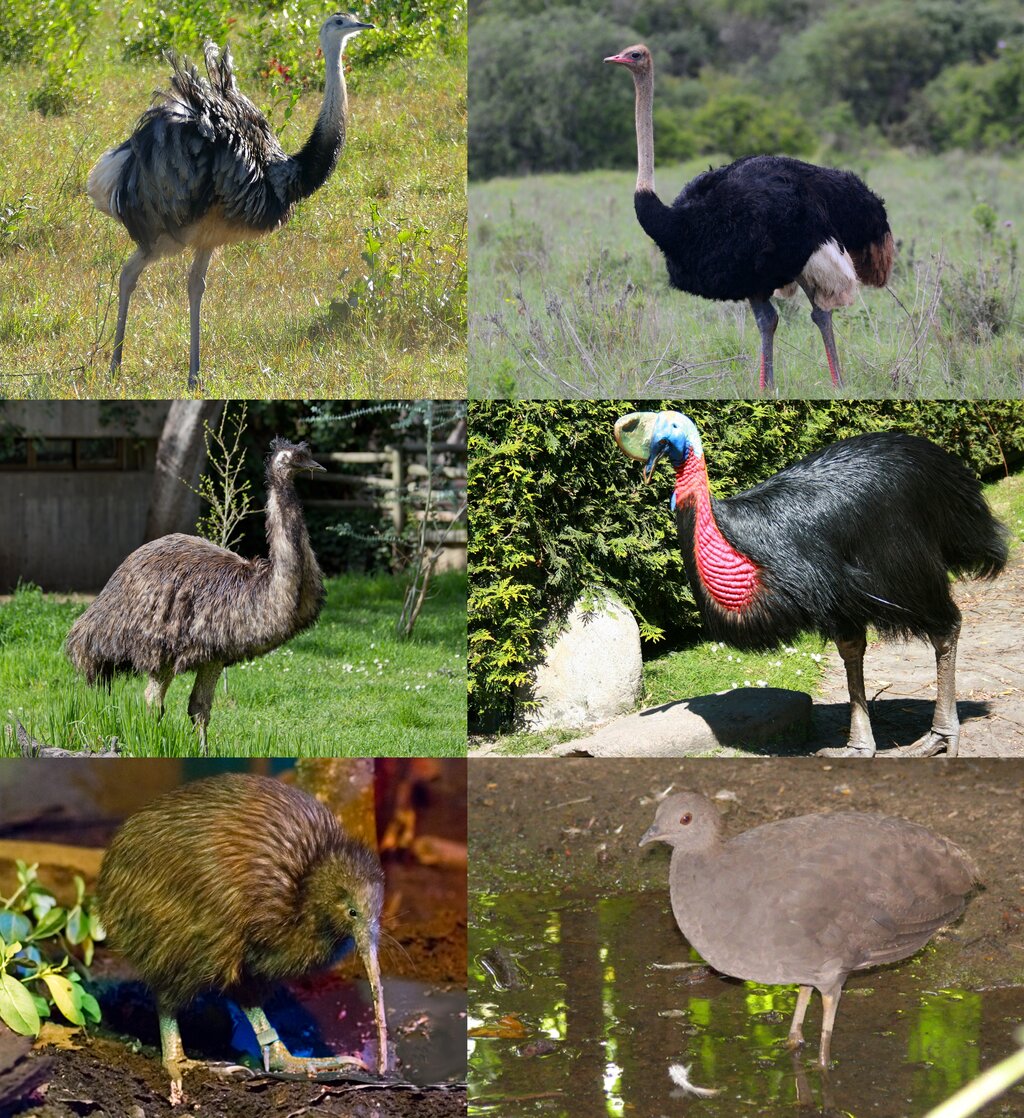
The kiwi's strangeness is a clue to its ancient origins. It belongs to a group of birds called ratites, which are mostly large and flightless. This group includes some of the world's biggest birds, like the ostrich, emu, and cassowary. Despite its small size, the kiwi is one of them.
Genetic studies have revealed a surprising family connection. The kiwi's closest relative isn't the moa, another extinct flightless bird from New Zealand, as was long thought. Instead, its closest relative was the enormous, extinct elephant bird of Madagascar, an island thousands of miles away.
This discovery suggests that the ancestors of both birds could fly. They likely traveled across the ancient supercontinent of Gondwana before it broke apart, with each population evolving independently in its new, isolated home.
Now that you've learned about this fascinating bird, let's review some of the key ideas.
Ready to test your knowledge?
What is the most unique feature of a kiwi's bill that helps it find food in the dark?
The kiwi's reliance on its sense of smell is unusual for a bird. This is reflected in its brain, which has a large ______.
With its unique adaptations and surprising evolutionary story, the kiwi is a powerful reminder of how life can find remarkable ways to thrive in isolation.