Kitesurfing Essentials
Introduction to Kitesurfing
The Thrill of the Wind
Kitesurfing, also known as kiteboarding, is a thrilling surface water sport that blends aspects of surfing, wakeboarding, and paragliding into one. At its core, it's about harnessing the power of the wind with a large kite to pull yourself across the water on a small surfboard or a kiteboard. It’s a dance between you, the wind, and the water.
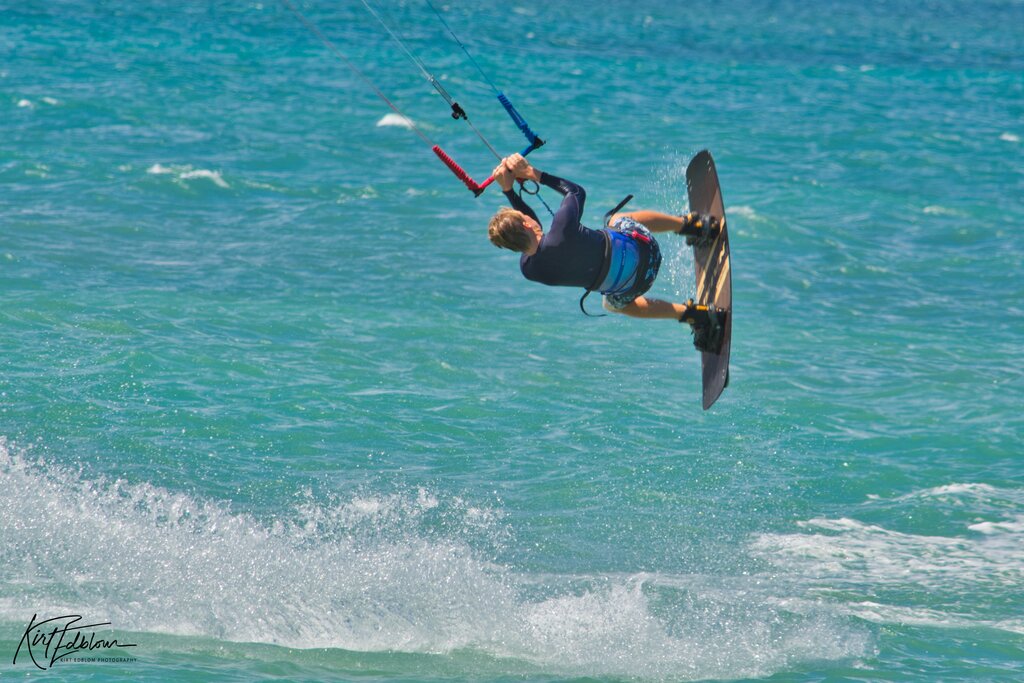
Unlike wakeboarding, you aren't tied to a boat. Unlike surfing, you don't need waves. All you need is wind and water, giving you a sense of freedom that's hard to match. You can glide across calm bays, boost huge airs off choppy water, or even ride ocean waves.
From Practicality to Play
The idea of using kites for propulsion isn't new. For centuries, people have used kites to pull everything from carts to boats. In the 1820s, a British inventor named George Pocock patented a system using kites to pull carriages on land, claiming it was faster than horses and avoided taxes on them.
However, kitesurfing as a sport is much more recent. Its modern roots trace back to the 1970s and 80s, when pioneers began experimenting with new materials and kite designs. The real breakthrough came in the mid-1990s when French brothers Bruno and Dominique Legaignoux developed and patented the first inflatable kite. This design, which could be relaunched from the water, was the key that unlocked the sport for the masses.
By the late 1990s and early 2000s, kitesurfing exploded in popularity, with riders like Laird Hamilton and Robby Naish pushing the limits and bringing the sport into the public eye.
The Principles of Flight
So, how does it all work? A kitesurfing kite acts much like an airplane wing, or an airfoil. As wind flows over its curved surface, it travels faster than the wind flowing underneath. This difference in speed creates a pressure difference—lower pressure on top, higher pressure below—which generates lift and pulls the kite upward and forward.
The rider controls this force through a control bar connected to the kite by lines. By steering the kite through the air in a specific area known as the "wind window," the rider can control the amount and direction of the pull. Edging the board against the water provides resistance, allowing the rider to travel across the wind, or even upwind.
Your Basic Gear
While there are many variations, the basic kitesurfing setup consists of a few key components. You don't need to know the fine details yet, but it's good to recognize the main parts.
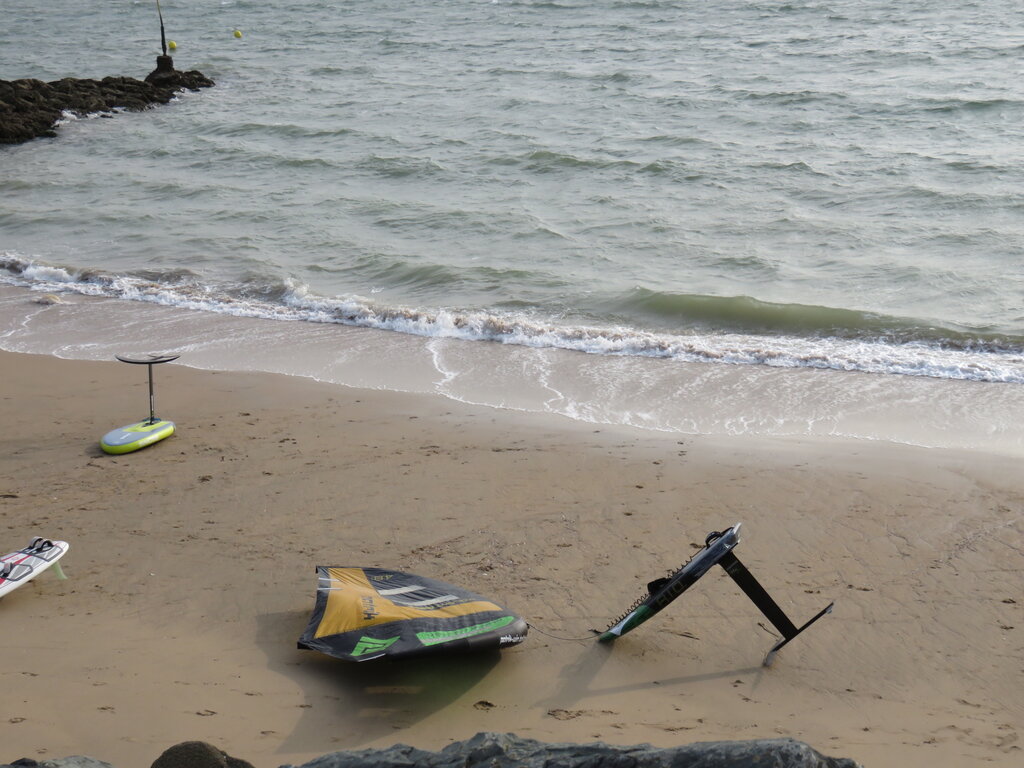
| Component | Purpose |
|---|---|
| Kite | Catches the wind to generate power. Most common are Leading Edge Inflatables (LEI). |
| Control Bar & Lines | Used by the rider to steer the kite and control its power. |
| Harness | Worn by the rider, it connects them to the kite via the control bar, taking the strain off their arms. |
| Board | The surface you ride on. Twin-tips (symmetrical) are most common for beginners. |
Together, these pieces form a system that allows a rider to become one with the wind, translating its invisible energy into motion and flight.
What is the primary power source for kitesurfing, distinguishing it from sports like wakeboarding?
The lift generated by a kitesurfing kite is primarily a result of what principle?
That's a quick look at what kitesurfing is, where it came from, and how it works. It's a sport that combines technology with the raw power of nature.