Kitchen Cleanliness Masterclass
Kitchen Hygiene Basics
The Foundation of Good Cooking
Before you learn any recipe, master any technique, or even chop your first onion, there's one skill that underpins everything else in the kitchen: hygiene. A clean kitchen isn't just about looking tidy. It's the most important step in preventing foodborne illness and keeping your food safe and delicious.
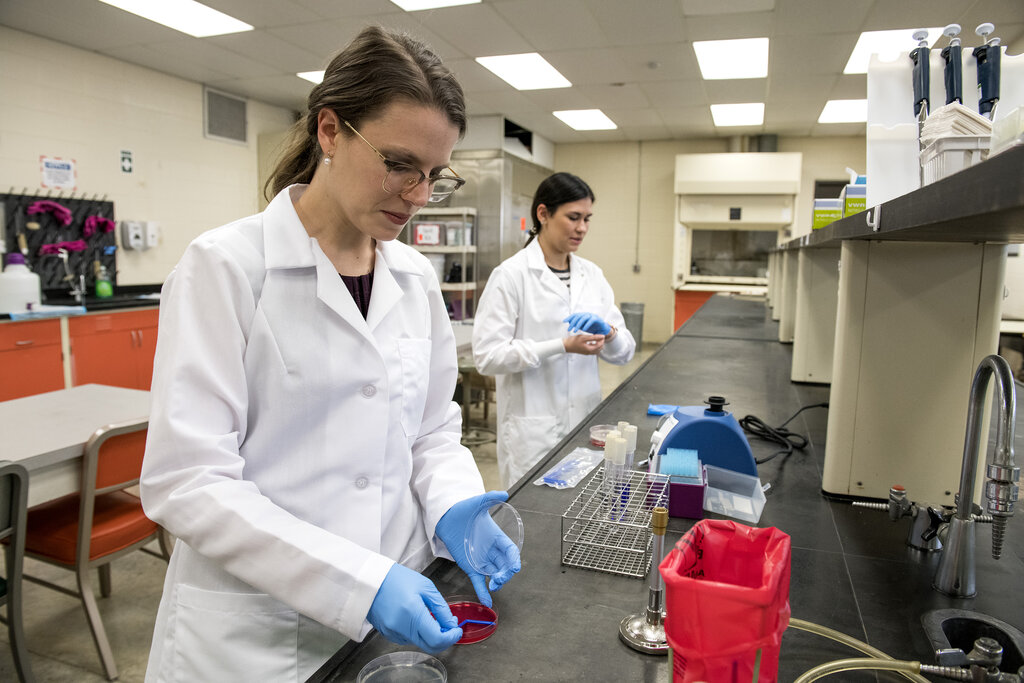
Think of your kitchen as a laboratory. You're working with different ingredients, some of which carry invisible bacteria. Your job is to make sure the harmful bacteria don't end up in your finished meal. Good hygiene is your set of safety rules.
The Danger of Cross-Contamination
One of the biggest risks in any kitchen is cross-contamination. This happens when harmful germs, like bacteria from raw meat, spread to food that's ready to eat. It’s surprisingly easy to do if you're not paying attention.
Imagine you’re preparing chicken for dinner. You place the raw chicken on a cutting board and chop it up. Then, using the same knife and cutting board, you start chopping tomatoes for a salad. You've just transferred potentially harmful bacteria from the raw chicken to the fresh tomatoes. The chicken will be cooked, killing the bacteria, but the salad will be eaten raw, germs and all.
To prevent this, always use separate cutting boards, plates, and utensils for raw meat, poultry, and seafood. If you don't have separate ones, wash them thoroughly with hot, soapy water after they touch raw meat and before they touch anything else.
Keep raw foods and ready-to-eat foods separate at all times.
Your Most Important Tools
Your hands are your primary kitchen tools. They touch every ingredient and every piece of equipment, which means they are also the primary vehicle for spreading germs. Washing them properly and often is non-negotiable.
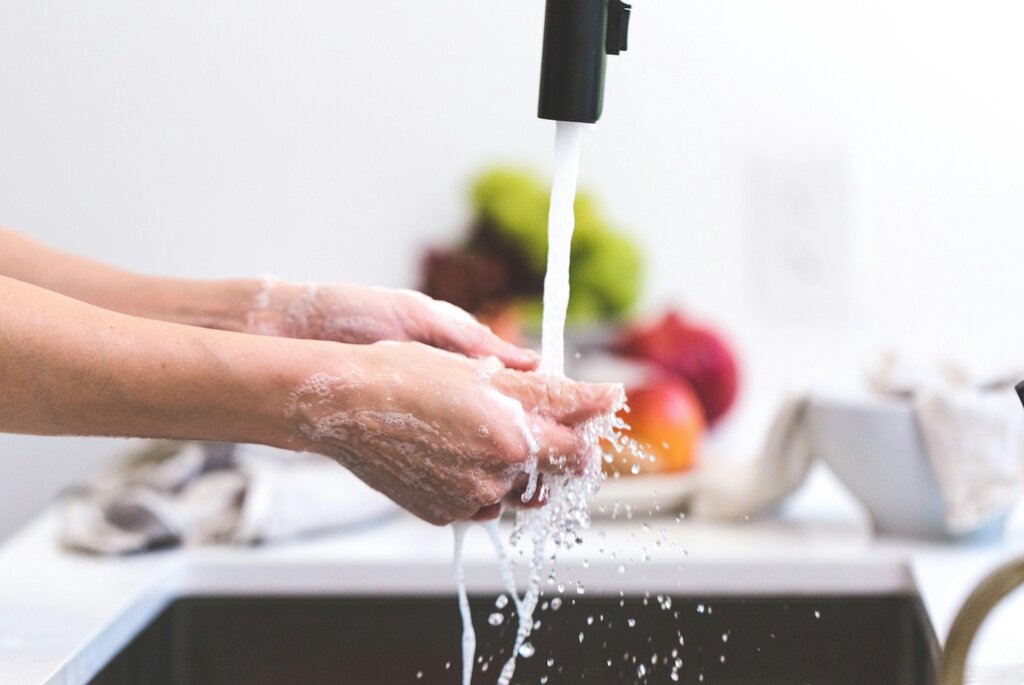
You should always wash your hands before you start cooking, after handling raw meat, after touching your face or hair, after sneezing or coughing, and before serving food. Here’s the right way to do it:
- Wet your hands with clean, running water.
- Lather up with soap, making sure to get the backs of your hands, between your fingers, and under your nails.
- Scrub for at least 20 seconds. Need a timer? Hum the "Happy Birthday" song from beginning to end twice.
- Rinse your hands well under clean, running water.
- Dry your hands using a clean towel or air dry them.
Personal hygiene is the first line of defense against foodborne pathogens.
Beyond handwashing, other personal habits matter. Tie back long hair so it doesn't fall into the food. Avoid wearing rings or bracelets that can trap food particles and bacteria. Wear clean clothes or an apron. And most importantly, if you're sick, especially with an upset stomach, stay out of the kitchen and let someone else do the cooking.
Make It a Habit
A clean kitchen is the result of consistent habits, not occasional deep cleans. The best approach is to clean as you go. This simple practice keeps messes from piling up and makes cooking more efficient and enjoyable.
Wipe up spills as soon as they happen. Wash a bowl while you're waiting for water to boil. Put ingredients away after you use them.
After every cooking session, make it a rule to wash all used dishes, wipe down all counters and your stovetop, and sweep the floor. Starting with a clean kitchen and ending with a clean kitchen ensures your cooking space is always ready and safe for your next meal.
Ready to check what you've learned?
You've just finished dicing raw chicken on a plastic cutting board. What should you do before you start chopping salad vegetables on the same board?
To effectively remove germs, you should scrub your hands with soap for at least 20 seconds.
Mastering these hygiene basics is a huge step toward becoming a confident and responsible cook. It’s a simple set of practices that protects you and others, and it's the true secret ingredient to any great meal.