King Magician Warrior Archetypes
Introduction to Archetypes
Universal Blueprints
Certain patterns appear again and again in stories and cultures all over the world. Think of the wise old mentor, the rebellious hero, or the nurturing mother figure. These recurring characters and themes are known as archetypes. They are like universal blueprints for human experience, fundamental patterns of thought and behavior that are shared across different times and places.
These patterns aren't just a coincidence. They emerge from a deeper, shared part of the human mind. The idea was most famously developed by Swiss psychiatrist Carl Jung.
The Collective Unconscious
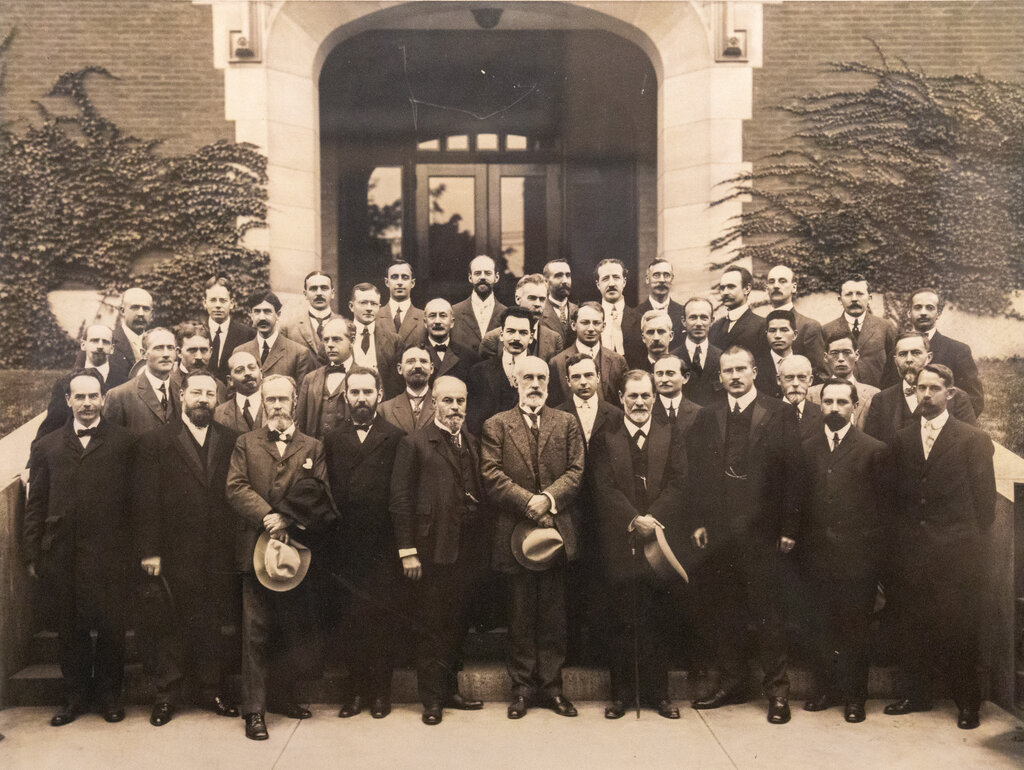
Jung believed that beneath our personal consciousness and our individual unconscious mind, there lies a deeper layer he called the collective unconscious. This isn't about your personal memories or experiences. Instead, it's a kind of inherited reservoir of knowledge and imagery that every human is born with.
The collective unconscious contains the shared experiences and memories of the entire human species, passed down through generations.
Archetypes are the contents of this collective unconscious. They are the instincts, predispositions, and potential ways of being that we all share. They aren't fully formed ideas or images, but rather empty frames that are filled in by our individual and cultural experiences. This is why a hero in ancient Greece might look very different from a hero in modern Japan, but the underlying pattern of their journey is often strikingly similar.
Archetypes in Our Stories
Myths, fairy tales, and literature are rich with archetypal figures and situations. These stories resonate with us because they tap into these deep, universal patterns. Some of the most common archetypes you'll find in storytelling include:
- The Hero: The protagonist who goes on a journey, faces trials, and returns transformed.
- The Mentor: A wise figure who guides and prepares the hero.
- The Shadow: The antagonist or the darker, unacknowledged parts of the hero's own personality.
- The Anima/Animus: The feminine aspect within the male psyche, or the masculine aspect within the female psyche.
- The Trickster: A character who disrupts the ordinary world, often through mischief or humor, to bring about change.
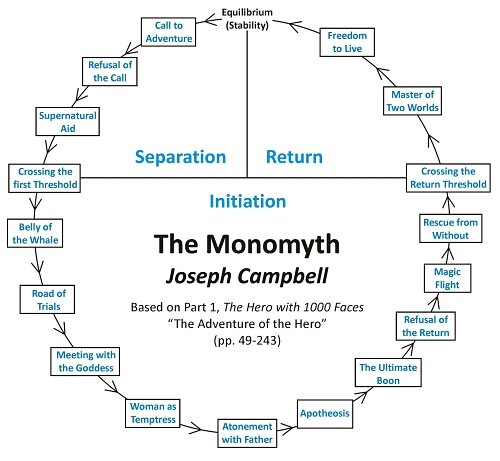
These aren't just stock characters. They represent fundamental aspects of our own psychology. The hero’s journey is a powerful metaphor for our own struggles with growth, challenge, and self-discovery. The conflicts in these stories often mirror our own internal conflicts.
Archetypes are innate, universal symbols and themes that reside within the collective unconscious, influencing human thoughts, behaviors, and experiences (Jung, 1964).
By understanding these basic patterns, we can gain a deeper appreciation for the stories that shape our cultures. More importantly, we can gain insight into the shared patterns that shape our own lives and behaviors. They provide a lens through which we can better understand ourselves and the universal human experience.