King John A Refresher
John's Early Reign
A Contested Crown
When Richard I, the Lionheart, died from a crossbow wound in 1199, the succession was not clear-cut. Under the strict rules of primogeniture, the throne should have passed to Arthur of Brittany, the son of John’s deceased older brother, Geoffrey. However, Anglo-Norman law also recognised the claim of a surviving brother. The choice fell to the barons.
John moved swiftly. With the crucial backing of his powerful mother, Eleanor of Aquitaine, and key English nobles, he was crowned King of England at Westminster Abbey. Arthur, however, was supported by King Philip II of France, who saw an opportunity to undermine the vast Angevin Empire.
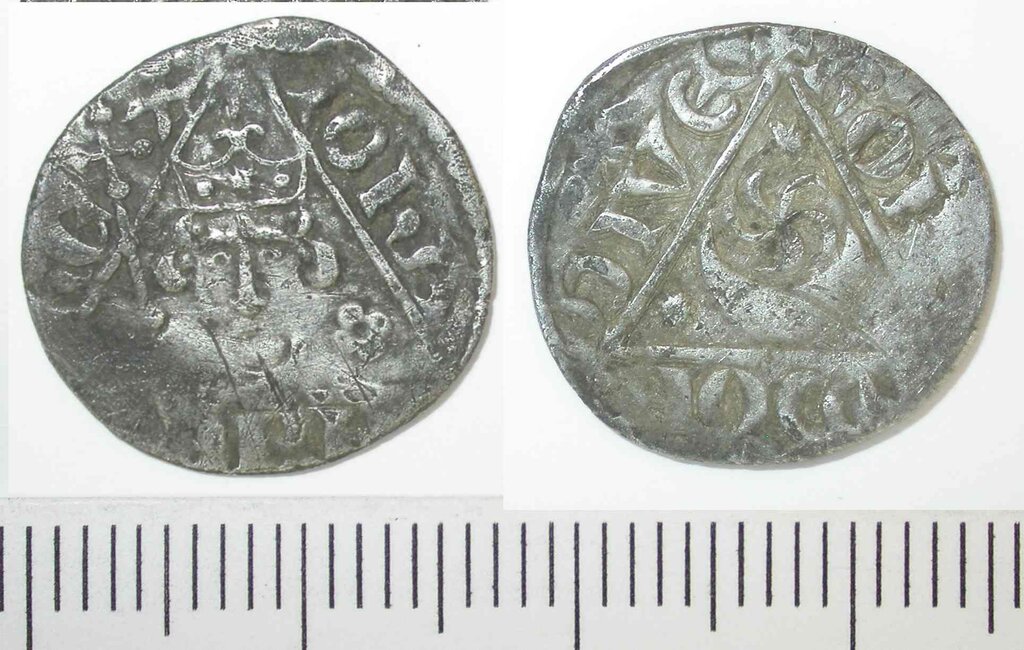
John inherited not just England but a sprawling collection of territories in France, including Normandy, Anjou, Maine, and Touraine. Aquitaine was ruled by his mother, Eleanor, who acted as a vital bulwark against French expansionism. Holding this empire together against a rival claimant and an opportunistic French king was the defining challenge of his early reign.
Strategic Moves
John's immediate strategy was to consolidate power through alliances and decisive action. One of his most significant, and controversial, moves was his second marriage. In 1200, he had his first marriage to Isabella of Gloucester annulled and promptly married Isabella of Angoulême, a young heiress.
This was a calculated political manoeuvre. The county of Angoulême was strategically vital, controlling key routes in Poitou. By marrying Isabella, John secured the territory for himself and thwarted the ambitions of the powerful Lusignan family, to whom she had been betrothed. This act, however, had consequences. The jilted Hugh de Lusignan appealed to King Philip II of France, John's feudal overlord for his continental lands, providing Philip with the legal pretext he needed to intervene.
Eleanor of Aquitaine's influence was indispensable. In her late seventies, she was a political force, securing the loyalty of Aquitaine and Anjou for John and even undertaking diplomatic missions on his behalf.
While dealing with continental threats, John also worked to strengthen his grip on England. He was a highly active and interventionist king, travelling the country relentlessly to oversee justice and administration. Unlike Richard, who spent most of his reign abroad, John was a constant presence in English governance. He focused on exploiting royal revenues and streamlining financial administration, often through methods his barons considered extortionate. These actions filled his treasury but sowed seeds of resentment that would bear fruit later in his reign.
Initially, John's energetic approach was successful. He negotiated the Treaty of Le Goulet with Philip II in 1200, where Philip recognised John as Richard's heir in exchange for territorial concessions in Normandy and a large payment. This treaty temporarily stabilised his continental possessions and bought him valuable time. However, the peace was fragile, and the conflict sparked by his marriage to Isabella of Angoulême would soon shatter it.
Upon Richard I's death, who had a strong competing claim to the English throne based on the rules of primogeniture?
Which individual's crucial support was instrumental in helping John secure the English crown at Westminster Abbey?
These early years show John as a capable, if ruthless, monarch, actively working to secure a complex inheritance against formidable opponents.