King Athelstan
Accession Challenges
Athelstan's Path to Power
When Edward the Elder died, the future of a united England hung in the balance, resting precariously on the shoulders of his successor. This chapter explores the intricate diplomatic tightrope Athelstan walked to gain the essential trust of the Mercian nobility amidst deep-seated political suspicion. By the end of this exploration, you will understand the critical manoeuvres that transformed a disputed regional transition into the foundation of a truly unified English monarchy.
The Mercian Problem
The death of Edward the Elder in 924 triggered an immediate crisis of succession. While we often look back on this period as a steady march toward a single nation, the reality was a fractured landscape of competing identities. The most significant obstacle was the , a region that possessed its own proud history, laws, and a deep-seated resistance to being treated as a mere satellite of the West Saxon kingdom of Wessex.
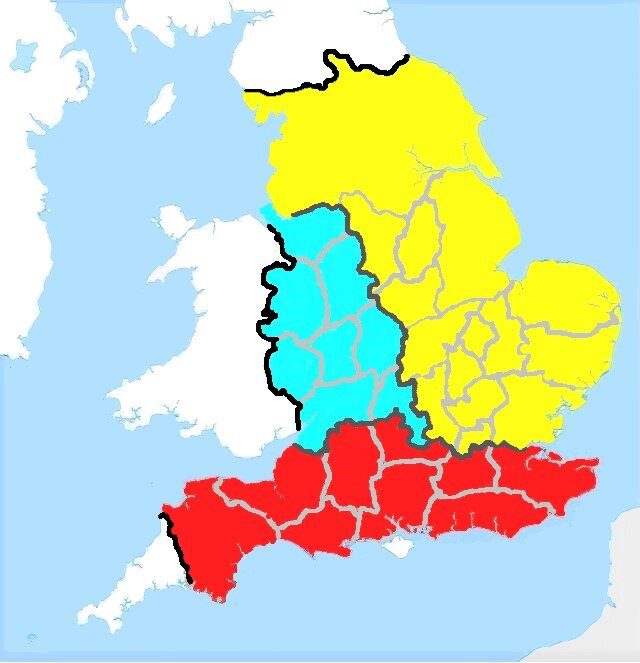
Athelstan did not simply wake up as the undisputed King of the English. In fact, his half-brother Ælfweard was initially recognised as king in Wessex, while Athelstan was chosen by the Mercians. This split threatened to undo decades of work by his grandfather, , and his father. When Ælfweard died mysteriously only sixteen days after their father, Athelstan's path to the throne of Wessex opened, but the suspicion in Mercia remained. The Mercian elite feared that a king ruling from Winchester would ignore their interests and erode their traditional rights.
The Soft Power Strategy
To bridge this gap, Athelstan could not rely on military force alone. Imposing his will through the sword would have only cemented his status as a foreign oppressor. Instead, he engaged in a delicate act of diplomatic balancing. He needed to woo the —the council of powerful ealdormen and bishops who held the real keys to regional authority.
Athelstan's approach was a masterclass in soft power. He prioritised securing consent over asserting dynastic right. He confirmed Mercian land grants, respected their specific legal traditions, and ensured that Mercian nobles held prominent positions in his expanding court. By treating the union as a partnership of equals, he effectively neutralised the threat of rebellion. This transition was the primary crucible in which a broader identity was forged—not through conquest, but through negotiation.
This subtle shift from regional warlord to national statesman laid the groundwork for the 'King of the English' title. Athelstan understood that true sovereignty required more than just land; it required the loyalty of the people who lived on it.