Killer Academic Poster Presentations
Understanding Academic Posters
What's an Academic Poster?
Imagine a science fair, but for professional researchers. That's the feel of an academic conference. Instead of tri-fold displays on volcanoes, you'll find researchers standing by large posters that summarize their latest work. These academic posters are a popular way to share new findings with a wide audience.
The main purpose is to present complex information in a simple, visual format. A good poster sparks conversation. It allows a researcher to share the highlights of their work in minutes and get immediate feedback from colleagues. Unlike a formal talk given to a large room, a poster session is more like a marketplace of ideas where people can browse, stop to chat, and dive deeper into the research that interests them most.

Anatomy of a Poster
While formats can vary by field, most academic posters share a common structure. They essentially condense a full research paper into a single, digestible page. Key components usually include:
- Title and Authors: Clearly states the research topic and who conducted it.
- Introduction: Briefly sets the stage. What problem did you study and why is it important?
- Methods: Explains how the research was done. What steps were taken to gather and analyze data?
- Results: Presents the key findings, often using charts, graphs, or images.
- Conclusion: Summarizes the main takeaways and their implications.
- References & Acknowledgements: Cites relevant sources and thanks supporting people or institutions.
Some posters also include an abstract, which is a short summary of the entire project. All these sections work together to tell a complete story about the research.
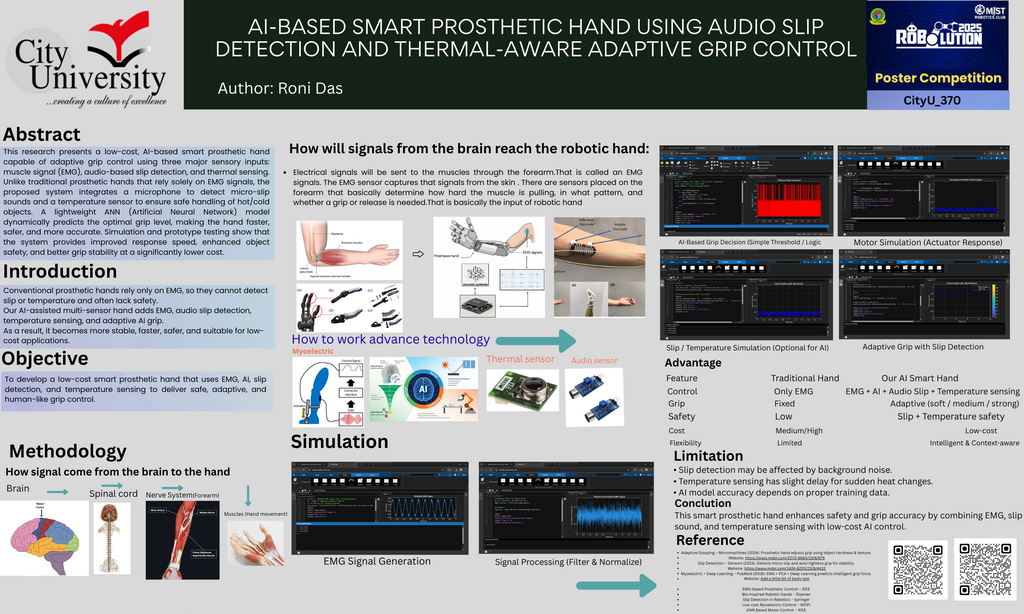
Why Looks Matter
At a busy conference, your poster is competing for attention. A wall of dense text will make people's eyes glaze over. That’s why clarity and visual appeal are critical.
A well-designed poster uses a clean layout, easy-to-read fonts, and high-quality visuals to guide the viewer. It breaks down complex ideas into understandable chunks. The goal isn't to show every single piece of data, but to highlight the most important findings in a way that is both engaging and easy to follow.
A well-designed poster should be able to stand alone, conveying the key points of your research even when you're not present to explain it.
Think of it this way: the visual design is the hook. It draws people in and makes them want to learn more about your work. A clear, visually appealing poster respects the viewer's time and makes the science more accessible.
Time to review what we've covered.
What is the primary purpose of an academic poster at a conference?
Which of these is NOT typically a standard section of an academic poster?
With these basics in mind, you can start to appreciate the role posters play in sharing knowledge.