Killer Academic Poster Presentations
Introduction to Academic Posters
More Than Just a Big Sheet of Paper
Think of an academic poster as a visual abstract of a research project. Instead of reading through pages of text, a poster boils down complex information into a digestible, graphic format. It’s a snapshot of the research, highlighting the most important questions, methods, and findings.
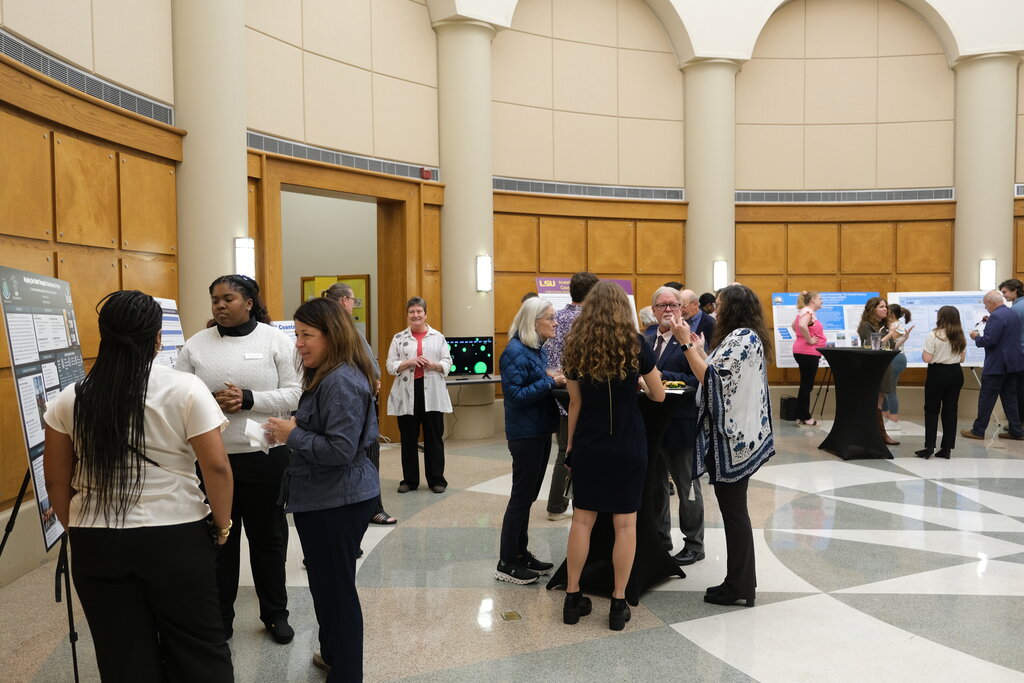
At academic conferences and seminars, you'll often find rooms filled with these posters. Researchers stand by their work, ready to chat with colleagues, answer questions, and get feedback. This setup turns a static display into a dynamic hub for conversation and networking. It's a way to share ideas with a wide range of people in a short amount of time.
A poster is a conversation starter, not a complete research paper. Its goal is to spark interest and invite discussion.
A Key Role in Research
Academic posters are a cornerstone of scholarly communication. They allow a huge amount of information to be shared in a single event. While a conference might only have a few dozen slots for oral presentations, a poster session can feature hundreds of researchers. This makes it a democratic way to share knowledge, especially for early-career researchers or those with work-in-progress.
Presenting a poster also forces researchers to distill their work to its essence. The process of deciding what to include—and what to leave out—is a valuable exercise in clarifying the core message of a project. It helps organize thoughts and pinpoints the most impactful results.
Benefits for Everyone
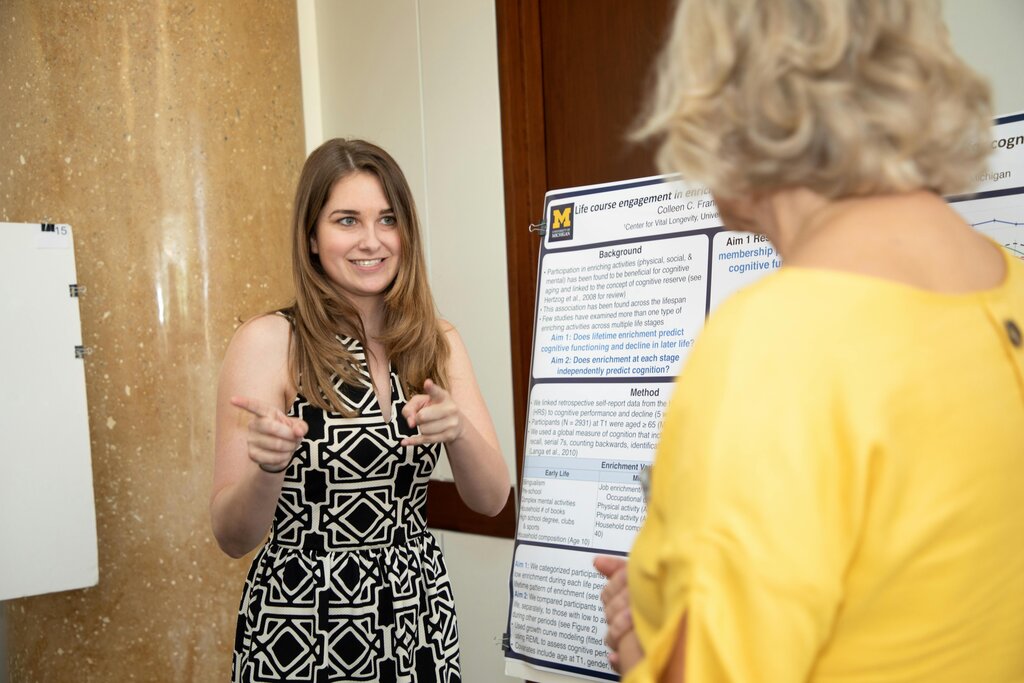
For the presenter, a poster is a fantastic way to get detailed, one-on-one feedback from experts in their field. The informal setting allows for deeper conversations than a typical Q&A after a talk. It’s an opportunity to test out new ideas and find potential collaborators.
For the audience, posters offer an efficient way to survey a lot of new research quickly. You can wander through a poster hall, scanning titles and visuals to see what catches your eye. If a topic seems relevant, you can stop, read more, and talk directly to the person who did the work. It’s a low-pressure way to absorb new information and connect with peers.
The purpose of a poster is to create discussion.
Ready to test your knowledge on the basics of academic posters? Let's see what you've learned.
An academic poster is best described as a...
True or False: Poster sessions are generally less inclusive than oral presentations because they are reserved for senior researchers.
Posters are a fundamental tool in the academic world for sharing new knowledge and sparking new ideas.