Kidneys and Heart Health
Kidney Anatomy
The Body's Filtration Plant
Tucked away on either side of your spine, just below the rib cage, are two bean-shaped organs working tirelessly: your kidneys. Each one is about the size of a fist. They're positioned behind the main organs of your abdomen, like the stomach and liver, which is why you might feel kidney pain in your back.
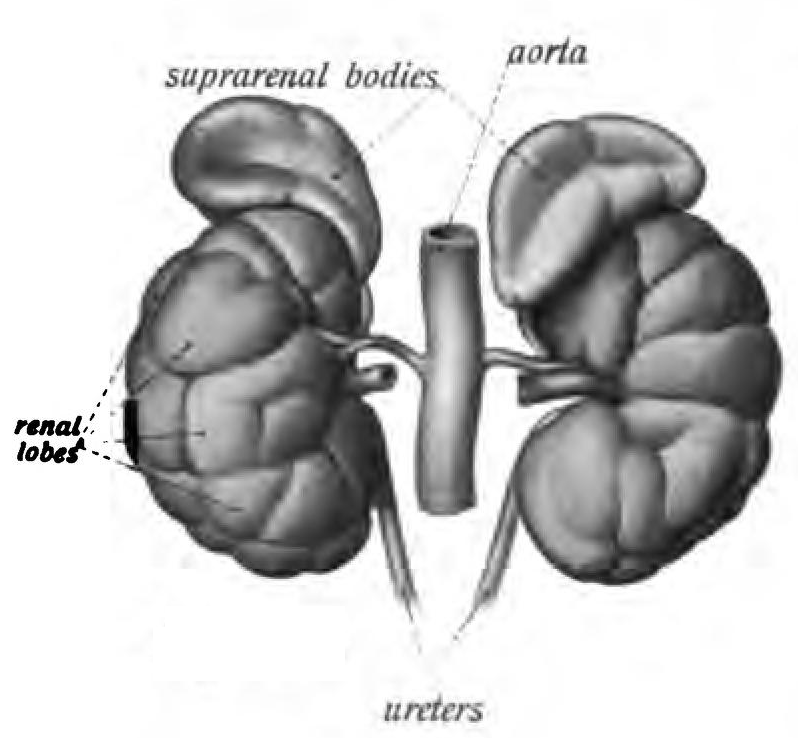
Imagine a sophisticated water filtration plant. It takes in raw water, removes impurities, and sends out clean water. Your kidneys do something similar for your blood. They are constantly filtering your entire blood supply, removing waste products and excess water to produce urine. To do this, they need a serious connection to your circulatory system.
A large blood vessel, the renal artery, brings unfiltered blood into each kidney, while the renal vein carries the newly cleaned blood away.
Inside the Kidney
If you were to slice a kidney in half, you would see three distinct regions. The outer layer is a tough, fibrous shell called the renal capsule. Just inside that is the renal cortex, which looks grainy. The innermost area is the renal medulla, which is made up of cone-shaped structures called renal pyramids.
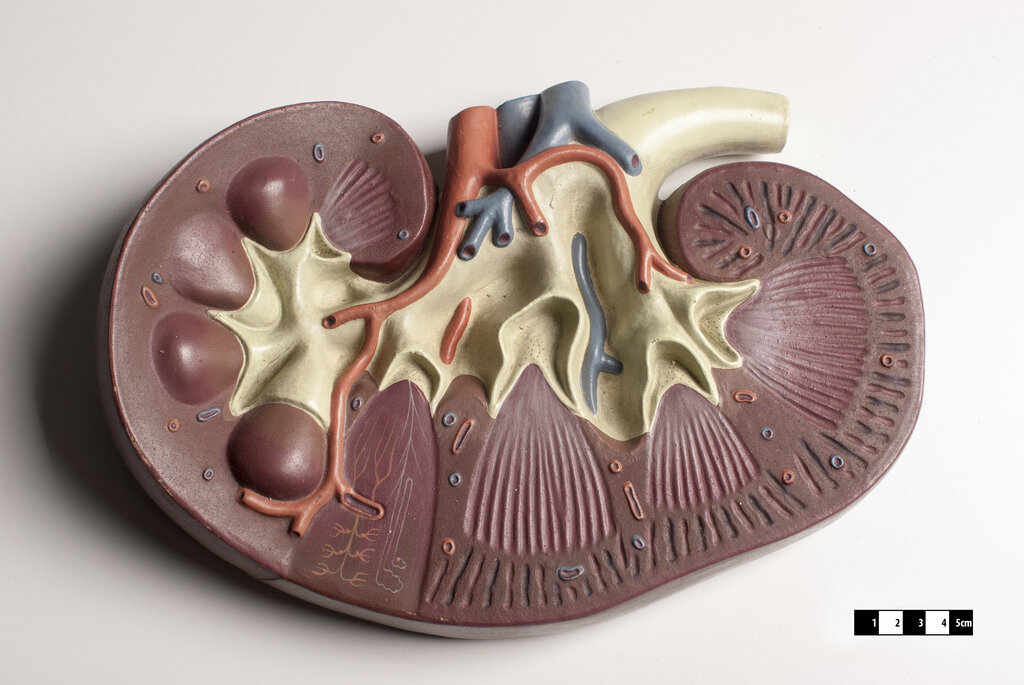
These layers aren't just for show; they house the kidney's microscopic workhorses. The real magic of filtration happens in tiny structures that span both the cortex and medulla.
The Nephron
The functional unit of the kidney is the nephron. Each kidney contains about a million of these tiny, intricate filtering tubes. You can't see them without a microscope, but they are where the heavy lifting of blood purification occurs. A nephron has two main parts: a filter and a tubule.
Blood enters the filter, called the glomerulus, under pressure. This forces water, waste, and small molecules into the tubule, leaving larger cells and proteins behind in the blood. As this filtered fluid travels through the long, winding tubule, essential substances like glucose, certain salts, and most of the water are reabsorbed back into the blood. What's left at the end is urine.
The Journey Out
The urine from millions of nephrons drains into a central collecting area in the kidney called the renal pelvis. From there, it doesn't just sit around. A narrow tube called the ureter connects each kidney's renal pelvis to the bladder.
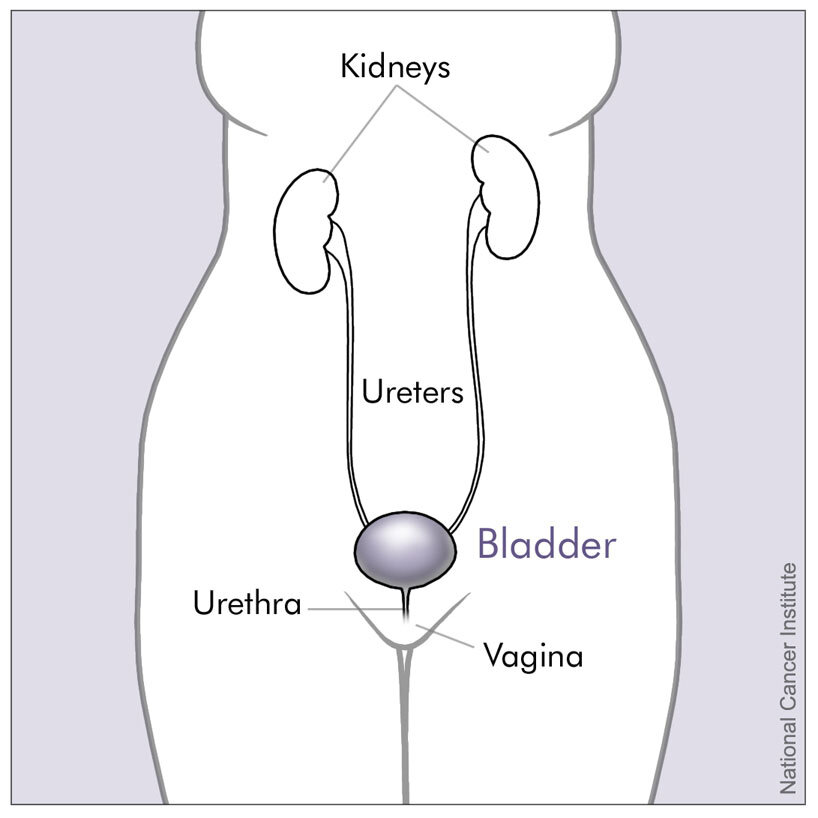
The bladder is a muscular, hollow organ that acts as a storage tank for urine. When it gets full, it sends signals to your brain, letting you know it's time to find a restroom. The anatomy of the kidneys is a perfect example of structure meeting function, with every layer, vessel, and microscopic tubule playing a precise role in keeping your body clean and balanced.
Time to check what you've learned about the kidney's anatomy.
What is the microscopic functional unit of the kidney responsible for filtering blood?
Where are the kidneys located in the body?
Understanding this physical structure is the first step to appreciating how these vital organs work.