Kidney Failure Explained
Kidney Function
The Body's Master Filter
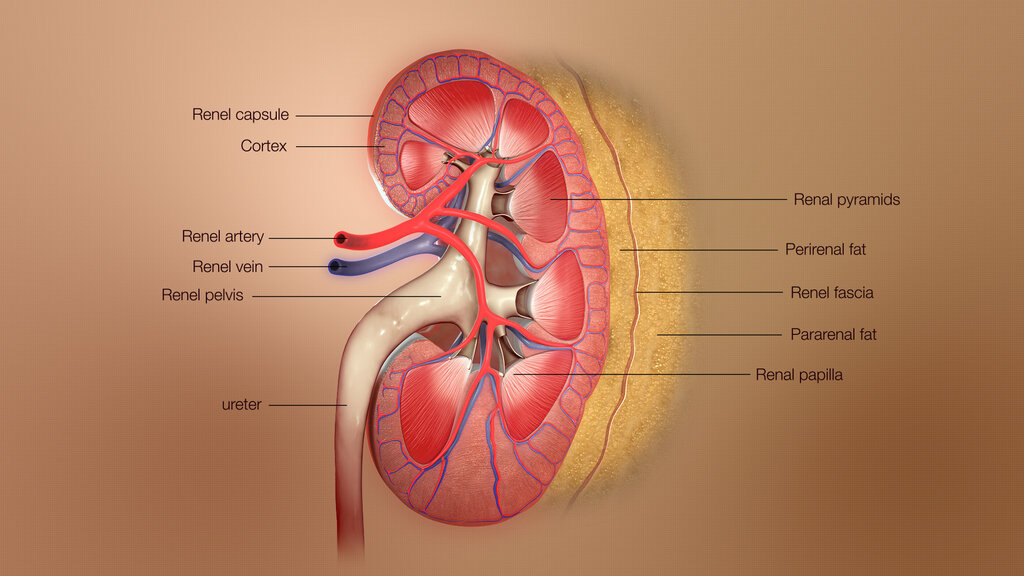
Every day, your entire blood supply cycles through your kidneys about 40 times. These two bean-shaped organs, each about the size of a fist, act as sophisticated filters. Their main job is to clean your blood, removing waste products and excess fluid, which then become urine.
As your body's cells work, they produce metabolic wastes like urea. If these substances build up, they become toxic. The kidneys ensure this doesn't happen. Blood enters the kidney through the renal artery, passes through millions of tiny filtering units called nephrons, and then the clean blood returns to circulation through the renal vein.
A Delicate Balancing Act
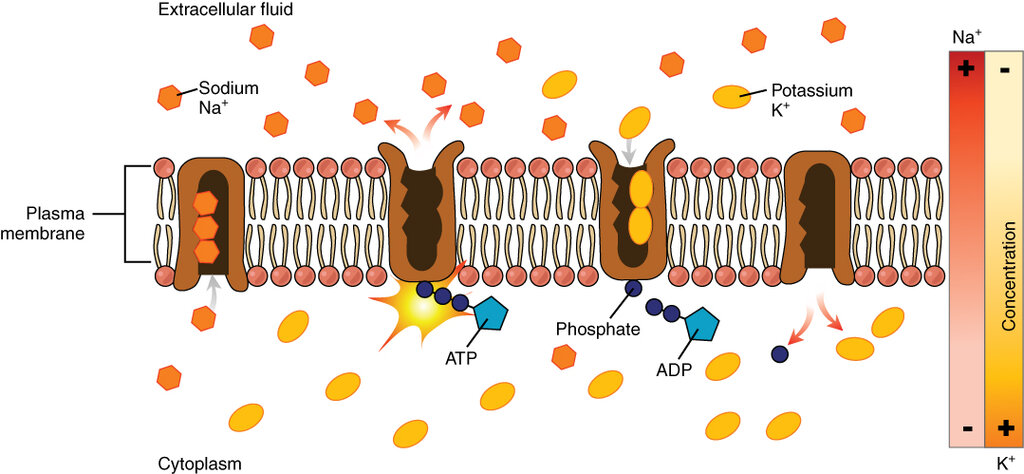
Filtering waste is only part of the story. Kidneys are also crucial for maintaining the body's overall fluid and chemical balance, a state known as homeostasis. They meticulously regulate the levels of water and vital minerals, or electrolytes, in your blood.
Electrolyte
noun
A mineral in your body that has an electric charge. Electrolytes are essential for functions like nerve impulses, muscle contractions, and hydration.
Think of it like tending to a houseplant. Too little water, and it wilts; too much, and its roots rot. Your body is similar. Kidneys adjust how much water is excreted to keep you properly hydrated. They also control levels of sodium, potassium, and calcium. This balance is critical, as even small changes can affect everything from your heartbeat to muscle function.
The Hormone Factory
Beyond filtering and balancing, the kidneys are also endocrine organs, meaning they produce hormones that send signals throughout the body.
Your kidneys produce hormones that regulate your blood pressure and help your body make red blood cells.
One key hormone is renin, which triggers a chain reaction to help regulate blood pressure. Another is erythropoietin (EPO), which signals the bone marrow to create more red blood cells, ensuring your body gets the oxygen it needs. Finally, the kidneys produce calcitriol, the active form of vitamin D. This hormone helps your body absorb calcium from food, which is essential for strong bones.
These three functions—filtration, balance, and hormone production—make the kidneys indispensable for your overall health. Now, let's review what you've learned.
What is the primary function of the kidneys?
The microscopic filtering units within the kidneys are called __________.