Kidney Failure Explained
Kidney Function
The Body's Master Filter
Tucked away on either side of your spine, just below your rib cage, are two bean-shaped organs, each about the size of a fist. These are your kidneys, and they are powerhouse chemical factories that perform several vital functions.
Their most famous job is filtration. Your kidneys process about 150 quarts of blood every day. As blood flows through them, they sift out waste products, like urea from protein breakdown, and remove excess fluid from your body. This waste and extra water become urine, which flows to your bladder and is then eliminated.
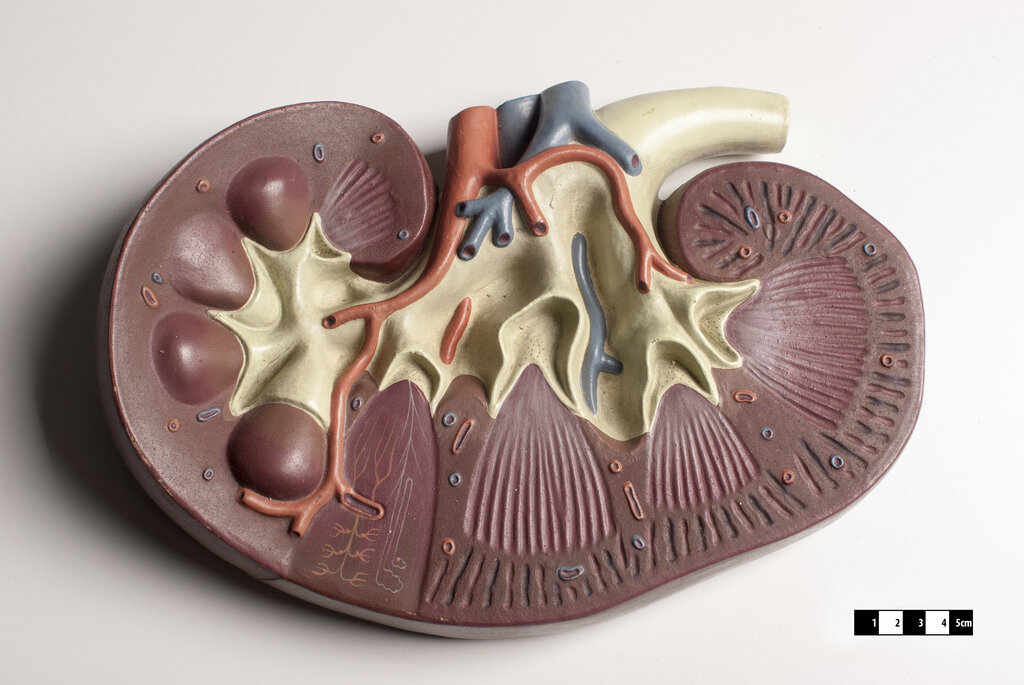
This filtering process keeps your blood clean and chemically balanced. Without your kidneys, waste would build up to harmful levels, and your body would swell with excess fluid. But their role goes far beyond simple waste removal.
Balancing and Regulating
Your body's internal environment must be kept stable, a state known as homeostasis. The kidneys are central players in this balancing act. One of their key roles is regulating electrolytes—minerals in your body that have an electric charge.
electrolyte
noun
A mineral in your body that has an electric charge. They are in your blood, urine, tissues, and other body fluids. Examples include sodium, calcium, potassium, and magnesium.
Electrolytes are essential for everything from nerve signals to muscle contractions. Your heart couldn't beat without them. The kidneys meticulously manage the levels of these minerals, retaining what you need and excreting any excess in the urine.
The kidneys also regulate blood pressure. When your blood pressure drops, the kidneys release an enzyme called renin. Renin triggers a series of chemical reactions that constrict your blood vessels and increase sodium and water retention, which raises your blood pressure back to a normal level.
The Hormone Factory
Beyond renin, your kidneys produce other crucial hormones. One of these is erythropoietin, often called EPO. This hormone is a messenger that tells your bone marrow to produce more red blood cells. When your kidneys sense that the oxygen level in your blood is low, they ramp up EPO production. More red blood cells mean more oxygen can be carried throughout your body.
Another vital function is related to bone health. The kidneys convert Vitamin D from supplements or sun exposure into its active form. Your body needs this active Vitamin D to absorb calcium and phosphorus from the food you eat. Without it, your bones can become weak and brittle. This is why kidney health is directly linked to the strength of your skeleton.
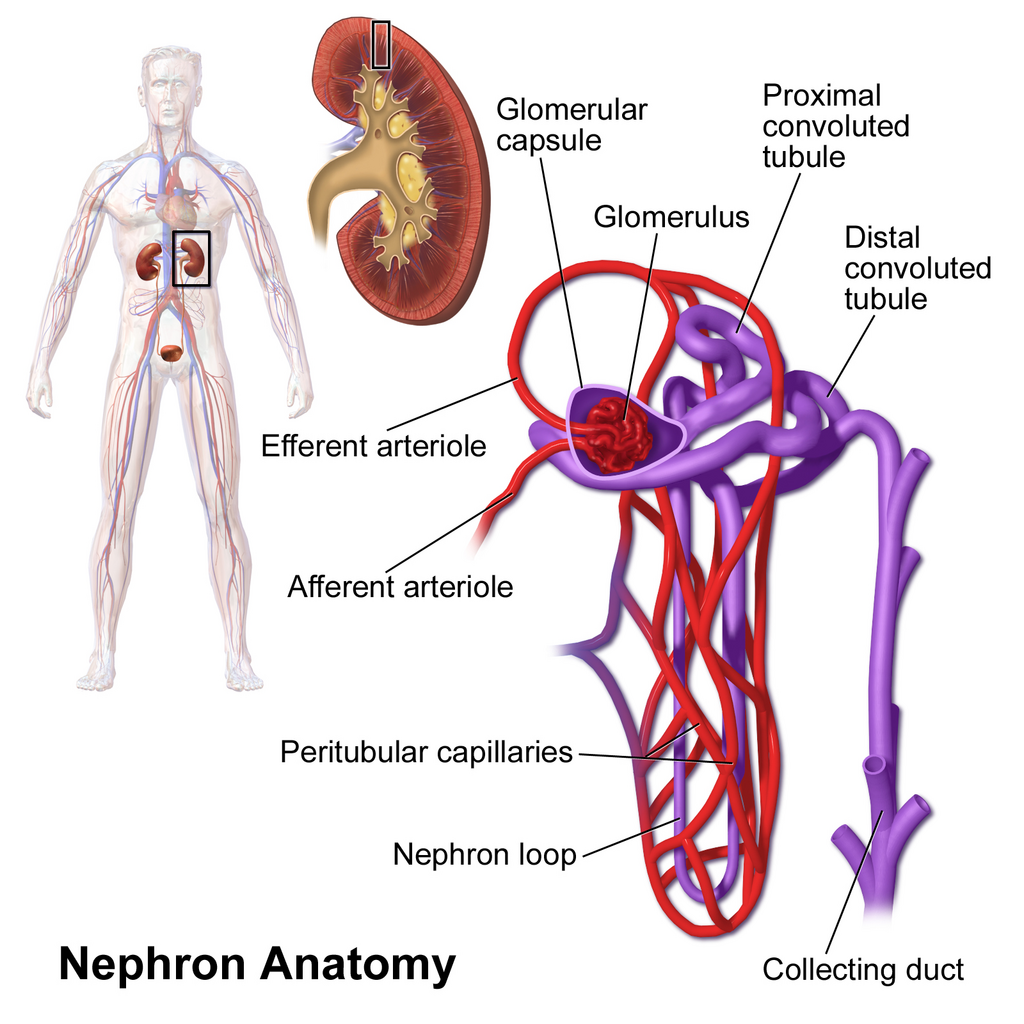
From cleaning your blood to managing blood pressure, making red blood cells, and keeping your bones strong, the kidneys are multitasking masters that are essential for your overall health.
Let's test your knowledge on these vital functions.
What is the primary and most well-known function of the kidneys?
When the kidneys detect low oxygen levels in the blood, they release a hormone that signals the bone marrow to produce more red blood cells. What is this hormone called?
You've learned about the many hats the kidneys wear. They are sophisticated organs that keep your body's internal chemistry in perfect harmony.