Keyword Research for SEO and Paid Ads
Introduction to Keyword Research
What Is Keyword Research?
Keyword research is the process of finding the words and phrases that people type into search engines like Google. It’s less about complex data and more about understanding human curiosity. What are people looking for? What questions do they have? What language do they use to ask them?
Think of it this way: if your website is a store, keywords are the signs that guide customers to the right aisles. Without the right signs, potential customers might walk right past what they need.
The goal is to create a list of terms that are relevant to your business, product, or topic. This list becomes the blueprint for your entire online strategy, guiding everything from the articles you write to the ads you run.
Keywords are the foundation of SEO.
Organic vs. Paid Search
When you search for something, the results page is split into two main types: organic and paid. Keyword research is crucial for both, but it's applied differently.
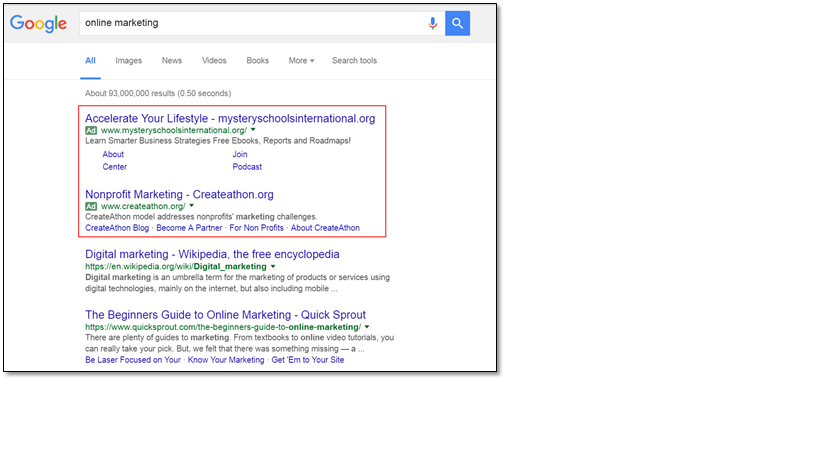
Organic search results are the unpaid listings that search engines rank based on relevance and quality. You can't pay to be here. You earn your spot by creating valuable content that directly addresses what people are searching for. This is often called Search Engine Optimization, or SEO.
Paid search results are the advertisements that appear at the top or side of the results page. Businesses pay to have their links show up when someone searches for a specific keyword. This is often called Pay-Per-Click, or PPC, because you typically pay a fee every time someone clicks on your ad.
| Feature | Organic Search (SEO) | Paid Search (PPC) |
|---|---|---|
| Cost | Free (but requires time and effort) | Pay per click |
| Placement | Main results section | Top or side ad sections |
| Timeframe | Takes time to build authority | Immediate results |
| Goal | Build long-term trust and traffic | Drive targeted traffic quickly |
Putting Keywords to Work
So how does a list of keywords translate into a strategy? It's all about matching your content to the user's intent—the why behind their search.
For organic SEO, you use keywords to guide your content creation. If you discover people are searching for "how to fix a leaky faucet," you can write a blog post or create a video with that exact title. You're directly answering a question your audience is asking.
For paid search (PPC), you select specific keywords to bid on. If you sell plumbing supplies, you might bid on the keyword "buy faucet repair kit." This puts your ad in front of people who aren't just looking for information; they're looking to make a purchase. You're targeting users with clear commercial intent.
By conducting thorough keyword research upfront, you will be able to discover valuable insights such as popular search terms used by customers, high-converting long-tail keywords, and competitor’s strategies, which in turn may help inform decisions around ad campaigns, ad copywriting, or budget allocation for different campaigns/keywords.
In both cases, the principle is the same. Good keyword research ensures you're not just creating content or ads blindly. You're creating them with a deep understanding of what your audience wants, in the exact language they use to ask for it.
What is the primary goal of keyword research?
In the context of search results, 'organic' listings are the ones you earn by creating high-quality, relevant content.