Keynesian Economics Explained
Historical Context
A World in Crisis
Before the 1930s, most economists held a similar view of how economies worked. They believed in what's now called classical economics. The core idea was simple: markets are self-correcting. If there was a downturn and people lost their jobs, wages would fall, businesses would hire more workers, and things would bounce back to normal.
This was based on a concept known as Say's Law, which states that supply creates its own demand. The act of producing goods generates enough income to buy those goods. In this view, a widespread, long-lasting economic slump was impossible. A temporary dip, maybe, but the system would always find its way back to full employment on its own.
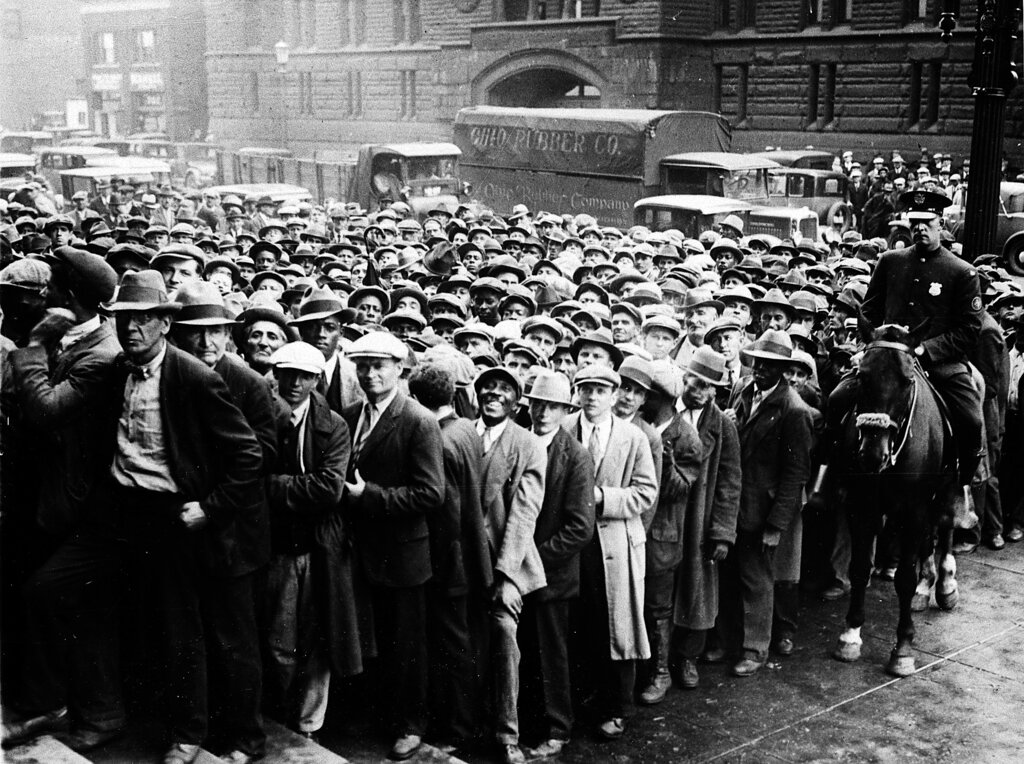
Then came the Great Depression. The global economy collapsed. Unemployment skyrocketed, not for a few months, but for years. In the United States, unemployment reached nearly 25%. People weren't buying, so businesses weren't producing. And because businesses weren't producing, people didn't have jobs. The self-correcting mechanism had broken down completely. Classical theory had no answer for a crisis of this scale and duration. The old ideas were failing millions of people.
A New Way of Thinking
Into this intellectual vacuum stepped John Maynard Keynes, a British economist. Keynes looked at the world around him and saw that classical economics didn't match reality. He argued that the fundamental problem wasn't on the supply side, but on the demand side. The economy wasn't suffering because it couldn't produce enough; it was suffering because people and businesses weren't spending enough.
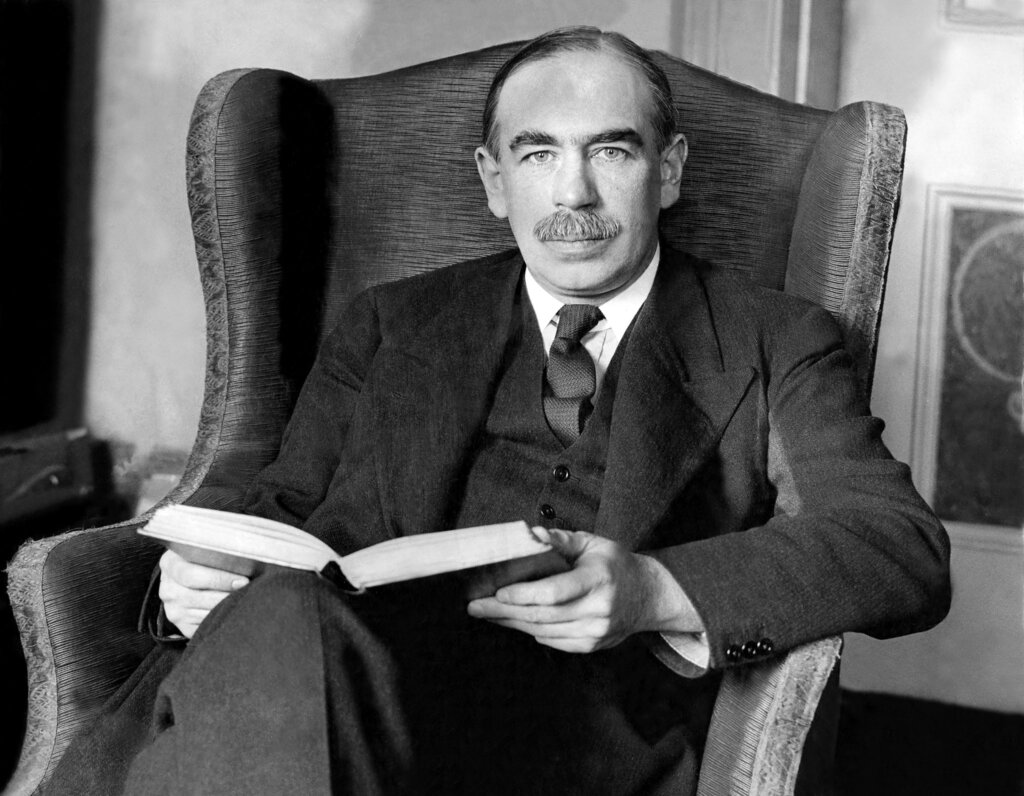
Keynes proposed a revolutionary idea: economies could get stuck in a rut. It was entirely possible for an economy to settle into an equilibrium with high unemployment and low output. Wages and prices weren't as flexible as classical economists believed. He argued that waiting for the market to fix itself could take a painfully long time. During that time, people suffered.
The General Theory
In 1936, Keynes published his most important work, The General Theory of Employment, Interest and Money. This book turned economics on its head. It laid the foundation for what we now call macroeconomics, the study of the economy as a whole.
The central message of The General Theory was that aggregate demand, the total spending in an economy, is the primary driver of economic activity and employment.
Keynes argued that when demand from households and businesses falls short, the government has a role to play. By increasing its own spending, the government could boost overall demand, encourage production, and help pull the economy out of a slump. This was a radical departure from the classical view, which advocated for minimal government intervention.
His work didn't just offer an explanation for the Great Depression; it provided a blueprint for how to fight it. Keynes gave policymakers a new set of tools and a new way to think about their role in managing the economy.
Let's review the key ideas from this period that set the stage for a new economic theory.
What was the central belief of classical economics before the Great Depression?
Which concept, central to classical economics, states that producing goods generates enough income to purchase those goods?
The crisis of the Great Depression forced a major rethinking of economic principles, paving the way for ideas that continue to influence policy today.