Key Tag Design Fundamentals
Introduction to Key Tags
More Than Just a Tag
A key tag is a small identifier attached to a keyring. Its most basic job is to help you figure out which key is which. Think of the plastic tag from the auto shop with your car model written on it, or a simple label for your house key versus your office key. But their function goes far beyond simple identification.
These small items are powerful tools for businesses. They can serve as membership cards, loyalty program identifiers, or even security passes. By attaching a brand's logo or message to something people carry daily, key tags become a constant, subtle marketing tool.
Design and branding is a key step in making your products attractive for the customer
Types of Key Tags
Key tags come in a few common forms, each suited for different purposes. The material and technology used determine how they look, feel, and function.
Plastic Tags These are the most common type. They're lightweight, inexpensive to produce, and can be printed in vibrant colors with detailed logos and information. You've likely seen them as loyalty cards for grocery stores, membership tags for gyms, or even as library cards.
Metal Tags For a more durable and premium feel, companies opt for metal. These tags are often engraved or stamped, giving them a professional, lasting appearance. They're popular for corporate gifts, car dealership promotions, and pet ID tags, where longevity is key.

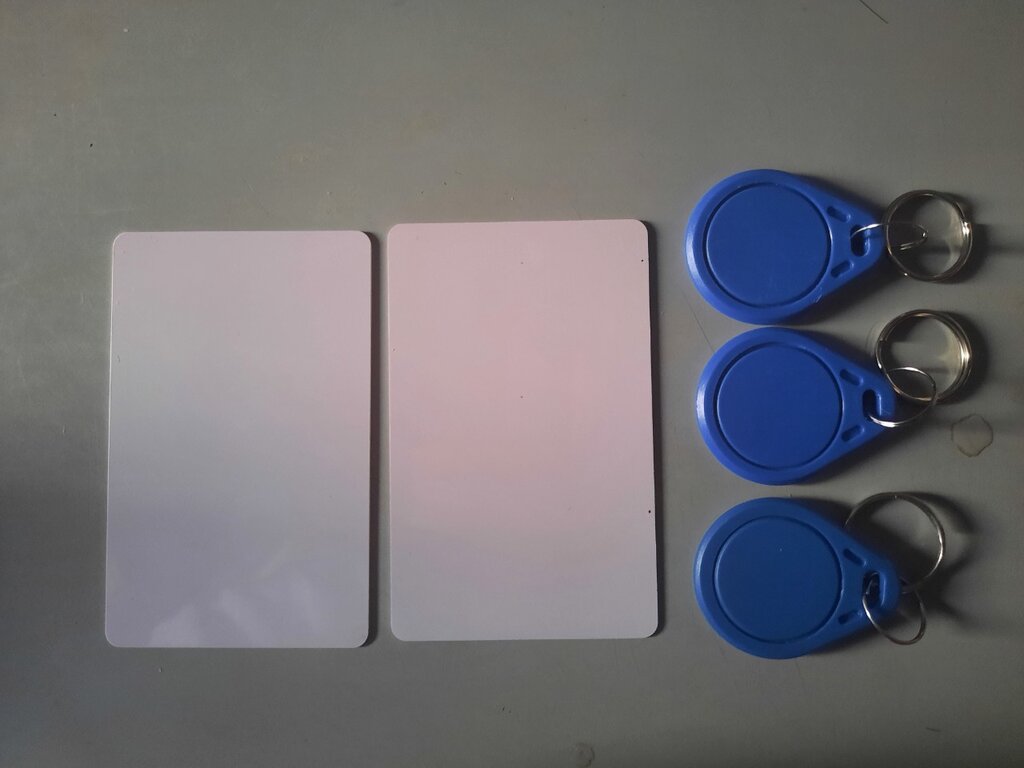
Electronic Tags These are the high-tech cousins in the key tag family. Electronic tags contain a microchip and antenna, using technologies like RFID (Radio-Frequency Identification) or NFC (Near Field Communication). Instead of just being looked at, they are scanned. These are commonly used as access fobs to get into office buildings or apartment complexes.
Key Tags in Action
Different industries use key tags in clever ways to improve operations and connect with customers.
In retail, key tags are the backbone of many loyalty programs. A quick scan of your tag at checkout links your purchase to your account, unlocking discounts and earning points. This not only rewards repeat customers but also provides the business with valuable data on buying habits.
The hospitality industry relies on them for room access. While traditional metal keys still exist, most hotels now use electronic key cards or fobs. They're easy to program for specific rooms and times, enhancing security and convenience for guests.
In security, electronic key tags are essential. They provide a simple, trackable way to manage access to secure areas, replacing traditional locks and keys that are harder to control.
Finally, as a marketing tool, their value is simple: visibility. A well-designed key tag keeps a brand in a customer's pocket or purse. It's a miniature billboard that travels everywhere the customer goes, reinforcing brand recognition with every use.
Offering personalized mementos such as custom name tags, engraved keychains, or monogrammed notebooks can instantly make attendees feel valued and acknowledged.
Ready to check your understanding?
What is the most basic function of a key tag?
Which type of key tag contains a microchip and uses technology like RFID or NFC?
From simple plastic identifiers to smart electronic fobs, key tags are versatile tools that help organize our lives and connect us with the brands we use.