Karen Villages and Chai Lai Orchid Chiang Mai
Karen History
Distant Origins
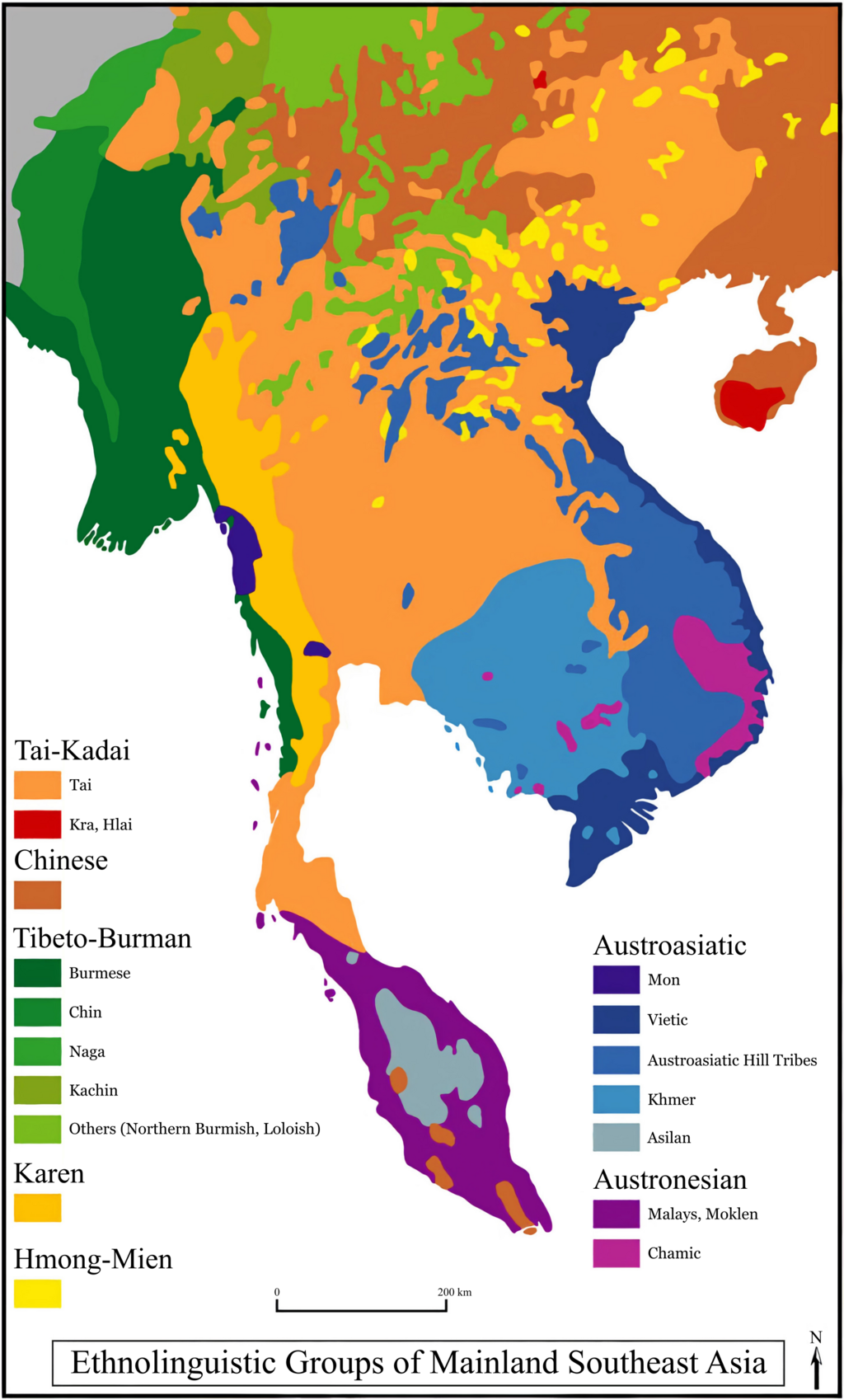
The story of the Karen people begins long ago, not in the mountains of Thailand or Myanmar, but much farther north. Most historians and linguists agree their ancestors originated somewhere in the vast expanse of the Gobi Desert, or perhaps on the Tibetan plateau. They are part of the Tibeto-Burman language family, a connection that ties them to peoples across a huge swath of Asia.
Their journey south wasn't a single, organized march. Instead, it was a slow, multigenerational drift that unfolded over centuries. Think of it less like a road trip and more like a river slowly finding its path, with groups branching off, settling for a time, and then moving on again. This gradual movement brought them down through China and into the lands that would eventually become Myanmar.
The Move into Thailand
For centuries, the majority of Karen people lived in the hilly eastern regions of what is now Myanmar. Their migration into neighboring Thailand happened in several waves, often driven by turmoil and the search for safety.
The most significant movements began in the 18th century and have continued into modern times. The primary catalyst was conflict. As kingdoms rose and fell, and later, as civil war erupted in Myanmar following its independence in 1948, Karen communities were often caught in the crossfire. Political instability, persecution, and lack of economic opportunity acted as powerful push factors, compelling many to cross the border into Thailand in search of peace and a stable life.
Building a New Home
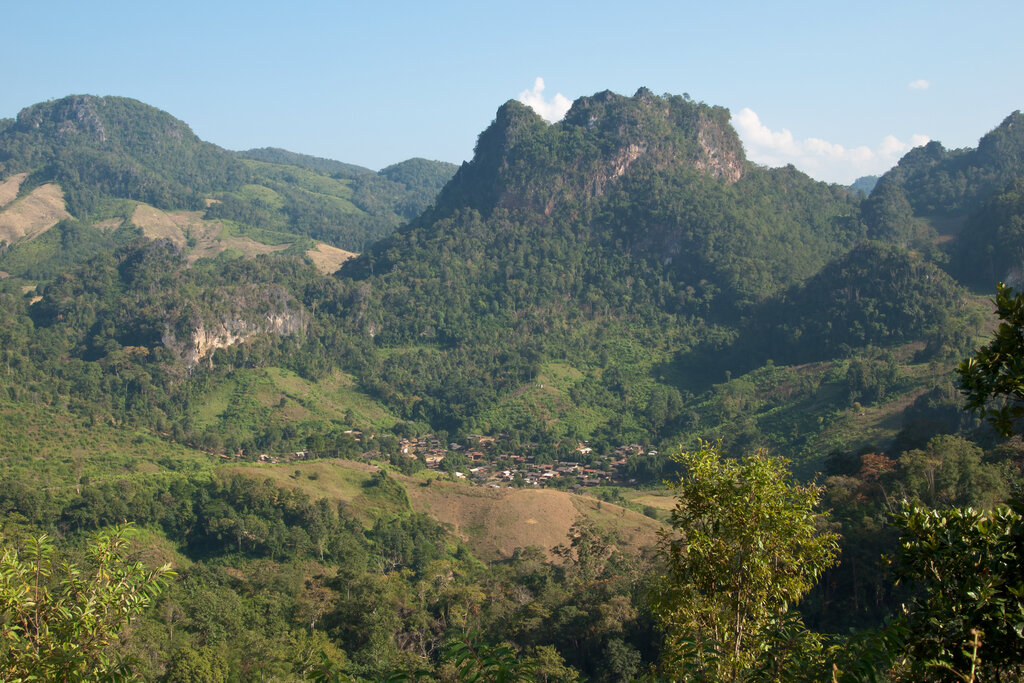
Upon arriving in northern Thailand, particularly in provinces like Chiang Mai and Mae Hong Son, Karen migrants sought out environments similar to their ancestral lands. They established their villages in the highlands, often in remote, forested areas that offered a degree of isolation and the resources they needed to survive.
This new setting required adaptation. The Karen are skilled farmers, and they brought with them a deep knowledge of subsistence agriculture. In the mountains of northern Thailand, they developed a system of rotational farming, or swidden agriculture, that was suited to the steep terrain. They cleared small plots of land to grow rice and vegetables, moving to a new plot after a few years to allow the forest to regenerate. This method, practiced for generations, allowed them to live sustainably in their new environment.
Over time, these settlements grew from small refugee clusters into established villages, each with its own unique history and relationship with the surrounding landscape and other local communities.

Let's review some of the key ideas from the history of the Karen people's migration.
Now, check your understanding of the key historical points.
According to most historians and linguists, where did the ancestors of the Karen people originate before their long migration south?
What was the main reason for the large-scale migration of Karen people from Myanmar into Thailand beginning in the 18th century?
From their ancient origins to the establishment of communities in Thailand, the Karen people's history is a long story of movement and adaptation.