Kapil Gupta: Marriage, Parenting, Career
Corporate Truth
The Corporate Arena
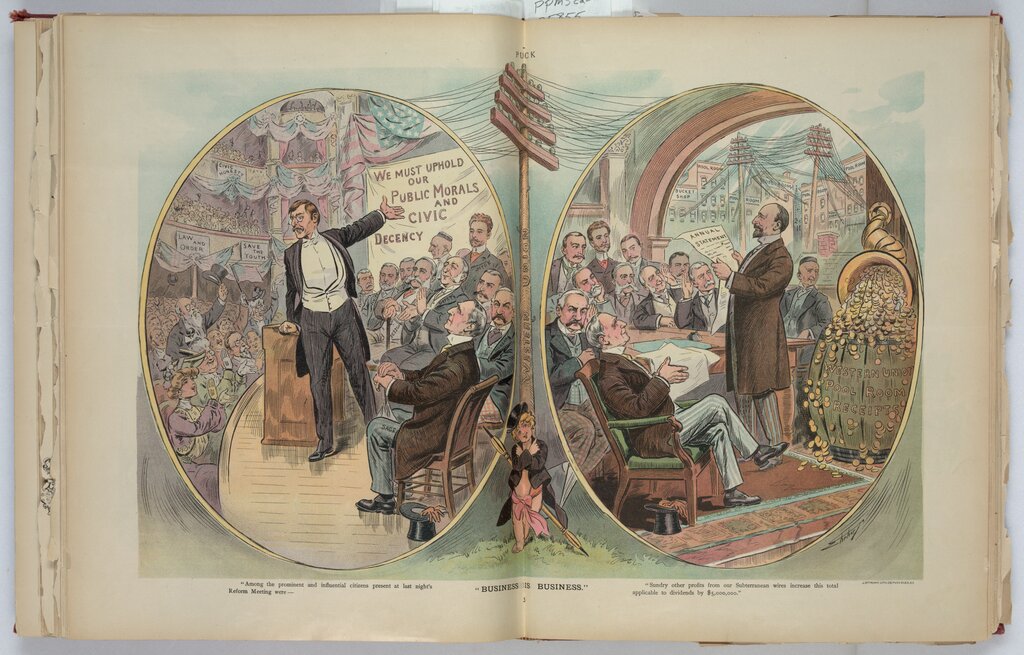
The professional world is a stage. From the moment you walk into the office, you are part of a complex performance. There are scripts to follow, roles to play, and masks to wear. The corporate hierarchy isn't a meritocratic ladder as much as it is a series of transactional relationships. Your boss isn't necessarily your mentor; they are a person with their own needs and pressures. Your subordinates are not your disciples; they are navigating their own paths.
Most professionals spend their careers trying to master this game. They attend seminars, read books on management, and learn how to 'lead' their teams. They strive for external validation—a promotion, a title, a corner office. But this is a chase with no end. The desire to become a leader is a trap. It places the source of power and effectiveness outside of yourself.
The End of Leadership
True leadership is not a skill to be learned. It is not a 5-step plan or a certificate from a weekend conference. It is a byproduct of something much deeper: Self-Leadership. This is the state of having an uncompromised internal center. A person who leads themself is not swayed by the opinions of superiors or the reactions of subordinates. Their actions arise from a place of internal clarity, not from a need to please or control.
When you have this clarity, you begin to see through the showmanship of professional life. The jargon-filled meetings, the PowerPoints, the forced team-building exercises—they all appear as the theater they are. You see that much of what passes for 'work' is just noise. Even well-intentioned tools like often focus on modifying behavior, which is like polishing the mask instead of seeing the face behind it.
Effectiveness comes not from following a plan, but from an internal state that makes your decisions a direct reflection of your own centered truth.
The Nature of Pressure
Professionals love to talk about pressure. The pressure to hit targets, the pressure to innovate, the pressure to climb the ladder. They see it as an external force to be managed with time management hacks and stress-reduction techniques. But pressure is not external. It is the rattling of your own internal wires.
Each of these 'wires' is an attachment you hold. An attachment to a certain outcome, like landing a big account. An attachment to a self-image, like being seen as the smartest person in the room. An attachment to a timeline, like being promoted to Vice President by age 40. The corporate environment doesn't create these attachments; it just provides a convenient billboard on which to project them. When an outcome is threatened, the wire is pulled, and you feel 'pressure'.
Viewing pressure this way transforms the problem. It is no longer about managing an external world that won't cooperate. It is about examining the that make you vulnerable to it. The goal is not to become better at handling pressure. The goal is to become someone for whom the pressure does not exist, because the attachments are no longer there.
This is why attempts at behavior modification are largely futile. Telling a manager to 'be a better listener' or to 'give more constructive feedback' addresses the symptom, not the cause. A manager who is insecure will always act from that insecurity, no matter how many communication frameworks they learn. The only path to genuine change is not through adding new behaviors, but through a serious examination of the internal state that produces them in the first place.
When you stop trying to play the game and instead focus on your own internal clarity, the game itself becomes irrelevant. Your effectiveness is no longer tied to your title or your influence. It becomes an extension of who you are. This is the only form of leadership that has any real power.