Kant's Philosophical Foundations
Kant's Life and Context
A Quiet Life in a Changing World
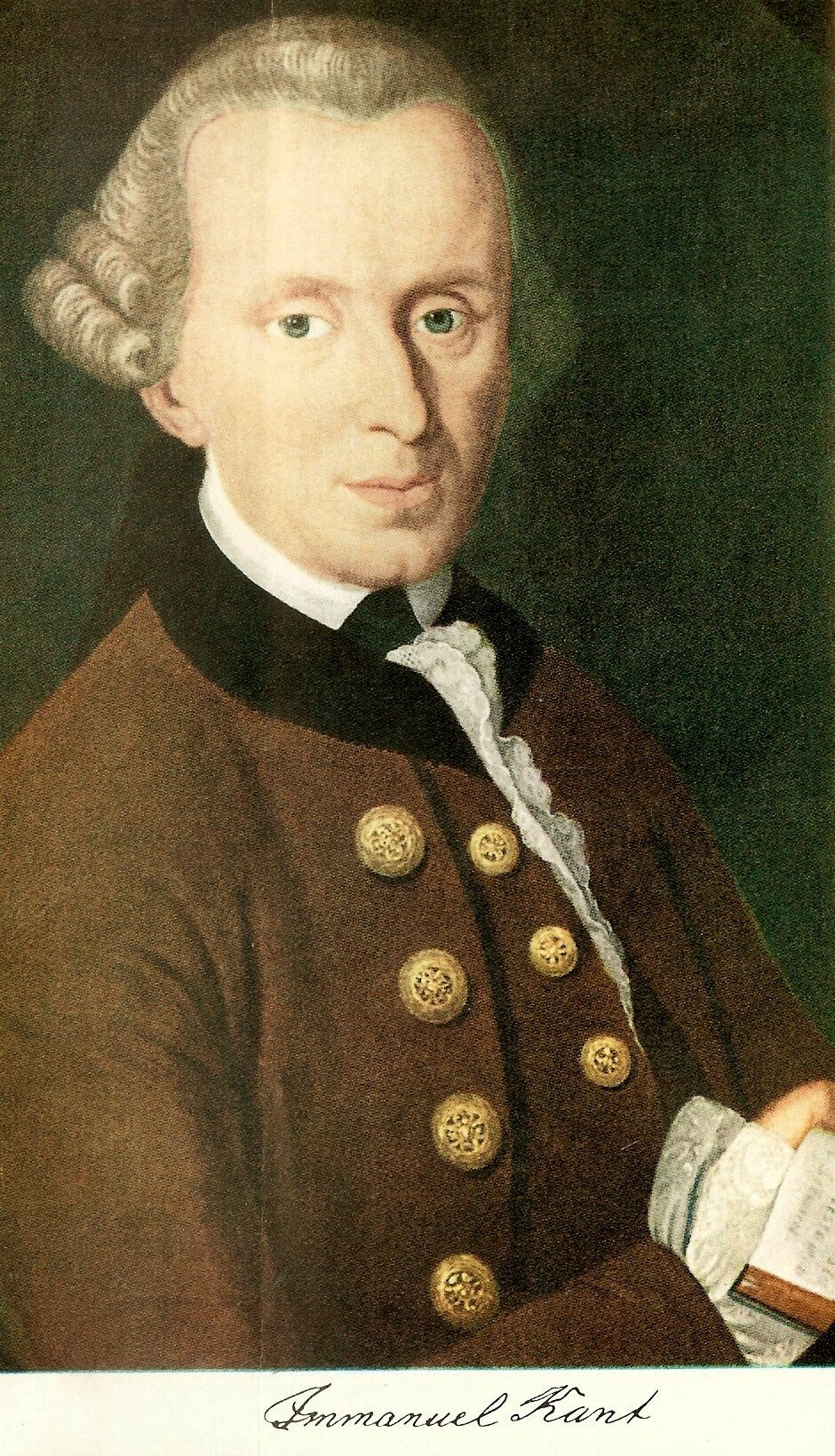
Immanuel Kant lived a remarkably quiet and disciplined life. Born in 1724 in the Prussian city of Königsberg (now Kaliningrad, Russia), he almost never left his hometown. The stories of his daily routine are legendary. His neighbors could supposedly set their watches by his afternoon walks.
Kant came from a modest family. His father was a harness maker, and his parents' Pietist faith, a Lutheran sect emphasizing personal devotion, instilled in him a strong sense of duty and moral seriousness. Despite his humble beginnings, his intellectual gifts were recognized early, and he spent his career at the local university, first as a student, then a tutor, and finally as a full professor.
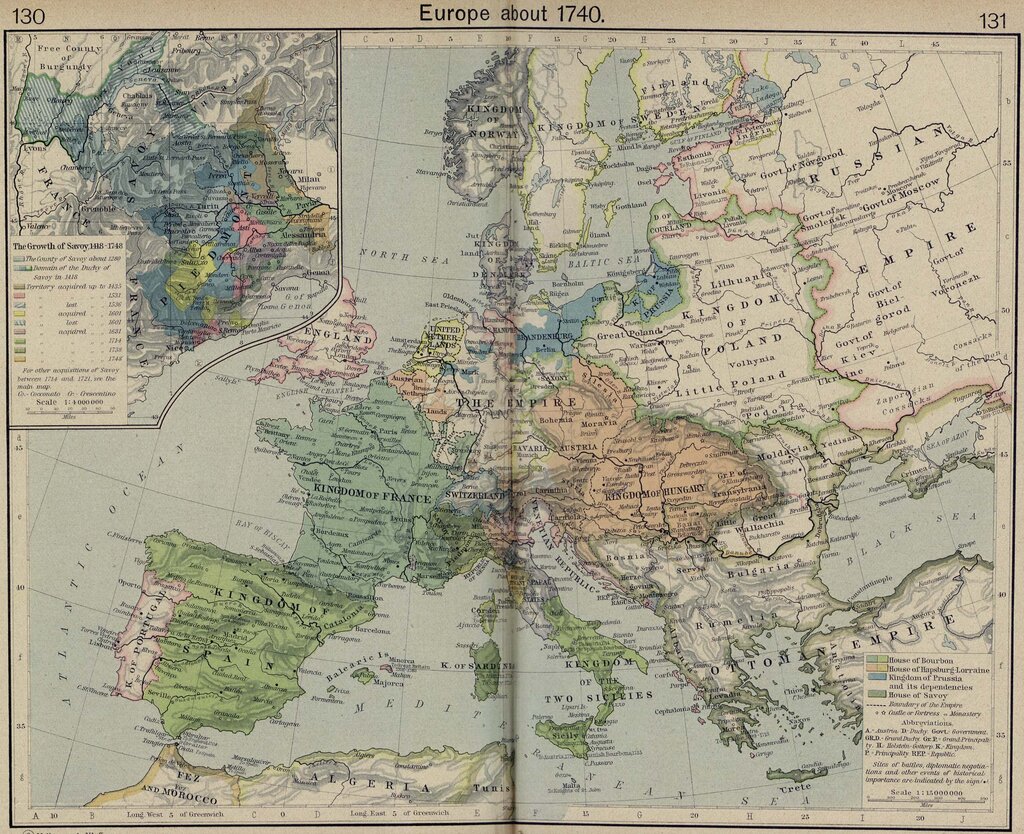
But this quiet, predictable life was set against a backdrop of immense intellectual and social change. Kant lived and wrote during the height of the Enlightenment, a period when thinkers across Europe were questioning everything about the world. Prussia itself was a rising power under Frederick the Great, a monarch who saw himself as an “enlightened despot” and fostered an environment of relative intellectual freedom.
The Age of Reason
The Enlightenment was a powerful intellectual movement that swept across Europe in the 17th and 18th centuries. Its core idea was that reason is the primary source of authority and legitimacy. Thinkers like Voltaire, Rousseau, and Adam Smith championed ideals like liberty, progress, and the separation of church and state. They believed that humanity could improve itself through rational change, casting off the chains of tradition and superstition.
Kant was a central figure in this movement. He famously defined its spirit with the Latin phrase Sapere aude!
Sapere aude! Have courage to use your own reason! That is the motto of enlightenment.
This wasn't just an abstract idea. It was a call to action, urging people to think for themselves rather than blindly accepting what they were told by authorities. This intellectual climate of questioning and discovery formed the very air Kant breathed.
The Philosophical Battlefield
Before Kant, philosophy was largely stuck in a major debate between two opposing camps: the rationalists and the empiricists.
Rationalists, like René Descartes in France and Gottfried Leibniz in Germany, argued that the ultimate source of knowledge is reason. They believed we are born with certain innate ideas, and that we can understand the world just by thinking about it logically, much like solving a math problem.
Empiricists, like John Locke and David Hume in Britain, took the opposite view. They argued that all knowledge comes from sensory experience. For them, the mind at birth is a tabula rasa, or a blank slate. We learn about the world by seeing, hearing, and touching it, not through pure reason.
| Philosophical School | Core Belief | Key Thinkers |
|---|---|---|
| Rationalism | Knowledge comes from pure reason and innate ideas. | Descartes, Spinoza, Leibniz |
| Empiricism | Knowledge comes from sensory experience. | Locke, Berkeley, Hume |
This conflict created a major problem. Rationalism seemed to lead to dogmatic claims about reality that couldn't be proven, while empiricism, when taken to its logical extreme by Hume, suggested we couldn't be certain about anything, even basic concepts like cause and effect.
Philosophy had reached a stalemate. It was into this intellectual deadlock that Kant stepped, ready to propose a revolutionary new path forward.