Kansas OFPM Construction Manual Compliance
Professional Service Selection
Selecting Your Design Team
When Kansas embarks on a state-funded construction project, it can't just hire the first architect or engineer it finds. The process is governed by state law to ensure fairness, transparency, and quality. The path to selecting a firm depends almost entirely on the project's budget.
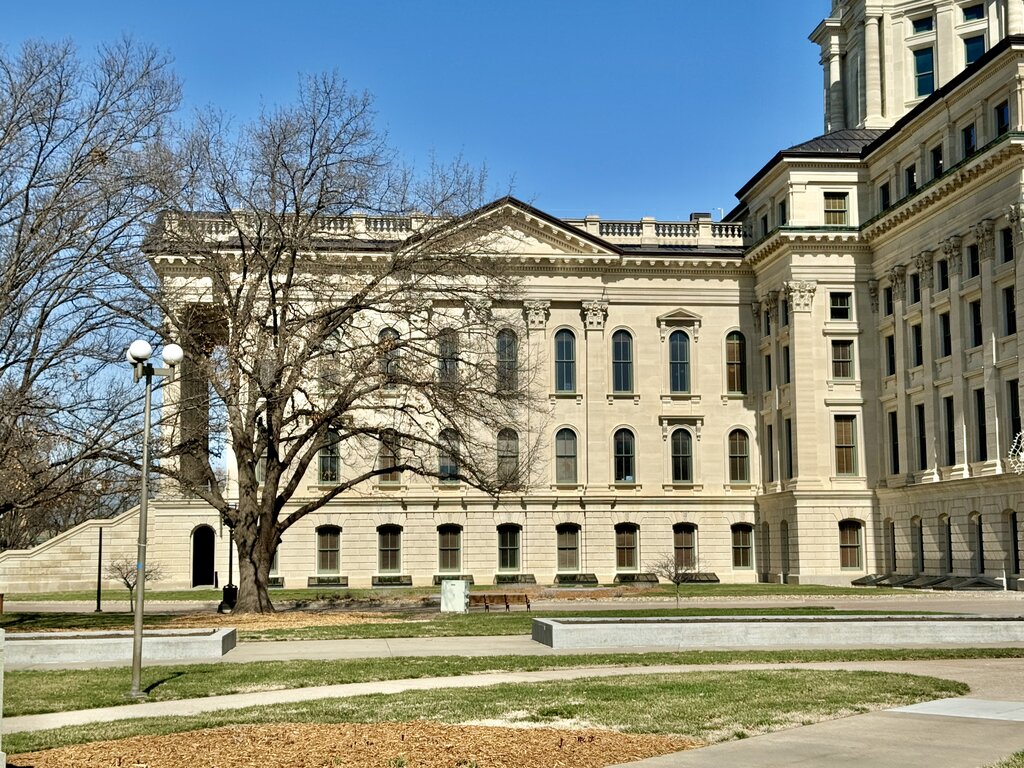
Projects are split into two main categories. If the estimated construction cost is over $1,000,000, it's considered a 'Large Project.' These fall under the direct oversight of the State Building Advisory Commission (SBAC). Projects below this threshold are typically handled through a more streamlined 'On-Call' system. Let's break down the formal process for large projects first.
The Large Project Path
For any project exceeding the million-dollar mark, the journey begins with a public announcement. The Office of Facilities and Property Management (OFPM) is legally required to advertise the project. This notice must be published in the official state newspaper, the , to ensure all interested and qualified firms are aware of the opportunity. This isn't just a suggestion; it's a mandate for open competition.
Once the advertisement is out, a special Negotiating Committee is formed for that specific project. According to statute K.S.A. 75-1251, this committee has a defined structure. It's chaired by the Secretary of Administration (or their designee) and includes the head of the agency undertaking the project, plus a representative from the OFPM who is an architect or engineer. This structure ensures that both the administrative and practical needs of the project are represented from the very beginning.
The goal of the committee isn't to pick the cheapest firm, but the most qualified one for the specific job.
Interested firms respond to the advertisement by submitting Form 050, 'Statement of Professional Qualifications.' This standardized document details their experience, personnel, and past performance. The Negotiating Committee reviews these submissions and creates a shortlist of the most qualified candidates. They must nominate at least three firms for the interview stage, assuming at least three have applied.
After conducting interviews, the committee ranks the top firms and enters into fee negotiations with the number one choice. The guiding principle, outlined in K.S.A. 75-1263, is to negotiate a fee that is 'fair, competitive, and reasonable.' If an agreement can't be reached, the committee moves on to the second-ranked firm, and so on. The contract is only awarded after a fee is successfully negotiated.
On-Call vs. Project-Specific
The extensive process for large projects would be inefficient for smaller, more frequent needs. That's where 'On-Call' contracts come in. Instead of selecting a firm for a single project, the state uses a similar advertisement and selection process to pre-qualify a pool of firms for a set period, usually one to two years.
| Feature | Large Project (Project-Specific) | On-Call Contract |
|---|---|---|
| Threshold | Over $1,000,000 | Under $1,000,000 |
| Selection | Committee formed for one project | Committee selects a pool of firms |
| Contract | For a single, defined project | Master contract for multiple future projects |
| Speed | Slower, more deliberative | Faster, agency selects from pre-qualified pool |
| Oversight | State Building Advisory Commission (SBAC) | Agency-level, within OFPM guidelines |
When a state agency has a smaller project, like a minor renovation or a system upgrade, it can select a firm directly from this pre-approved On-Call list. This avoids the need to run a full public advertisement and committee negotiation for every small job, saving significant time and administrative effort while still ensuring the firms are vetted and qualified.
What is the estimated construction cost threshold that defines a project as a 'Large Project' in Kansas, requiring the formal selection process involving the State Building Advisory Commission?
For a large construction project, the Office of Facilities and Property Management (OFPM) is legally required to publish a public notice in the __________.
This structured approach balances legal transparency with practical efficiency, ensuring Kansas gets the right expertise for every public construction project, big or small.