Kama Sutra and the Art of Ancient Living
Cosmology of Desire
The Aims of Life
Before diving into the specifics of the Kama Sutra, it's essential to understand the philosophical world it comes from. Ancient Hindu thought outlines four fundamental goals for a fulfilling human life, known as the Purusharthas. These aren't just abstract ideas; they form a practical framework for living well.
Purushartha
noun
A key concept in Hinduism, referring to the four proper and necessary goals of human life. The term is derived from Sanskrit, where 'purusha' means 'human being' and 'artha' means 'purpose' or 'object'.
The four aims are:
- Dharma: Duty, ethics, and moral obligations. It’s the foundational principle that upholds social and cosmic order. Think of it as your righteous path or purpose.
- Artha: Prosperity, economic security, and worldly success. This includes everything from wealth and career to the resources needed to live a stable life.
- Kama: Desire, pleasure, and emotional fulfillment. While often associated with sensual pleasure, Kama encompasses a broader range of desires, including aesthetic enjoyment of art, music, and nature.
- Moksha: Liberation or spiritual release. This is the ultimate goal of transcending the cycle of rebirth (samsara).
Vatsyayana, the author of the Kama Sutra, focuses almost exclusively on the first three. He wrote for people living in the world, not for ascetics seeking immediate spiritual liberation. His work is a guide to navigating Dharma, Artha, and Kama in a balanced, harmonious way.
A Balanced Approach
A common mistake is to see these three goals as being in conflict. Must one choose between being dutiful and being prosperous? Or between pleasure and duty? Vatsyayana’s answer is a clear no. He argues that they are interconnected and should be pursued in an integrated fashion.
A life dedicated solely to Artha (wealth) without Dharma (ethics) becomes corrupt. A life of only Kama (pleasure) without Artha becomes unstable and dependent. And a life of only Dharma without Kama or Artha is dry and unfulfilling.
The ideal is to find a balance. The pursuit of wealth and pleasure should always be guided by the principles of Dharma. Vatsyayana lays out a hierarchy: Dharma is the most important, followed by Artha, and then Kama. However, he acknowledges that circumstances matter. For a young person, acquiring knowledge and wealth (Artha) might take precedence. For an established householder, fulfilling family duties (Dharma) and enjoying life's pleasures (Kama) are key.
| Goal | Description | Interrelationship |
|---|---|---|
| Dharma | Righteous conduct, duty, morality | Guides the pursuit of Artha and Kama, ensuring they are ethical. |
| Artha | Wealth, prosperity, security | Provides the means to fulfill Dharma and enjoy Kama. |
| Kama | Pleasure, desire, emotional fulfillment | A natural human drive, to be enjoyed within the bounds of Dharma. |
The Cultured Citizen
Vatsyayana wasn't writing for everyone. His intended audience was the Nagaraka—the refined, cultured, and educated urban citizen. This individual was expected to be knowledgeable not just in matters of love and pleasure, but also in the arts, sciences, and social graces.
The Kama Sutra is a guidebook for this sophisticated person on how to live a well-rounded life. It covers topics far beyond physical intimacy, including how to furnish a home, what skills a citizen should acquire (the famous 64 arts), how to choose partners, and how to maintain social relationships. It reflects the life of a leisure class in 3rd-century CE India, where the pursuit of a refined aesthetic and emotional life was highly valued.
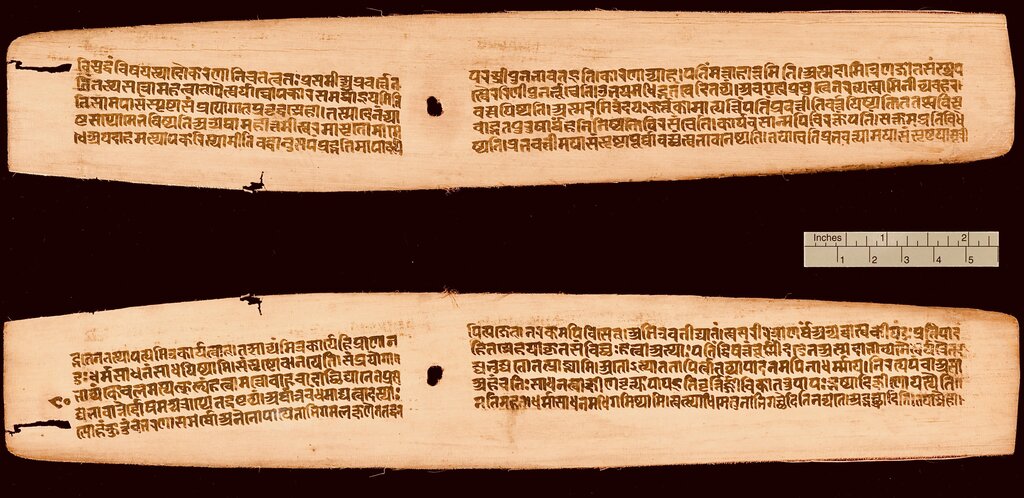
Understanding this context is crucial. The Kama Sutra is not a simple sex manual, as it's often portrayed today. It is a text on the art of living, where sensual and emotional pleasure (Kama) is one important part of a larger, integrated life governed by duty (Dharma) and supported by worldly success (Artha).
With this philosophical foundation, we can approach the rest of the text as its author intended: as a sophisticated guide for living a full and balanced life.
Let's review the core ideas from this section.
According to ancient Hindu philosophy, what are the four fundamental goals for a fulfilling human life, known as the Purusharthas?
While the Kama Sutra is a guide to Kama (desire), Vatsyayana argues it should not be pursued in isolation. How does he believe Kama should be integrated into a person's life?
This framework of balancing duty, prosperity, and pleasure is the lens through which all other aspects of the Kama Sutra should be viewed.