Kajabi Course Creation Masterclass
Understanding Online Course Creation
Start with Your Student
Before you write a single lesson or record a video, the first step is to get crystal clear on who your course is for. This isn't just about demographics like age or location. It’s about understanding their starting point, their goals, and their struggles. What do they already know? What problem are they trying to solve by taking your course?
Think of it like being a tour guide. You wouldn't give the same tour to a group of history professors and a family with young children. The professors want deep historical context, while the family wants engaging stories and fun facts. Knowing your audience dictates the language you use, the examples you choose, and the depth of the content you provide.
Firstly, a successful online course creation begins with a thorough understanding of your target audience.
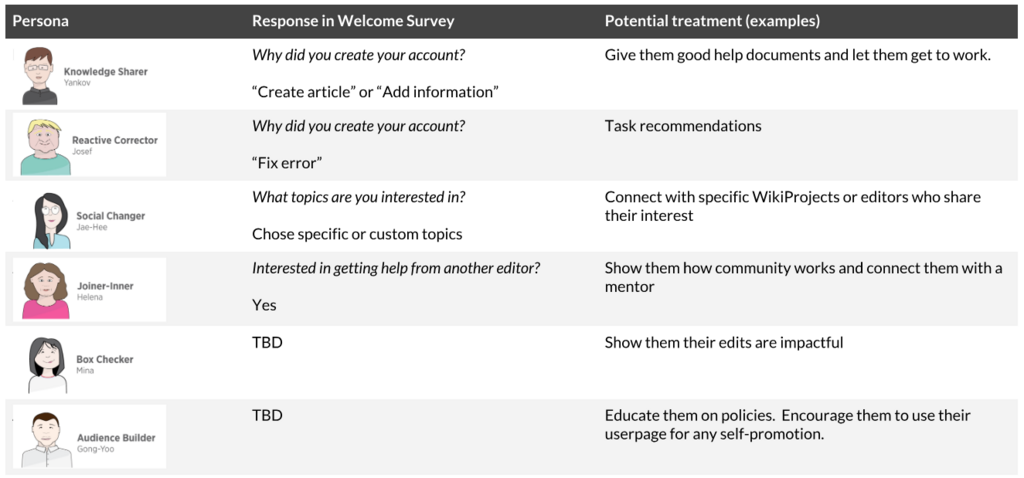
Create a simple profile of your ideal student. Give them a name. What is their biggest frustration related to your topic? What is the one big transformation they hope to achieve? Answering these questions helps you move from creating a generic course to crafting a specific solution for a real person.
Blueprint for Learning
Once you know who you're teaching, you can map out what you'll teach them. A well-structured course guides students on a logical path from where they are to where they want to be. Avoid the temptation to just dump all your knowledge at once. Instead, organize it into a clear, step-by-step journey.
Most courses are broken down into modules (big topics) and lessons (smaller, focused sub-topics). Each lesson should cover one core idea. This makes the material feel manageable and helps students feel a sense of progress as they complete each part. The foundation of this structure is the learning objective.
Learning Objective
noun
A clear, specific statement that describes what a student will be able to do after completing a lesson or module.
Learning objectives are your promise to the student. They should be action-oriented. Instead of saying "Students will understand photosynthesis," write "Students will be able to explain the process of photosynthesis in their own words." The second version is measurable; you can clearly see if a student has achieved it.
Start each objective with an action verb like define, list, apply, compare, or create. This clarity not only guides your content creation but also helps students focus on what’s important.
| Module | Lesson | Learning Objective |
|---|---|---|
| 1: Getting Started | 1.1: Why Bake Sourdough? | List three benefits of baking with a sourdough starter. |
| 1.2: Essential Equipment | Identify the five essential tools for sourdough baking. | |
| 2: Your Starter | 2.1: Creating a Starter | Follow a step-by-step process to create a starter from scratch. |
| 2.2: Feeding and Care | Explain the daily feeding schedule for maintaining a healthy starter. |
Keeping Students Engaged
In an online setting, you're competing for your student's attention. Passive learning, like watching hours of video lectures, can lead to disengagement. The goal is to create an active learning experience.
This doesn't have to be complicated. Simple strategies can make a huge difference. You can break up videos with short quizzes to check for understanding. Provide a downloadable worksheet or checklist to help students apply what they've learned. Encourage them to share their work or ask questions in a discussion area.
Variety is key. Mix up your content formats. A short video followed by a text-based lesson with clear examples, and then a practical exercise, creates a more dynamic and interesting learning path. Each activity should reinforce the learning objectives for that lesson.
Engagement isn't about entertainment; it's about involvement. Ask students to do something with the information you've given them.

Building a solid foundation by defining your audience, structuring your content logically, and planning for engagement is the most important part of course creation. With these elements in place, you're ready to build a course that not only educates but also inspires.
Ready to test your knowledge? Let's see what you've learned about the fundamentals of creating an online course.
What is the primary reason for creating a profile of your ideal student before building a course?
Which of the following is the best example of a well-written, action-oriented learning objective?