K-12 Literacy Foundations
Introduction to Literacy
More Than Just Words
Literacy is often thought of as just the ability to read and write. But it’s much bigger than that. It's about making sense of the world and sharing our own ideas. True literacy involves a whole set of skills that let us understand, create, and communicate.
Literacy, or the ability to read and write, is a crucial indicator of success in life and greater society.
Think of literacy as a toolkit for life. It helps a child follow a recipe, a student understand a history textbook, and an adult navigate a job application. Without these tools, the world can be a confusing place. A strong foundation in literacy doesn't just lead to better grades; it builds confident communicators and critical thinkers who are ready for whatever comes next.
The Four Pillars of Literacy
Literacy stands on four interconnected skills: reading, writing, speaking, and listening. They all work together, and strength in one area often boosts the others. A child who listens to stories develops an ear for language that helps them read, and a student who can speak their ideas clearly finds it easier to write them down.
Let's break them down:
- Reading is about decoding symbols on a page and, more importantly, understanding what they mean. It's the skill of pulling knowledge and stories from text.
- Writing is the other side of that coin. It's about organizing thoughts and putting them into words so others can understand them.
- Speaking is how we share our ideas out loud. It's about choosing the right words and speaking clearly to get a message across in conversation, a presentation, or a simple discussion.
- Listening is a skill we often overlook. It’s not just hearing sounds, but actively paying attention to understand, learn, and respond to what someone else is saying.
A Child's Literacy Journey
Literacy doesn't suddenly appear on the first day of kindergarten. It’s a journey that starts from birth. This early phase is known as emergent literacy, where children absorb the foundations of language long before they can read or write a single word.
emergent literacy- a concept that supports learning to read as a result of a home environment where children begin learning about reading and writing from birth by observing and interacting with adults and other children as they use literacy in their everyday lives in meaningful ways; children are always becoming readers and writers
A baby listening to a lullaby, a toddler scribbling with a crayon, or a preschooler turning the pages of a picture book—these are all early steps. They are learning that spoken words have meaning and that the squiggles on a page represent those words.
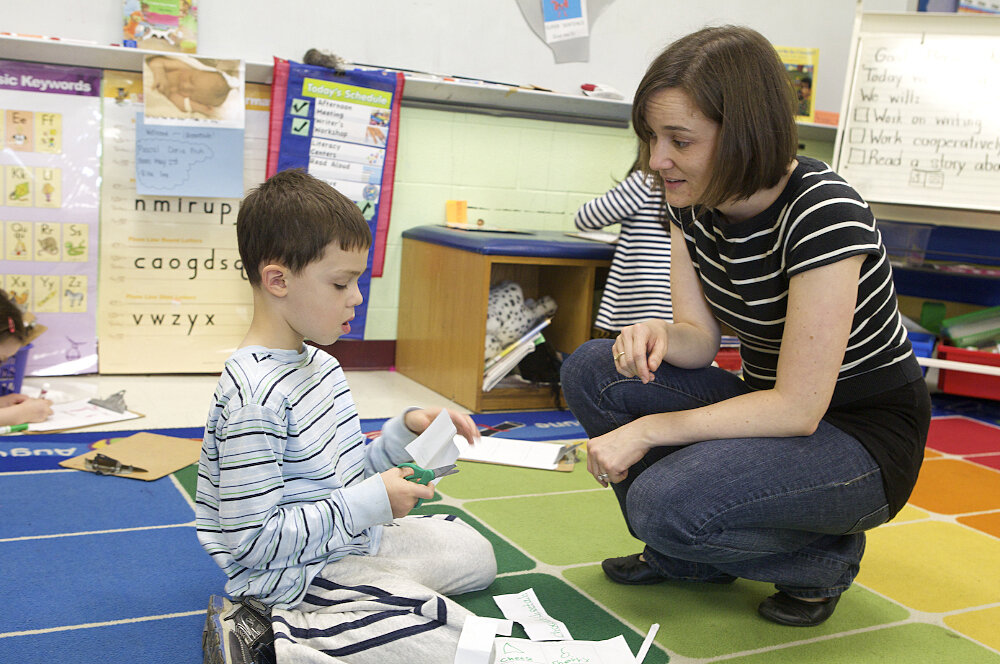
As children enter school, their journey continues. They move from emergent literacy to beginning reading. This is where they learn the alphabet, connect letters to sounds (phonics), and start decoding simple words. The excitement of reading their first sentence is a huge milestone.
By later elementary school, a major shift happens. Students transition from learning to read to reading to learn. Their literacy skills are now tools they can use to explore science, history, and math. They read more complex books, write reports, and discuss big ideas in class. This stage, growing independence, is where literacy truly opens up the world.
Why It Matters
A strong foundation in literacy shapes a person's entire life. In school, it's the key that unlocks every other subject. A student who struggles to read will also struggle with word problems in math and instructions in a science lab.
Beyond academics, literacy empowers personal growth. It builds empathy as we experience stories from different perspectives. It fosters curiosity, allowing us to explore any topic we can imagine. And it gives us a voice to share our own stories, advocate for ourselves, and connect with our communities. Building these skills early sets a child up not just for a successful education, but for a fulfilling life.
Ready to check your understanding? Let's see what you've learned.
According to the text, what is the best definition of literacy?
The four interconnected skills of literacy include all of the following EXCEPT:
Literacy is a fundamental skill that continuously develops, providing the building blocks for all other learning.