Jungian Psychology Explained
Introduction to Jungian Psychology
Mapping the Mind
While Sigmund Freud was busy exploring the basement of the human mind, his onetime protégé Carl Jung wanted to draw a map of the entire house. Jung, a Swiss psychiatrist, started his career as a follower of Freud but eventually broke away. He believed the human psyche was more than just a collection of repressed desires. Instead, he saw it as a dynamic system striving for balance and wholeness.
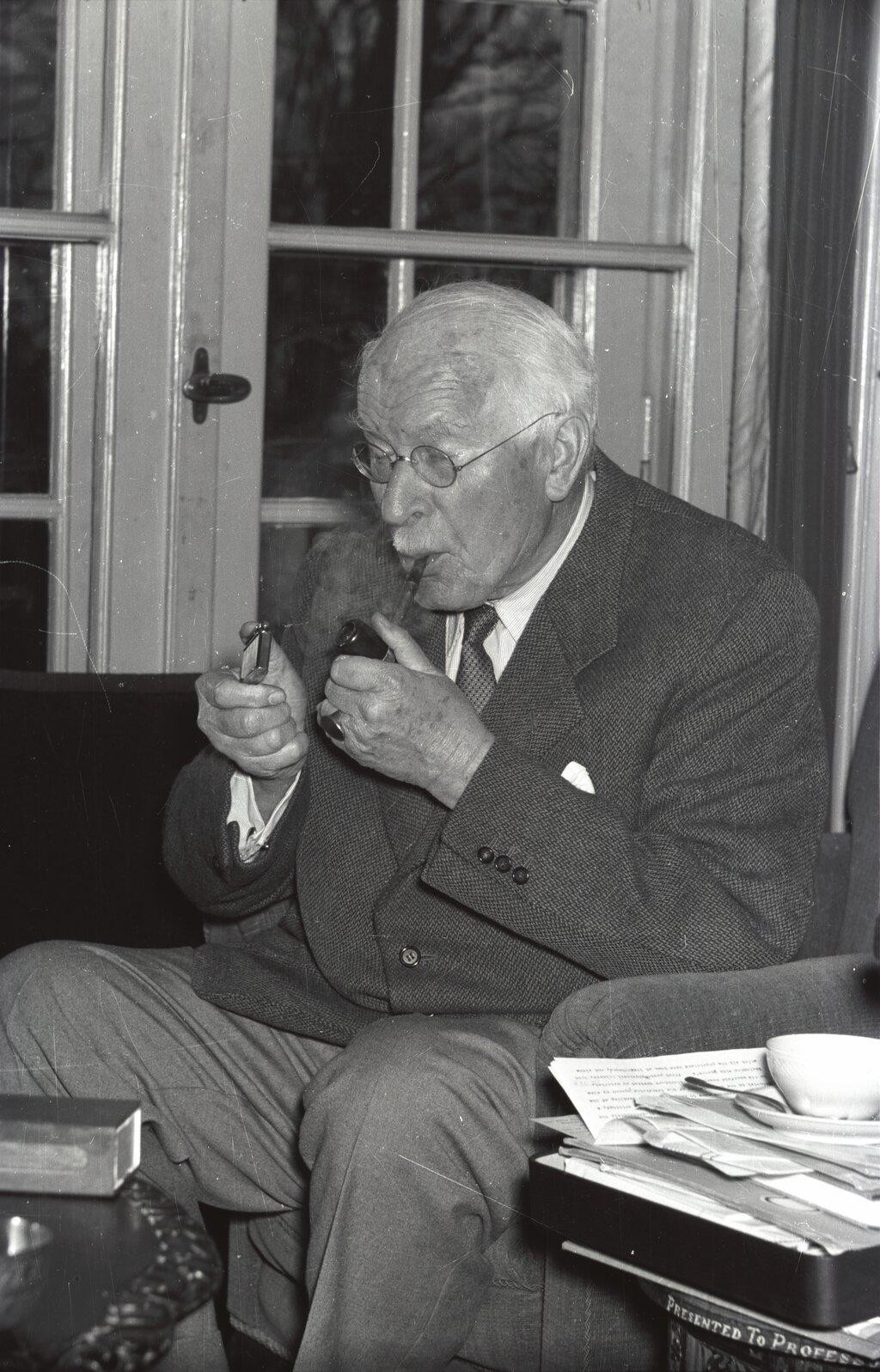
Jung's work provides a framework for understanding ourselves, from our conscious thoughts to the deepest, shared patterns of human experience. Let's start with the part of the mind we know best: the conscious.
The Conscious Ego
Your conscious mind is everything you are aware of right now. It's the voice in your head reading these words, the feeling of the chair you're sitting in, and the memories you can easily recall. At the center of this field of awareness is the ego.
The ego is your sense of self, your identity. It's the part of you that says "I" and organizes your thoughts, feelings, and memories to create a coherent story of who you are. The ego provides continuity and a sense of personal identity. However, in Jung's view, it's just the tip of the iceberg.
Beneath the surface of the conscious mind lies a vast, hidden territory: the unconscious.
The Two-Layer Unconscious
Jung divided the unconscious into two distinct parts. The first layer is the personal unconscious. Think of it as your own private storage room. It contains everything you've experienced but isn't currently in your conscious awareness. This includes forgotten memories, subliminal perceptions, and feelings you've repressed because they were too painful or inconvenient.
If you've ever had a name on the tip of your tongue or felt a sudden, unexplainable mood swing, you've felt the influence of your personal unconscious. Its contents are unique to you, shaped by your life story.
The personal unconscious holds forgotten or repressed experiences that are unique to the individual.
Deeper still, Jung proposed a more controversial and groundbreaking idea: the collective unconscious. This isn't personal; it's universal. Jung believed that all humans are born with a shared psychic inheritance, a blueprint of instincts and universal symbols passed down through generations.
He described it as a reservoir of our species' wisdom, containing patterns of behavior, thought, and imagery that are common to all cultures and all times. These innate patterns, which he called archetypes, shape how we experience the world, influencing our myths, religions, and even our dreams.
The collective unconscious is a unique component in that Jung believed that this part of the psyche served as a form of psychological inheritance.
So, the complete psyche according to Jung isn't just one mind, but three interconnected layers: the conscious ego, the personal unconscious, and the collective unconscious. Understanding this structure is the first step to exploring the rich, complex world of Jungian psychology.
According to Carl Jung, what is the center of the conscious mind, responsible for our sense of self and personal identity?
Which statement best distinguishes the personal unconscious from the collective unconscious?