Julius Caesar Act 4 Scene 3 Analysis
Historical Context
A Republic Without a King
To understand the world of Julius Caesar, we first have to understand the Roman Republic. For nearly 500 years, Rome was governed without a monarch. This idea was central to their identity. The Republic was founded, according to legend, when a man named Lucius Junius Brutus overthrew a tyrannical king. This ancestral legacy weighs heavily on the play's protagonist, Marcus Brutus, who feels a family duty to protect Rome from another king.
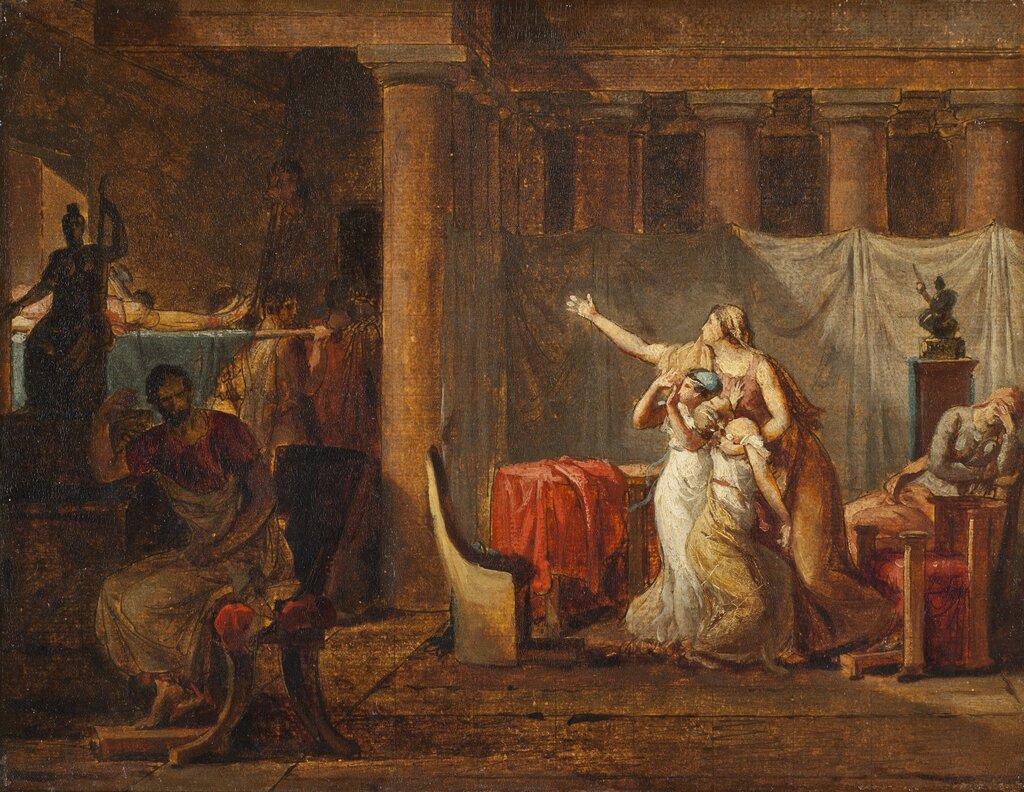
The Republic's government was designed to prevent any one person from gaining too much power. Instead of a king, they had two elected leaders called consuls who served for only one year. The most powerful governing body was the Senate, an assembly of aristocrats who guided policy and controlled the treasury. To protect the common people, or plebeians, there were officials called Tribunes of the Plebs. Tribunes could veto acts of the Senate, creating a system of checks and balances.
Cracks in the Foundation
By the first century B.C., this system was breaking down. Roman politics had become fiercely divided between two factions.
- Optimates: Meaning "the best men." These were the traditional aristocrats who wanted to preserve the Senate's power and limit the influence of popular assemblies.
- Populares: Meaning "favoring the people." These were ambitious leaders who used popular support to challenge the Senate and advance their own careers.
This division wasn't about organized political parties, but rather competing political strategies. The tension between the elite establishment and populist leaders created deep instability.
Adding to the turmoil, Rome's armies had changed. Soldiers were no longer citizen-farmers loyal to the state; they were professional soldiers loyal to the generals who paid them and promised them land. Powerful commanders like Pompey and Caesar could use their armies to intimidate rivals and bend the Senate to their will.
This concentration of power led to the First Triumvirate, an informal alliance between three powerful men: Julius Caesar, the charismatic general; Pompey the Great, a celebrated military hero; and Marcus Licinius Crassus, the richest man in Rome. Together, they bypassed the Senate and controlled the Republic for their mutual benefit.
Caesar's Rise to Power
Caesar used the Triumvirate to secure command of the legions in Gaul (modern-day France). Over nine years, his brilliant campaigns conquered the region, bringing immense wealth and glory to Rome—and to himself. He now had a battle-hardened army that was fiercely loyal to him personally.
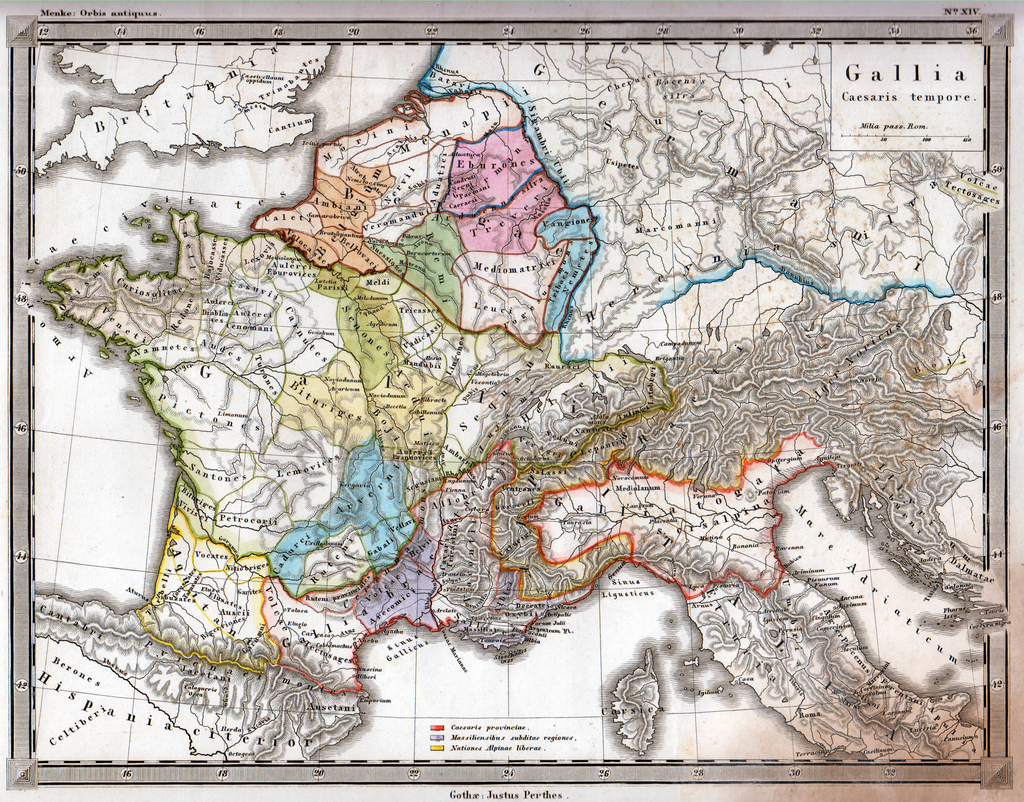
Back in Rome, the Senate and Pompey grew fearful of Caesar's popularity and military might. They ordered him to disband his army and return to Rome as a private citizen. Caesar knew that without his army, his political enemies would destroy him. He faced a choice: obey the Senate and face ruin, or defy them and plunge the Republic into civil war.
In 49 B.C., Caesar made his decision. He led his army across the Rubicon River, the northern boundary of Italy. This was an act of treason, a declaration of war against the state. His famous quote, alea iacta est ("the die is cast"), signaled there was no turning back.
The civil war ended with Caesar's victory. He returned to Rome not just as a hero, but as the undisputed master of the Roman world. He was eventually named dictator perpetuo, or dictator for life. To many senators, this was the final proof that Caesar intended to become a king, destroying the Republic their ancestors had fought to create.
The Man Named Brutus
This is the political firestorm into which Marcus Junius Brutus steps. Historically, Brutus was a respected senator from an ancient and noble family. He had a reputation as a thoughtful, philosophical man, deeply influenced by Stoic philosophy, which emphasized duty, honor, and reason. He was no radical; he was a political moderate who initially sided with Pompey in the civil war but was pardoned and even favored by Caesar after Pompey's defeat.
Brutus's dilemma was profound. He had a personal friendship with Caesar, but he also bore the legacy of his ancestor who had expelled Rome's last king. The conspirators needed Brutus to join their cause because his family name and personal reputation for integrity would give their actions legitimacy. He wasn't just another ambitious senator—he was a symbol of Republican virtue.
Understanding this background is key. The conflict in Julius Caesar is not just a personal dispute. It's the culmination of a century of political decay, pitting personal loyalty against civic duty, and ambition against the ideals of a republic on the brink of collapse.
Let's check your understanding of the historical context.
What was the foundational principle of the Roman Republic's governance, established after the overthrow of a tyrannical king?
Which political faction in the late Republic, known as 'the best men,' sought to preserve the traditional power of the Senate?
With this historical framework, you're now ready to see how these real-world tensions and personalities are brought to life on the stage.