Judo Vocabulary Essentials
Judo Basics
The Gentle Way
Judo is a modern martial art that comes from Japan. Created in 1882 by Jigoro Kano, its name translates to "the gentle way." This might seem odd for a combat sport focused on throwing and grappling, but the name reflects its core philosophy.
Kano wanted to create a system that was more than just fighting. He envisioned a path for physical, mental, and moral development. The central principle is seiryoku zen'yō, or "maximum efficiency, minimum effort." It’s about using an opponent's own force and momentum against them, rather than clashing with brute strength. Think of it like opening a heavy door. You could try to pull it straight open with all your might, or you could push it near the edge, far from the hinges, where a small push achieves a big result. That's the essence of Judo.
Judo
noun
A Japanese martial art and Olympic sport involving grappling and throwing techniques, with the goal of subduing an opponent.
Another key principle is jita kyōei, which means "mutual welfare and benefit." This idea emphasizes that through practice, individuals improve themselves while also contributing to the well-being of their training partners and society. The goal is to develop disciplined and respectful individuals, not just skilled fighters. This philosophy is woven into every aspect of training, starting with the uniform.
Dressed for Success
The traditional uniform worn for practicing Judo is called a judogi. It consists of a heavy cotton jacket (uwagi), pants (shitabaki or zubon), and a belt (obi).
The material is thick and durable for a reason. During practice, your opponents will constantly be grabbing, pulling, and twisting your jacket to unbalance and throw you. A normal shirt would rip to shreds in minutes. The judogi is designed to withstand the rigors of grappling, providing grips for your opponent while protecting your skin.
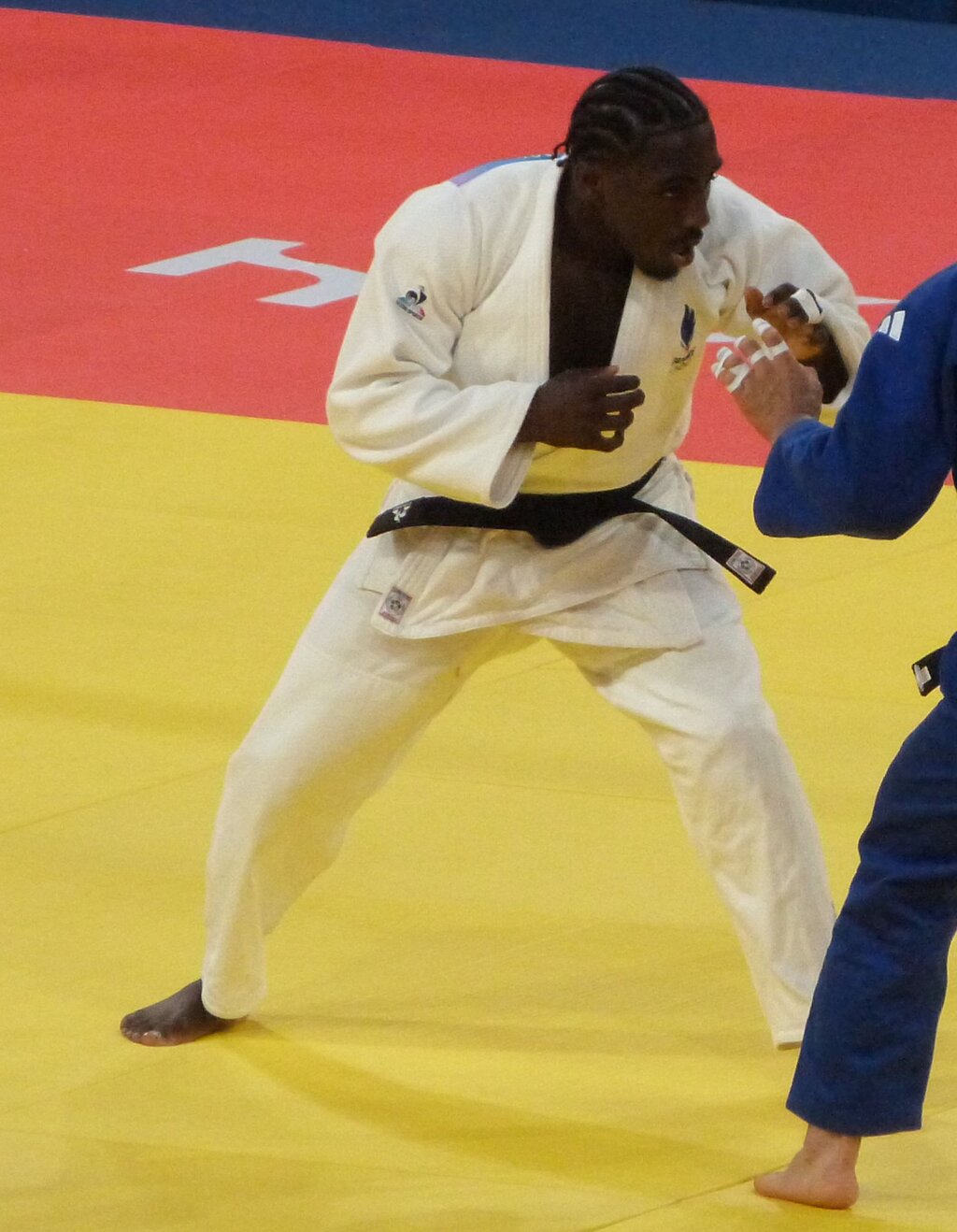
The belt, or obi, does more than just hold the jacket closed. It signifies the practitioner's rank and experience. While belt systems can vary slightly between organizations, they generally follow a progression from lighter to darker colors.
Beginners start with a white belt. As they learn and demonstrate proficiency in techniques, they advance through a series of colored belts. Reaching the black belt is a significant milestone, but it's not the end. It signifies that the student has mastered the fundamentals and is ready to begin a deeper, lifelong journey in the art of Judo.
| Belt Color | General Rank |
|---|---|
| White | Beginner |
| Yellow, Orange, Green | Novice/Intermediate |
| Blue, Purple, Brown | Intermediate/Advanced |
| Black | Expert |
The Language of the Dojo
Training takes place in a hall called a dojo, which means "place of the way." Because of Judo's Japanese origins, instructors use a few key Japanese terms to start, stop, and manage practice. Learning these commands is one of the first steps for any new student. The most fundamental command is a gesture of respect.
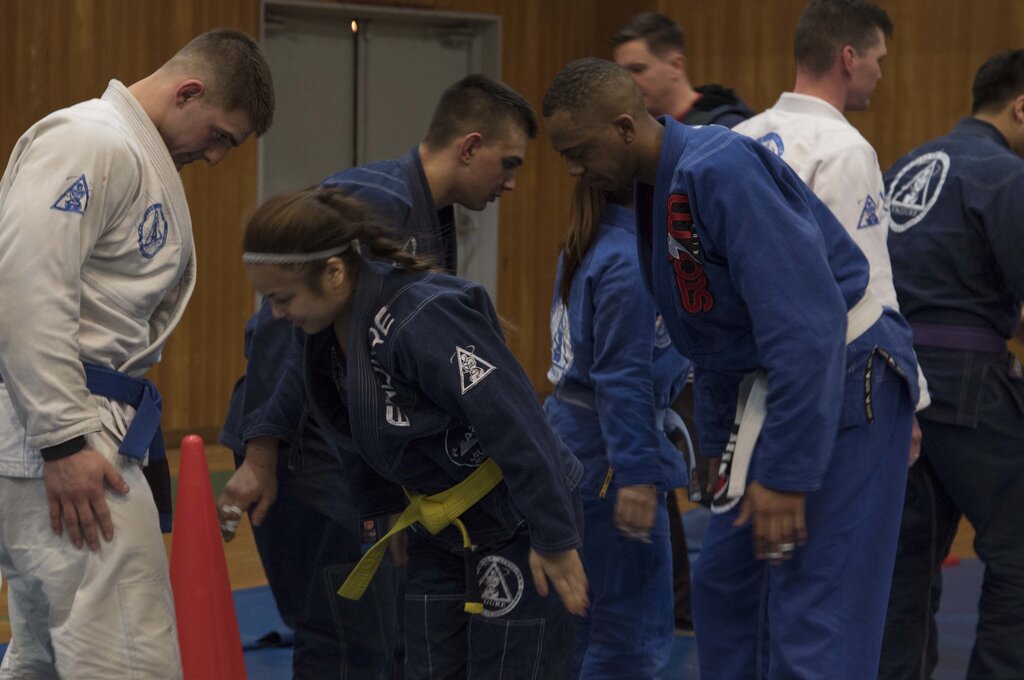
Let's go over the three most common commands you'll hear in every class.
Begin
This is the command to start. When the instructor says "Hajime!", you and your partner begin your practice drill or sparring match.
Stop
When you hear "Matte!", you must immediately stop what you are doing, release any grips, and pause. This is crucial for safety and for listening to further instruction.
Bow
This command instructs you to bow. Bowing is a central part of Judo culture, used to show respect and gratitude. You bow when entering and leaving the dojo, and to your instructors and partners before and after each practice. It’s a simple act that reinforces the philosophy of mutual welfare and respect.
Now, let's test your knowledge of these foundational concepts.
What is the English translation of the word "Judo"?
The principle of using an opponent's own force and momentum against them is known as...
Understanding the history, equipment, and basic etiquette of Judo provides the foundation for everything that follows. With these basics, you're ready to step onto the mat.