JTNC MOCB Device Design
Introduction to JTNC MOCB
The Brains of the Operation
Imagine a quarterback on a football field. In a split second, they have to know their exact position, spot an open receiver downfield, and throw the ball with perfect timing and trajectory. These three tasks—navigation, targeting, and control—are distinct but have to work together flawlessly. In modern aerospace, a single piece of hardware often handles all three: the Joint Target Navigation and Control Module, or JTNC MOCB.
A JTNC MOCB is a highly integrated system that acts as the brain for vehicles like drones, missiles, and advanced aircraft. Its purpose is to combine the complex jobs of figuring out where it is, what it's supposed to do, and how to get there into one streamlined, reliable unit. Instead of having separate, bulky systems that need to talk to each other, the MOCB brings them all under one roof.
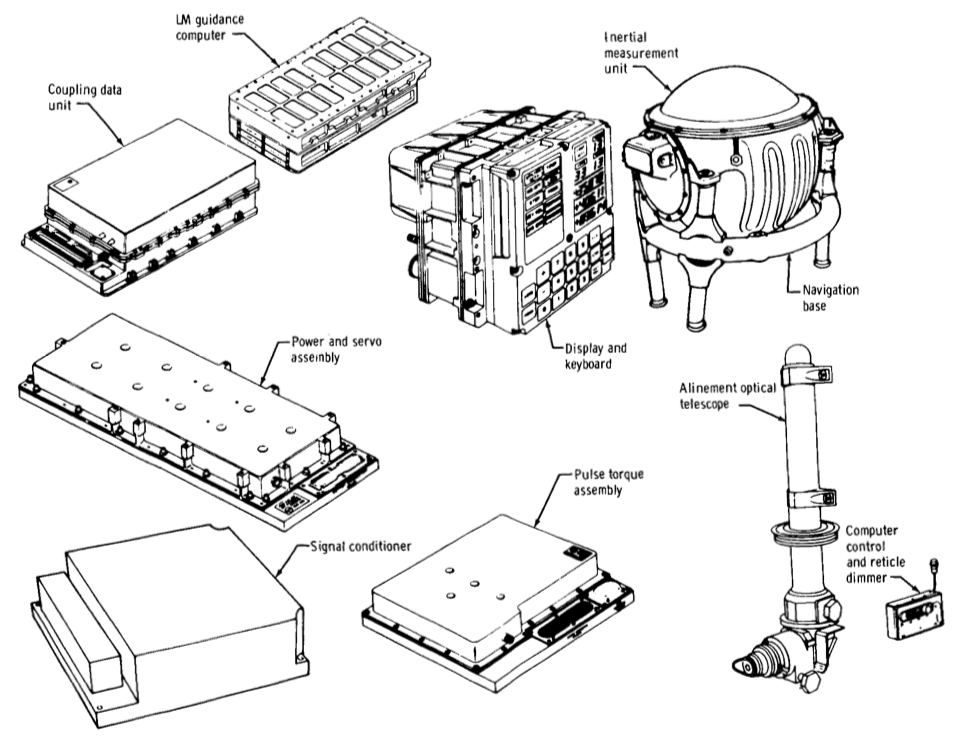
The Core Components
A JTNC MOCB is a marvel of efficiency, but it can be broken down into a few key subsystems that work in concert. Each has a specific, vital role to play in the mission's success.
Navigation Subsystem This is the component that answers the question, "Where am I?" It fuses data from multiple sources, such as GPS for absolute positioning and an Inertial Navigation System (INS) for tracking motion and orientation. By combining these inputs, it produces a continuous, accurate understanding of the vehicle's location, speed, and attitude, even if one of the sensors is temporarily unavailable.
Targeting Subsystem Once the system knows its own position, it needs to know the target's. The targeting subsystem processes information from sensors like radar, infrared cameras, or laser designators. Its job is to detect, identify, and track targets, calculating their precise coordinates and predicting their movement. This ensures the vehicle is always aimed at the right spot.
Control Subsystem This component connects knowledge to action. It takes the data from the navigation subsystem (where I am) and the targeting subsystem (where I need to go) and calculates the necessary adjustments to get there. It then sends commands to the vehicle's control surfaces—like fins, rudders, or thrusters—to execute the flight path. It's the pilot, making thousands of micro-corrections every second to stay on course.
Communication Interface This is the central hub that allows the MOCB to talk to the rest of the vehicle. It sends status updates to the mission computer, receives commands from human operators, and coordinates with other onboard systems. This interface ensures the MOCB is a team player, not an isolated component.
Why It Matters
The move toward integrated modules like the JTNC MOCB isn't just about saving space. It represents a fundamental shift in how complex aerospace systems are designed and operated. The benefits are significant.
By combining navigation, targeting, and control, the MOCB dramatically shortens the time between sensing and acting. This speed is critical in dynamic environments where targets move and threats can appear suddenly.
This integration also boosts precision and reliability. Since the components are designed to work together from the ground up, there are fewer chances for errors in communication between separate systems. The calculations for navigation and control are tightly coupled, allowing for a more accurate and stable flight path. Furthermore, a single, standardized MOCB can be adapted for use across many different platforms—from a small drone to a large aircraft. This interoperability simplifies manufacturing, lowers costs, and makes maintenance and upgrades far easier.
What is the primary purpose of a Joint Target Navigation and Control Module (JTNC MOCB)?
A missile is in flight. Which subsystem is responsible for taking the vehicle's current position and the target's location and then sending commands to the missile's fins to adjust its trajectory?
The JTNC MOCB is a key enabler of modern autonomous and semi-autonomous systems, reducing the workload on human operators while enhancing the capabilities of the machine.