John Clare's Nature Poetry Unveiled
Analyzing Clare's Nature Imagery
The Language of the Land
John Clare didn’t just write about the countryside. He used the natural world as a rich, detailed language to express his deepest feelings. For him, a wildflower wasn't just a bit of color; it was a symbol. The call of a bird wasn't just a sound; it was a voice carrying a specific emotion. To understand his poetry, we have to learn to read this language.
His poems are filled with hyper-specific details drawn from direct observation. He doesn't just mention a tree; he tells you it's an oak or an elm, noting the texture of its bark and the way moss grows on it. This precision isn't just for decoration. It grounds his work in a real, tangible place and gives his emotional expressions a powerful authenticity. When Clare describes a sense of loss, he ties it to a felled tree or a plowed-over field he knew personally. The landscape becomes a map of his inner world.
Recurring Motifs
Certain images appear again and again in Clare's work, acting as powerful symbols. One of the most significant is the bird's nest.
In poems like "The Pettichap's Nest" and "The Yellowhammer's Nest," Clare focuses intensely on the small, fragile home of a bird, built meticulously from moss, feathers, and hair. This carefully constructed sanctuary represents safety, family, and a deep sense of belonging to a particular place.
This motif becomes incredibly poignant when we consider Clare's personal history. He witnessed the Enclosure Acts transform the open common lands of his youth into privately owned, fenced-in fields. This process destroyed not only the landscape but also a way of life, displacing people like him. The destruction of a bird's nest by a careless boy or a farmer's plow becomes a powerful, personal metaphor for his own loss of home and the destruction of his world. The vulnerability of the nest mirrors his own.
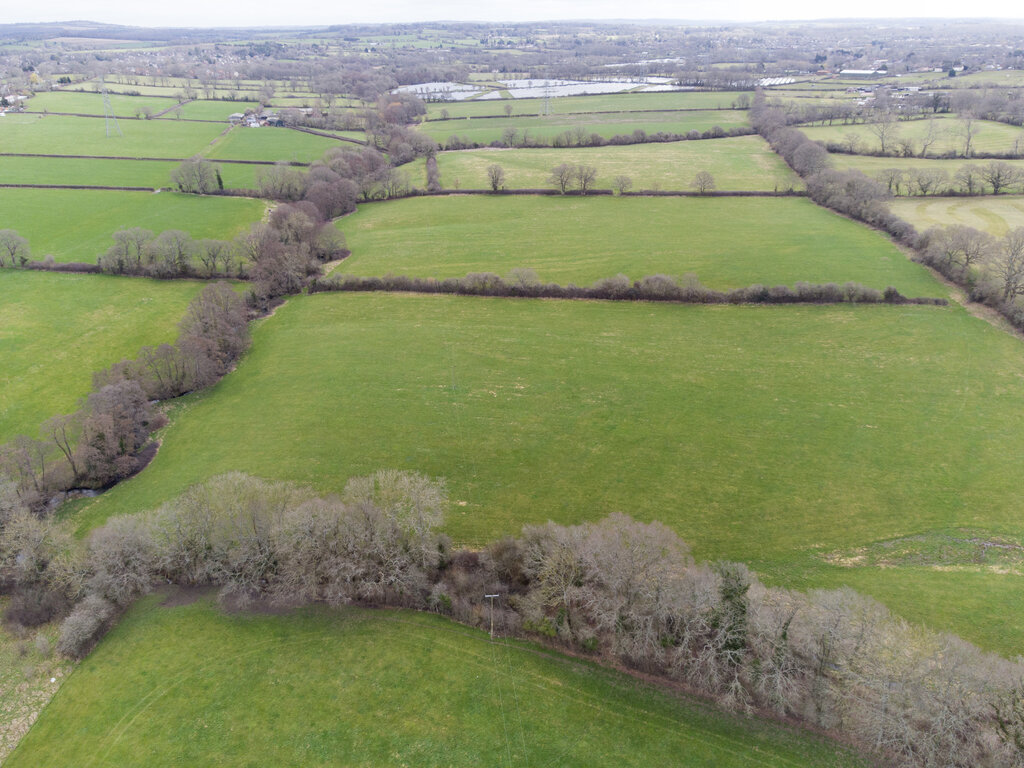
Another recurring theme is Clare's focus on the overlooked and the humble. While many poets of his time wrote about majestic mountains and grand, imposing landscapes, Clare found poetry in weeds, insects, and wildflowers most people would ignore. He wrote sonnets to the thistle and the ragwort, celebrating their resilience and wild beauty.
This focus wasn't accidental. As a farm laborer and a man from a poor background, Clare identified with these overlooked elements of nature. He was often called the "peasant poet," a label that both recognized his origins and marginalized him from the literary elite. In celebrating the humble weed, he was celebrating himself and his own struggle for recognition. He saw a shared existence: one of being tough and resilient but constantly at risk of being uprooted or destroyed by more powerful forces.
Rather than stating emotions directly, poets would describe natural scenes that paralleled human situations.
By examining these natural motifs, we see how Clare's personal experiences are woven directly into his depiction of the world around him. His poetry isn't just a description of nature; it is a testament to a life lived within it, where every leaf, nest, and flower holds a piece of his own story.