Johannes Vermeer A Dutch Master
Introduction to the Dutch Golden Age
A Golden Century
The 17th century was a remarkable time for the Netherlands. Fresh from winning independence from Spain, the small Dutch Republic transformed into a global powerhouse. This era, known as the Dutch Golden Age, wasn't just about military might or economic dominance. It was a period of incredible artistic, scientific, and cultural flourishing that shaped the world in ways still felt today.
Unlike its European neighbors, which were mostly monarchies ruled by powerful kings, the Dutch Republic was a confederation of provinces governed by wealthy merchants and nobles. This created a society that valued commerce, innovation, and a certain degree of religious tolerance. It was a fertile ground for new ideas to take root and for an unprecedented cultural boom to begin.
The Engine of Prosperity
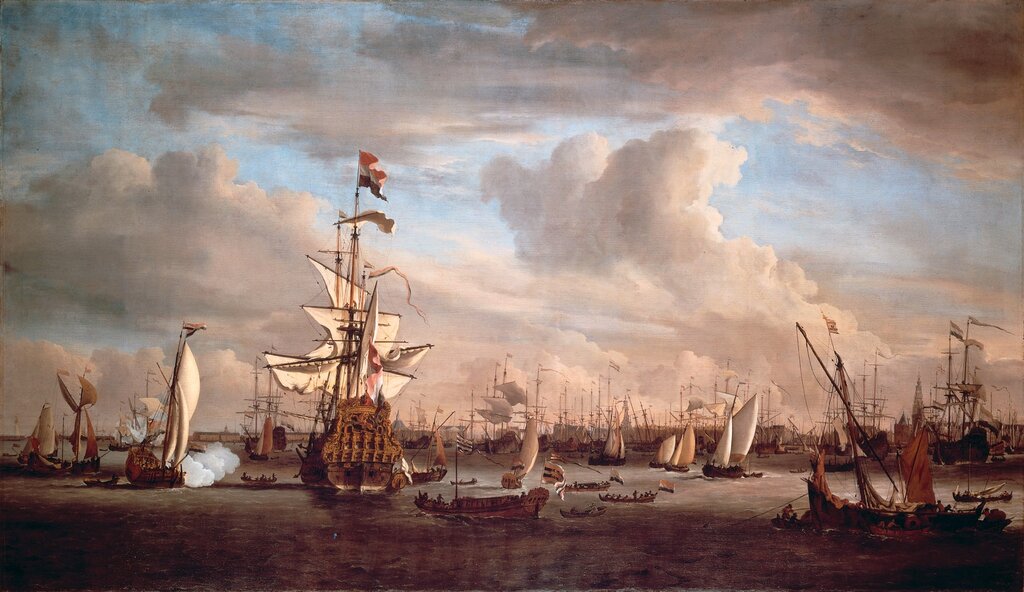
Trade was the engine of the Golden Age. Dutch ships dominated the seas, connecting continents and creating vast trading networks. The Dutch East India Company (VOC) and the Dutch West India Company became the world's first multinational corporations, bringing immense riches back to cities like Amsterdam. This influx of wealth didn't just stay with the elite; it created a large and prosperous middle class of merchants, craftsmen, and traders.
This economic vitality fueled advancements in science and technology. Dutch engineers became masters of land reclamation, famously creating polders from the sea. Innovations in shipbuilding and mapmaking gave Dutch sailors an edge. Thinkers like Christiaan Huygens made groundbreaking discoveries in optics and astronomy, inventing the pendulum clock and identifying Saturn's rings.
A New Kind of Art
With great wealth came a great appetite for art. But Dutch art was different. In Catholic countries like Italy and Spain, the Church was the primary patron, commissioning grand religious scenes. In France, the king and his court demanded portraits of nobles and mythological epics. The Dutch, being largely Protestant and republican, had different tastes.
The new patrons were the successful merchants, guild members, and citizens who wanted to decorate their homes. They didn't want soaring religious allegories; they wanted art that reflected their own lives and values. This demand created a vibrant art market and gave rise to new subjects.
Artists began to specialize in specific genres: portraits of proud citizens, detailed still lifes of lavish meals, sweeping landscapes and seascapes, and intimate scenes of everyday domestic life.
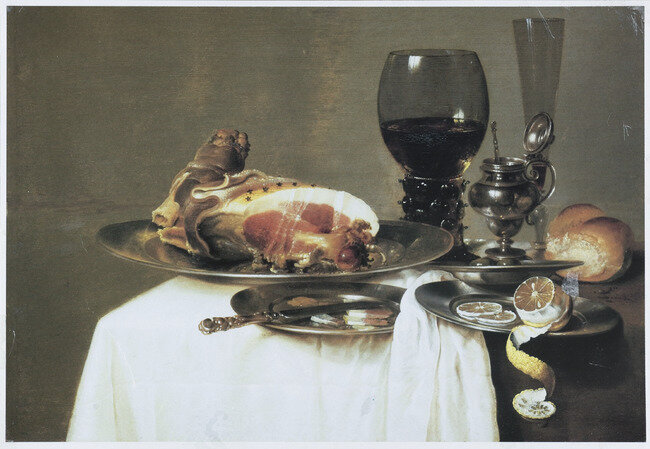
Dutch Golden Age painting is known for its incredible realism and attention to detail. Artists mastered the play of light and shadow, the texture of different fabrics, and the subtle expressions on a person's face. They celebrated the ordinary, finding beauty and meaning in a quiet courtyard, a bustling market, or a simple meal.
| Genre | Description | Major Artists |
|---|---|---|
| Portraiture | Captured the likenesses of wealthy merchants, civic guards, and families. | Rembrandt van Rijn, Frans Hals |
| Genre Scenes | Depicted scenes of everyday life, from domestic interiors to tavern brawls. | Jan Steen, Pieter de Hooch |
| Landscape | Celebrated the flat, distinctive Dutch countryside and dramatic seascapes. | Jacob van Ruisdael, Aelbert Cuyp |
| Still Life | Showcased arrangements of flowers, food, and objects, often with symbolic meaning. | Willem Claesz Heda, Rachel Ruysch |
This unique artistic environment, fueled by trade and a confident middle class, is the world that artists like Johannes Vermeer inhabited. Understanding the Dutch Golden Age is key to appreciating why their work was so revolutionary and why it continues to captivate us today.
Ready to test your knowledge?
How did the governance of the Dutch Republic in the 17th century differ from most of its European neighbors?
What was the primary engine of the immense wealth generated during the Dutch Golden Age?