Jobber Strengths Interests and Goals
Self-Assessment
Start With You
Before you can find the right career, you need to understand the most important part of the equation: yourself. This isn't about daydreaming. It's about gathering clear, honest information on what makes you tick. Think of yourself as a research project. The goal is to build a detailed profile of your own abilities, preferences, and principles.
Introspection -- thinking about your interests, skills, abilities, values, personality traits and goals -- is part of any sound career counseling process.
This self-exploration gives you a reliable compass. Without it, you might drift toward jobs that look good on paper but don't truly fit. A clear sense of self helps you recognize opportunities that align with who you are.
Strengths and Weaknesses
A good starting point is an honest look at your strengths and weaknesses. This isn't about judging yourself. It's about awareness. What comes naturally to you? Where do you consistently struggle?
Knowing your strengths helps you find roles where you can excel and feel confident. Understanding your weaknesses shows you where you might need support or training. It also helps you avoid jobs that would be a constant uphill battle.
A simple exercise: Ask three people you trust—a friend, a former manager, a family member—what they see as your top three strengths. You might be surprised by the patterns that emerge.
Use a simple chart to organize your thoughts. Be specific. Instead of saying you're "good with people," you might write "making nervous clients feel comfortable."
| I Excel At... | I Could Improve On... |
|---|---|
| Organizing complex projects | Public speaking |
| Staying calm under pressure | Delegating tasks effectively |
| Writing clear instructions | Remembering names |
| Learning new software quickly | Asking for help |
Skills and Competencies
Next, let's get more specific by creating a skills inventory. This is a detailed list of what you know how to do. It’s helpful to divide skills into two categories.
Hard skills are teachable abilities that are easy to quantify. Think of things like fluency in a programming language, operating a specific machine, or holding a particular certification.
Soft skills are interpersonal abilities that describe how you work and interact with others. These include communication, teamwork, and problem-solving. They're harder to measure but are often just as critical for success.
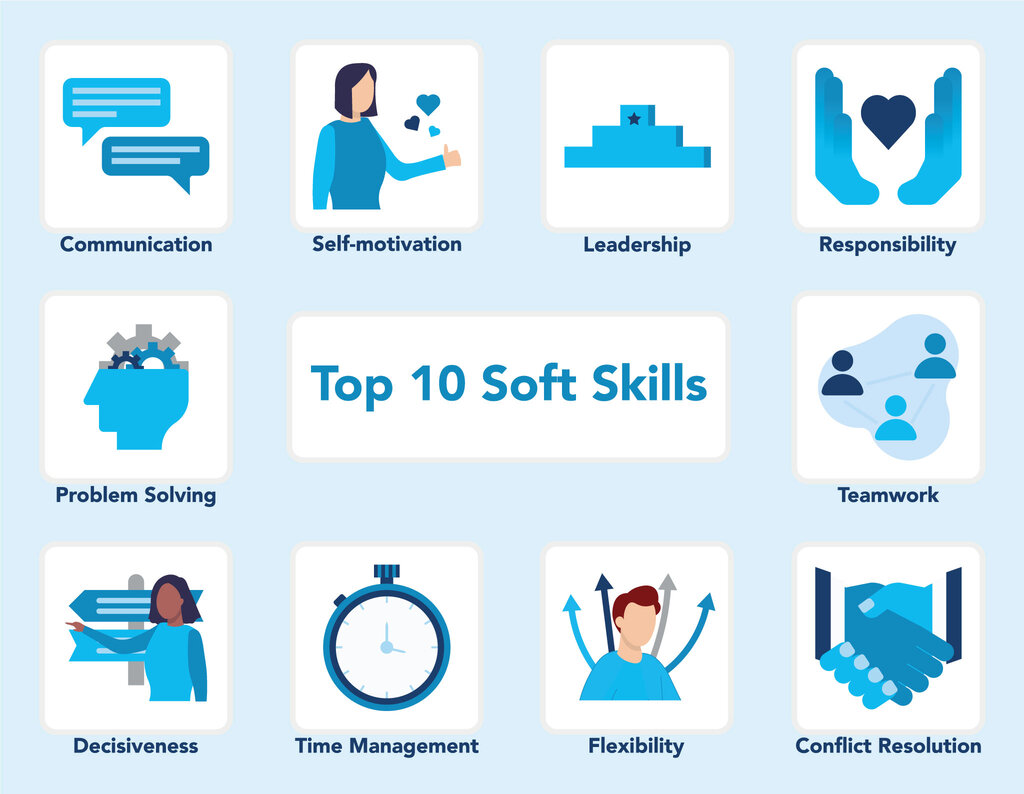
Start a running list of both your hard and soft skills. Don't just think about past jobs. Include skills from hobbies, volunteer work, or life experiences. Did you organize a family reunion? That’s project management. Do you help friends with their computer problems? That’s technical support. This inventory is a living document you can update throughout your career.
Values and Interests
Your skills tell you what you can do. Your values and interests tell you what you'll enjoy doing. A job that uses your skills but clashes with your values can lead to burnout.
Values are your guiding principles. What's most important to you in a work environment? Consider things like:
- Autonomy: Do you prefer to work independently or as part of a team?
- Stability: Is a predictable schedule and steady paycheck a top priority?
- Impact: Is it important that your work helps others or contributes to a cause you believe in?
- Creativity: Do you need an outlet for new ideas and innovation?
Interests are the topics and activities that genuinely capture your attention. What do you read about for fun? What problems do you enjoy solving? A job that taps into your natural curiosity will feel less like work.
To clarify your values, try this: Think of a peak experience at a past job or project. What made it so positive? Then, think of a negative experience. What made it so draining? The answers often point directly to your core values.
There are many structured exercises and online tools that can guide this process. Personality tests like the Myers-Briggs Type Indicator (MBTI) or assessments like the Strong Interest Inventory can provide a framework for your reflections. They aren't definitive labels, but they offer useful language and concepts to help you organize your thoughts about yourself.
Ready to check your understanding? This quiz will help you review the core ideas of self-assessment.
Why is self-assessment described as a crucial first step in career planning?
Which of the following is an example of a "hard skill"?
Completing this self-assessment gives you a strong foundation. You now have a clearer picture of the unique strengths, skills, and values you bring to the table.