Job Skills Analysis
Understanding Job Descriptions
The Anatomy of a Job Description
Think of a job description as a blueprint. It's not just a list of tasks; it's a company's vision for the ideal person to fill a role. Understanding this blueprint is the first step in figuring out if a job is the right fit for you. Let's break down the typical structure to see what each part really means.
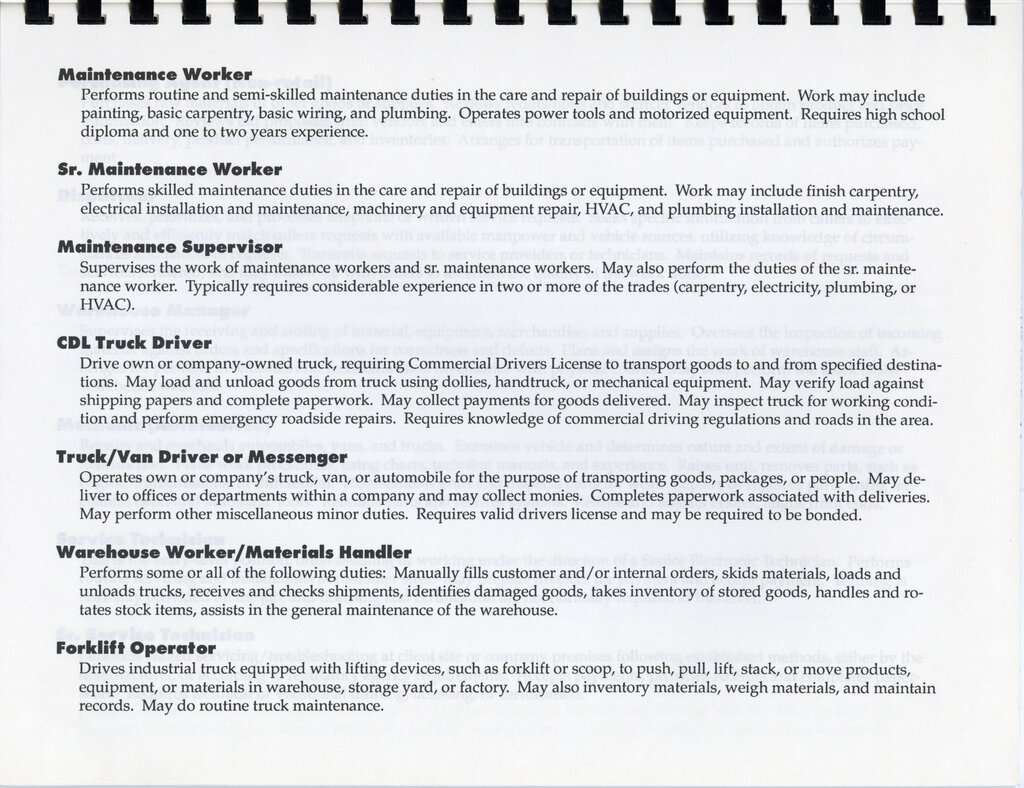
Most job postings follow a predictable pattern. They're designed to give you information in a logical order, starting broad and getting more specific.
Job Title: This is more than just a name. It sets expectations for the role's seniority and focus. Titles like "Junior Developer," "Senior Marketing Manager," or "Lead Data Analyst" give you immediate clues about the level of experience required.
Job Summary or Objective: This is the elevator pitch. In a short paragraph, the company will try to capture the essence of the position. It answers the question, "What is the main purpose of this job?" This section often highlights the role's contribution to a team or the company's overall mission.
Responsibilities and Duties: Here’s the core of the description. This section lists the day-to-day tasks and key responsibilities you'd be expected to handle. Pay close attention to the action verbs used, like "manage," "create," "analyze," or "implement." They tell you what you'll actually be doing.
Qualifications and Skills: This is the checklist of what the company is looking for in a candidate. It's often split into two parts: "required" and "preferred." Required qualifications are the deal-breakers—the skills and experience you must have. Preferred qualifications are the "nice-to-haves" that would make you an even stronger candidate.
This section will also list both hard skills (like proficiency in a programming language or software) and soft skills (like communication or teamwork).
Reading the Language
Beyond the structure, the language used in a job description provides important clues. Companies often use specific keywords related to the skills and technologies they use. These aren't just for you; they're also for Applicant Tracking Systems (ATS), the software many companies use to screen resumes.
The tone of the description can also offer a glimpse into the company culture. Phrases like "fast-paced environment," "work independently," or "highly collaborative team" help you imagine what it would be like to work there. Is it a startup that values rapid growth, or an established company that emphasizes process and teamwork?
By understanding these components and the language they use, you can move beyond simply reading job descriptions and start to truly interpret them. This skill is fundamental to finding a role where you can succeed and thrive.
What is the primary purpose of the "Job Summary" or "Objective" section in a job description?
In a job description, 'Proficiency in Python' would be considered a...