Job Market Trends to 2030
Introduction to Labor Market Dynamics
The Job Market Isn't Magic
The labor market is where workers and employers connect. Think of it like a massive, constantly shifting marketplace. On one side, you have the supply: people looking for jobs. On the other, you have the demand: companies looking to hire people.
The price in this market is the wage. When many people are looking for work but there are few jobs (high supply, low demand), wages tend to stay flat or drop. When there are lots of open jobs but not enough people to fill them (low supply, high demand), wages tend to rise as companies compete for workers.
This basic model of supply and demand is the engine of the labor market. But it doesn't operate in a vacuum. Several powerful forces are constantly pushing and pulling on it, changing the landscape of work for everyone.
Technology Changes the Game
Technological advancement is one of the biggest forces reshaping the labor market. Automation and artificial intelligence (AI) are often seen as job destroyers, but the reality is more nuanced. While some repetitive tasks are being automated, technology also creates entirely new roles and industries.
Think about it: jobs like 'app developer,' 'social media manager,' or 'data scientist' didn't exist a few decades ago. They were born from new technologies. Technology often acts as a tool that enhances human capabilities, not just a replacement. It can free up workers from tedious tasks to focus on more creative, strategic, and complex problem-solving.
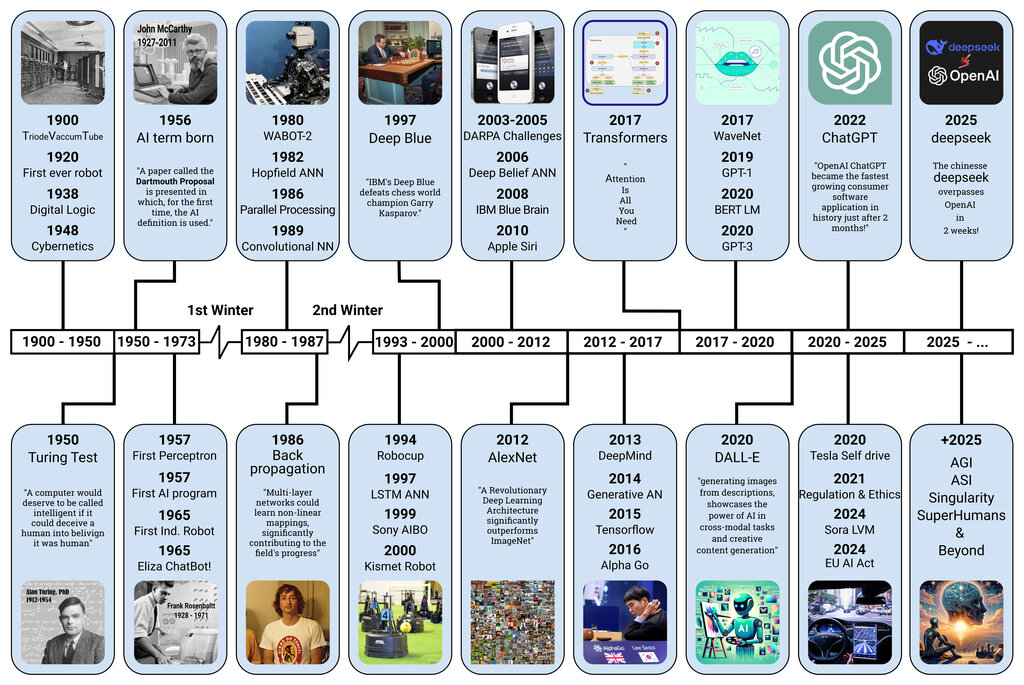
This process isn't always smooth. It creates a demand for new skills while making others obsolete, forcing the workforce to adapt.
The Economy's Ebb and Flow
The overall health of the economy has a direct impact on the job market. During periods of economic growth, businesses expand, consumer spending increases, and new projects are launched. This creates a strong demand for labor, leading to more job openings and better wages.
Conversely, during an economic downturn or recession, businesses often cut back. They might freeze hiring, reduce hours, or lay off staff to save money. This reduces the demand for labor, making it harder to find work. Government policies, like changes in interest rates or public spending programs, also influence this cycle by either encouraging or slowing down economic activity.
A booming economy generally means a healthier job market, while a recession leads to higher unemployment.
The Constant Need for New Skills
As technology and the economy evolve, so do the skills employers need. The demand for routine, manual labor has been declining for years. In its place is a growing demand for skills that are uniquely human and harder to automate.
These include:
- Critical Thinking: Analyzing information to make sound judgments.
- Creativity: Coming up with new ideas and solutions.
- Collaboration: Working effectively with others.
- Digital Literacy: Using technology confidently and effectively.
This shift means that education and career paths are becoming less linear. The idea of learning a trade and doing it for 40 years is fading. Today, adaptability and a commitment to lifelong learning are essential for staying relevant in the job market.
Now let's review these core concepts about how the labor market works.
In the labor market, what is the 'price' that balances the supply of workers and the demand from employers?
If an economic recession leads to widespread business closures, what is the expected impact on the labor market?
Understanding these dynamics is the first step in navigating your own career path in a changing world.