Job Application Mastery
Self-Assessment
Start with You
Before you can find the right job, you need to understand the right you. A fulfilling career isn’t just about a good salary or a fancy title. It's about finding a role that fits your unique combination of skills, passions, and values. This process of looking inward is called self-assessment. It’s the foundational step that helps you navigate your career path with confidence, ensuring you're aiming for jobs that truly suit you.
Introspection -- thinking about your interests, skills, abilities, values, personality traits and goals -- is part of any sound career counseling process.
Think of it like building a house. You wouldn't start ordering windows and doors without a blueprint. Self-assessment is your personal career blueprint. It helps you identify not just what you can do, but what you want to do and why you want to do it.
Strengths and Weaknesses
A clear-eyed look at your strengths and weaknesses is the first part of building your blueprint. This isn’t about judging yourself. It's about gaining clarity.
Strengths are the things that come naturally to you. What activities make you feel energized and capable? What skills do friends or colleagues often compliment you on? Maybe you're a natural leader, a meticulous organizer, or a creative problem-solver.
Weaknesses are simply areas for growth. These are the tasks that drain your energy or skills you haven't developed yet. Acknowledging them doesn't mean you're unqualified. It means you can either seek roles where those skills aren't critical or find opportunities to improve.
The goal is honesty, not perfection. Everyone has a mix of strengths and weaknesses. The key is to know yours.
A helpful way to organize your thoughts is with a personal SWOT analysis. This framework prompts you to think about your Strengths and Weaknesses, as well as the external Opportunities and Threats that might affect your career.
Interests and Passions
Skills tell you what you can do, but interests tell you what you enjoy doing. A job that uses your strengths but bores you to tears is not a good long-term fit. Your passions are powerful clues to a fulfilling career path.
Think about what you do in your free time. What kind of books or articles do you read? What topics could you talk about for hours? Don't dismiss your hobbies as irrelevant. A love for video games could point to a career in software development, design, or storytelling. A passion for gardening might lead to work in horticulture, landscape design, or environmental science.
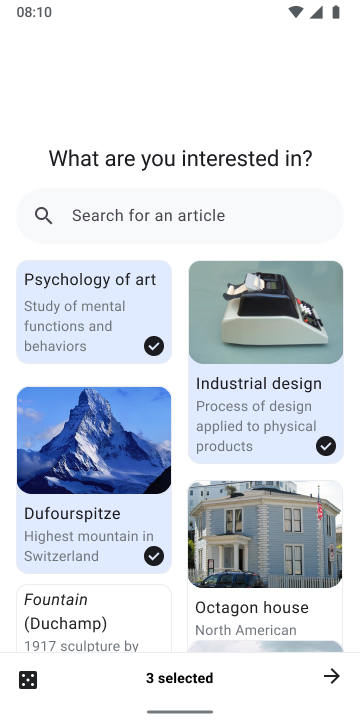
Your curiosity is a compass. Follow it. Make a list of topics that genuinely excite you, even if they seem unrelated to a traditional career. The connections might surprise you.
Work Values and Motivations
Values are the principles that are most important to you, and they act as your internal guide for decision-making. What do you need from a job to feel satisfied? Understanding your core work values helps you filter out opportunities that look good on paper but would ultimately make you unhappy.
For some, the top priority is financial security. For others, it's having the flexibility to spend time with family. There's no right or wrong answer, only what's right for you. Consider what truly motivates you.
| Value | What It Means to You |
|---|---|
| Autonomy | Do you prefer to work independently with minimal supervision? |
| Prestige | Is recognition and having an impressive title important to you? |
| Work-Life Balance | Do you need a job with predictable hours that leaves time for personal life? |
| Social Impact | Is it important that your work contributes to a cause you believe in? |
| Collaboration | Do you thrive in a team-oriented environment? |
Ranking your top five values can bring incredible clarity. When you evaluate a potential job, you can then ask yourself: does this role align with what I value most?
A high salary won't make up for a job that violates your core value of work-life balance or creative freedom.
For an even deeper dive, various career assessment tools can help you connect your personality and interests to potential job paths. Tests like the Myers-Briggs Type Indicator (MBTI), the Strong Interest Inventory, or the Holland Code (RIASEC) can provide structured feedback and suggest careers you may not have considered. While not definitive guides, they are excellent resources for sparking ideas and validating your own reflections.
Let's check your understanding of these core self-assessment concepts.
What is the primary goal of career self-assessment?
In the context of career planning, weaknesses should be viewed as areas for growth or factors to consider in a role, not necessarily as absolute barriers.
Taking the time for this deep-dive into who you are is an investment that pays off throughout your entire career. It equips you to make smarter, more authentic choices and find a role where you don't just work, but thrive.