Jewish Return from Babylonian Exile
Babylonian Captivity
The Babylonian Captivity
By the early 6th century BCE, the Kingdom of Judah was caught between two superpowers: Egypt to the south and the rising Neo-Babylonian Empire to the east. Judah’s kings tried to play these giants against each other, a dangerous political game that ultimately failed. The Babylonian king, Nebuchadnezzar II, was not one to tolerate rebellion on the fringes of his empire.
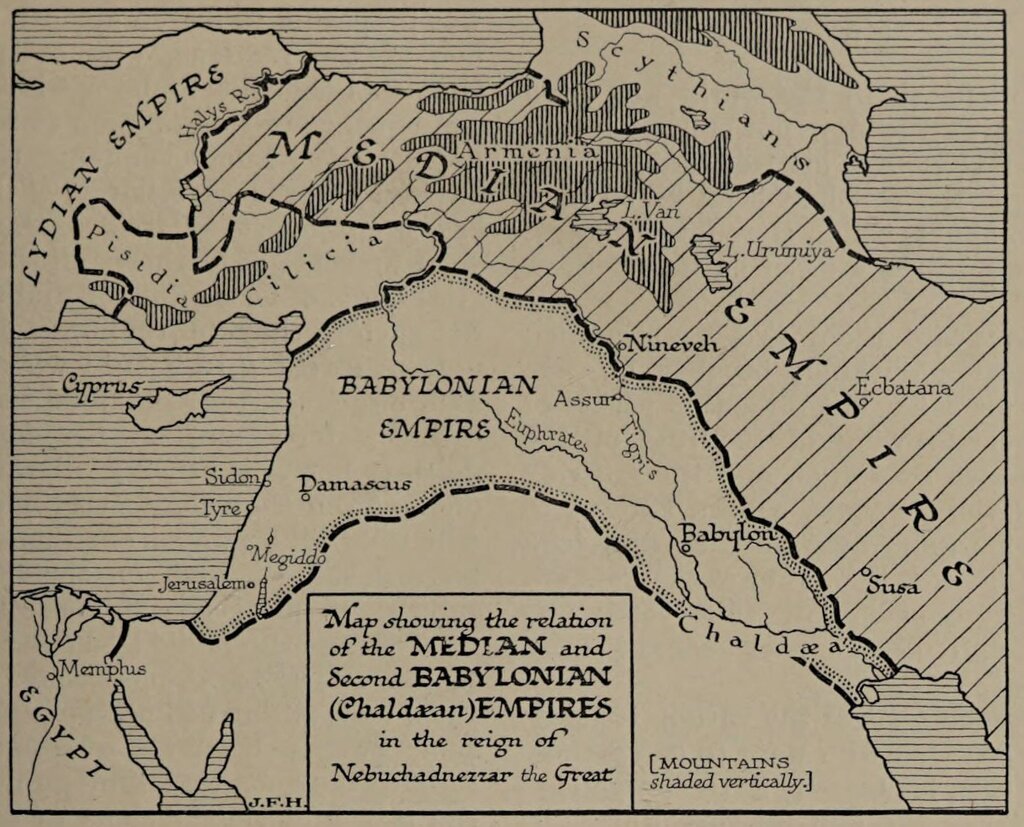
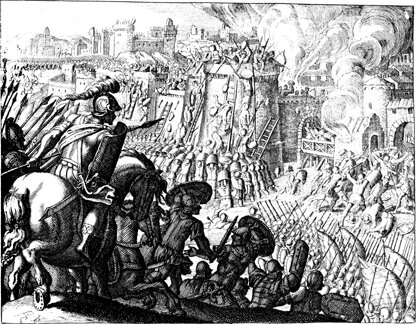
After a series of revolts by Judean kings, Nebuchadnezzar’s patience ran out. His army marched on Judah, and in 586 BCE, they laid siege to Jerusalem. The city fell after a brutal campaign.
Destruction and Exile
The Babylonian conquest was devastating. Nebuchadnezzar’s forces destroyed Jerusalem, including its most sacred site: the First Temple, also known as Solomon’s Temple. For the people of Judah, this was an unimaginable catastrophe. The temple was the center of their religious and national life, the place where they believed God dwelled on Earth.
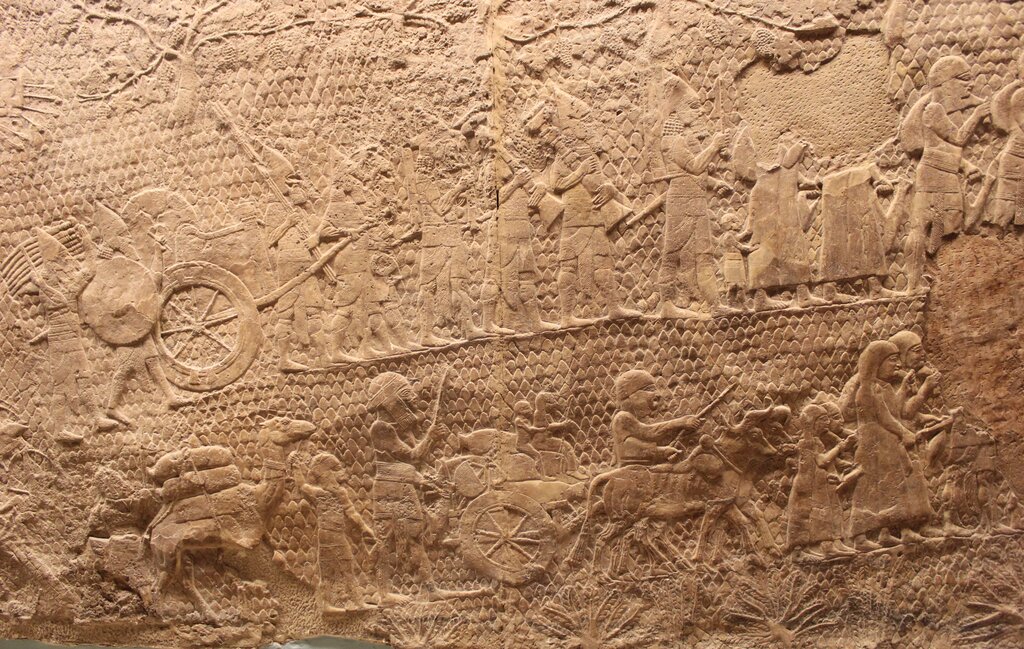
Following the destruction, the Babylonians enacted a policy of forced deportation. They exiled a significant portion of the Jewish population—particularly the priests, scribes, artisans, and elites—to Babylon. This was a strategic move to prevent future uprisings by removing the kingdom’s leadership. The journey was long and arduous, and for the exiles, it marked the beginning of a new, painful chapter in a foreign land.
A Crisis of Faith
Life in Babylon sparked a profound spiritual crisis. The people of Judah had lost their land, their king, and their temple. They were forced to ask: Had their God abandoned them? Was the god of the Babylonians more powerful?
Prophets and religious thinkers of the time wrestled with these questions. They concluded that the disaster was not a sign of God's weakness, but a punishment for their own failings. For generations, they had ignored warnings against idolatry and social injustice. The exile was seen as divine judgment.
God used the Babylonians to punish Judah because the people had turned away from Him by embracing idolatry and injustice.
This reinterpretation had enormous consequences. Before the exile, many ancient Israelites practiced monolatry—the worship of one primary god, Yahweh, while acknowledging the existence of other deities. In Babylon, surrounded by a polytheistic culture, Jewish thought shifted decisively toward true monotheism: the belief that there is only one God in the entire universe. All other gods were declared to be mere idols with no real power.
To preserve their identity and traditions in a foreign land, the exiled scribes and priests began to collect, edit, and write down their sacred texts, laws, and histories. This intense literary activity in Babylon was a crucial step in the formation of the Hebrew Bible.
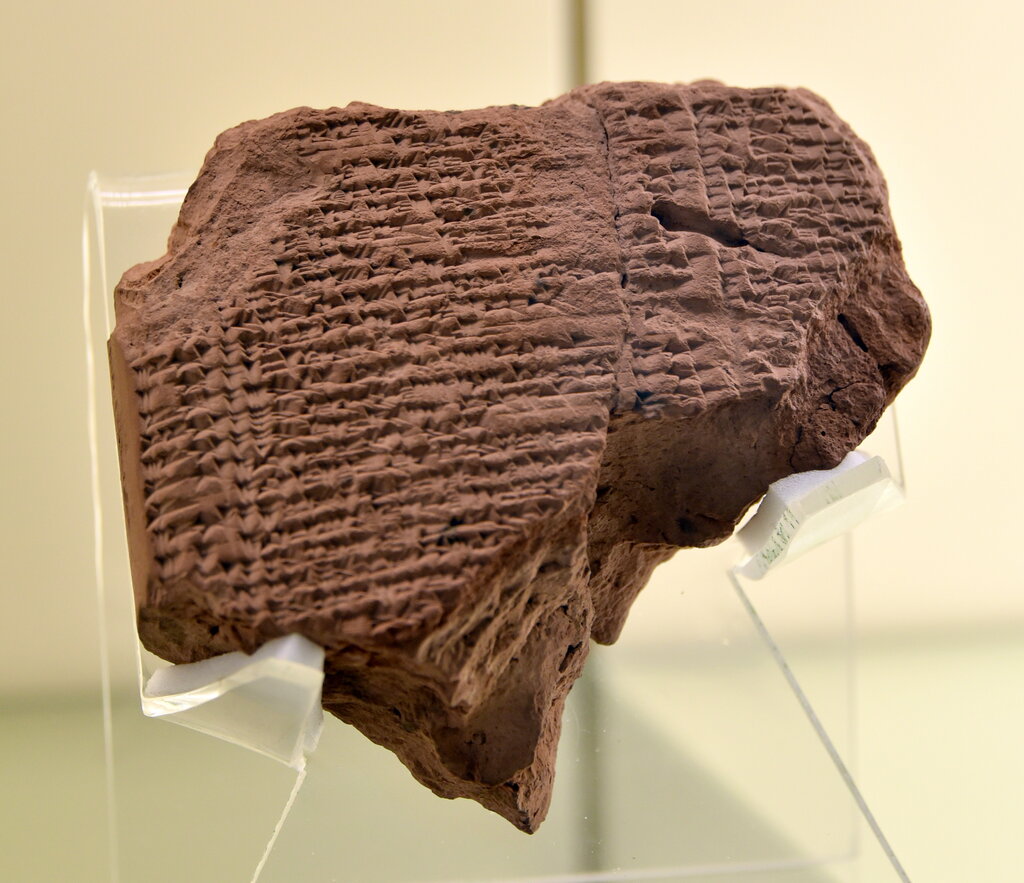
The Babylonian Captivity lasted for about 50 years. Though a period of immense suffering, it fundamentally reshaped Jewish identity and religious belief. It transformed their understanding of God, their covenant, and their place in the world, laying the groundwork for Judaism as it is known today.
Let's review the key events and ideas from this period.
What major event in 586 BCE marked a devastating turning point for the Kingdom of Judah during the Babylonian conquest?
What was the primary strategic reason the Babylonians deported the Judean elites to Babylon?
The Captivity was a period of profound loss, but also of intense religious and cultural development that would echo through the centuries.