Jewish Life and Persecution in Tsarist Russia 1881-1914
Jewish Life in the Russian Empire
The World's Largest Jewish Community
By the late 19th century, the Russian Empire was home to the largest Jewish population in the world, numbering around five million people. This wasn't the result of migration into Russia, but rather the empire's expansion outwards.
Through a series of military victories and political maneuvers in the late 18th century, Russia, along with Prussia and Austria, absorbed the territories of the Polish-Lithuanian Commonwealth. This vast area had been home to a large and vibrant Jewish community for centuries. Suddenly, these Jews found themselves subjects of the Tsar, living within a deeply conservative and often hostile empire.
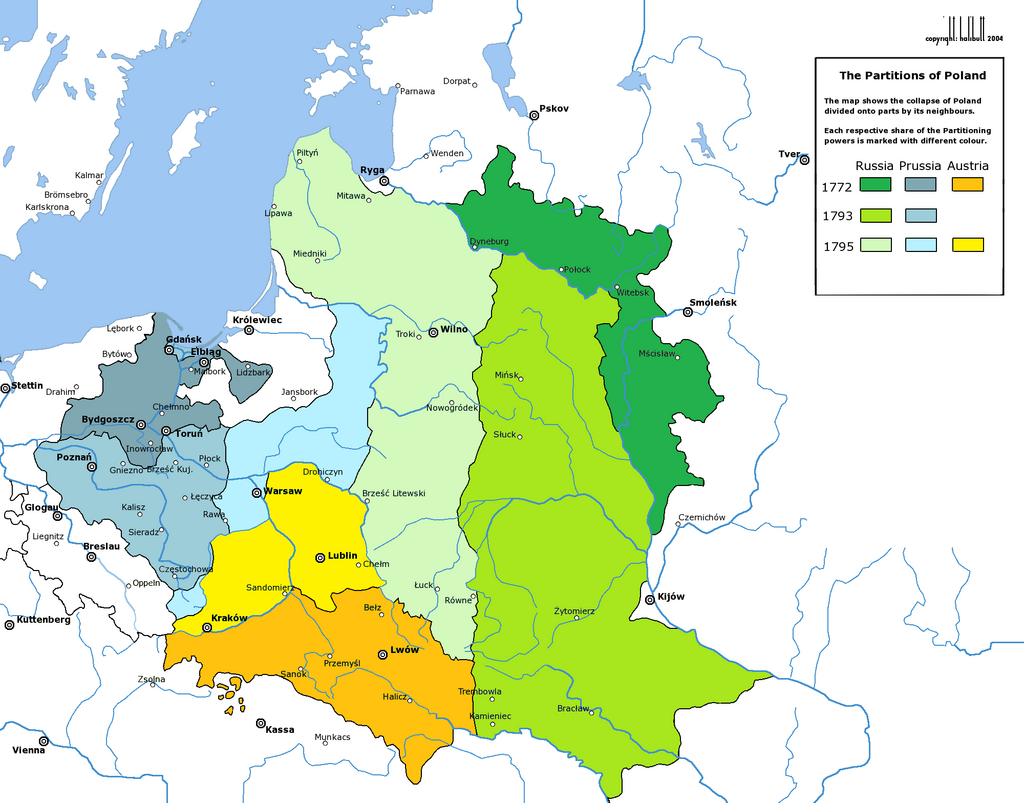
The Russian authorities were unsure how to integrate this massive, culturally distinct population. Their solution was containment. In 1791, Catherine the Great established the Pale of Settlement, a vast territory in the western part of the empire where Jews were legally permitted to live. It stretched from the Baltic Sea to the Black Sea, encompassing modern-day Belarus, Lithuania, Moldova, much of Ukraine, and parts of Poland.
Jews were largely forbidden from settling elsewhere in Russia, including major cities like St. Petersburg and Moscow. The Pale of Settlement effectively turned the largest Jewish community in the world into a captive population.
Life in the Shtetl
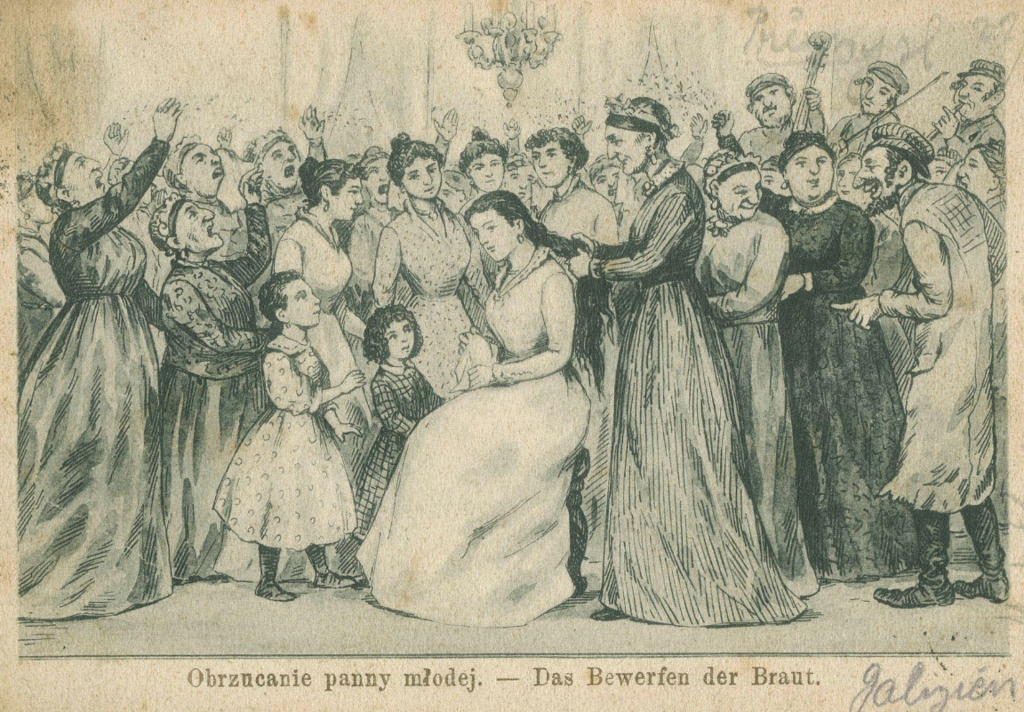
Within the Pale, life was centered in thousands of small market towns and villages known as shtetls. Here, Jews often formed the majority of the population, creating a unique and cohesive Yiddish-speaking world. The shtetl was the heart of Ashkenazi Jewish civilization.
A small Jewish town or village in eastern Europe.
Life revolved around the rhythms of the Jewish calendar, with the synagogue at its center. Religion wasn't a compartment of life; it was life itself. Daily prayers, dietary laws (kashrut), and the observance of the Sabbath and holidays structured each day and week. Education was highly valued, with boys beginning their studies of the Torah and Talmud at a young age in a school called a cheder.
cheder
noun
A traditional elementary school teaching the basics of Judaism and the Hebrew language.
Community life was close-knit and governed by Jewish law (halakha), interpreted by local rabbis. This internal structure provided social services, enforced community norms, and preserved a strong sense of collective identity in the face of external pressures.
Economic Restrictions
The legal restrictions of the Pale profoundly shaped the economic life of Russian Jews. They were generally forbidden from owning agricultural land, which pushed them out of farming, the primary occupation of the Russian peasantry. They were also barred from most government positions.
As a result, Jews were forced into a narrow range of occupations, often serving as intermediaries between the rural peasantry and the wider market. They became artisans, tailors, shoemakers, innkeepers, and small-scale merchants. Many managed the estates of Polish noblemen or were involved in the timber and grain trades.
This economic niche, while essential, created a precarious existence. It made Jews both highly visible and economically vulnerable, often placing them in direct competition with a growing non-Jewish urban class.
By 1880, the Jewish communities of the Russian Empire were at a crossroads. They lived within a self-contained and deeply traditional world, yet were subject to the whims of an autocratic government that viewed them with suspicion. This fragile stability was about to be shattered.