Jewish Life and Legacy in Romania
Interwar Cultural Vibrancy
A Constitutional Turning Point
The end of World War I redrew the map of Europe. For Romania, this meant the creation of 'Greater Romania,' an expanded state that now included Transylvania, Bessarabia, and Bukovina. This territorial growth also brought a massive, diverse Jewish population under Romanian rule, numbering close to 800,000.
A pivotal moment arrived with the 1923 Constitution. For the first time, it granted citizenship to Romania's Jewish inhabitants, at least on paper. This act of emancipation formally ended their long-standing legal status as stateless foreigners and opened the doors to civic and professional life. Jews could now vote, hold public office, and practice law and medicine without the previous barriers. This new legal standing, combined with a post-war economic boom, helped usher in an era of unprecedented cultural and social flourishing in cities like Bucharest, Iași, and Cernăuți.
A Community of Contrasts
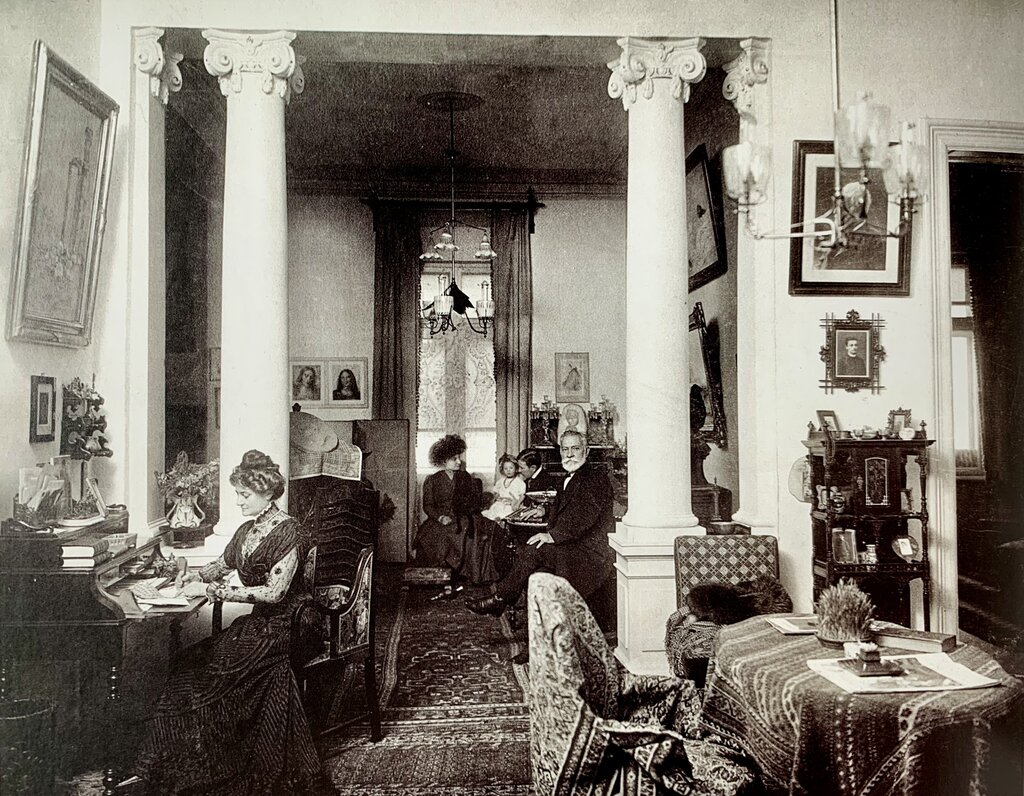
The Jewish community of Greater Romania was not a monolith. It was a mosaic of languages, customs, and religious outlooks, shaped by the different empires that had previously ruled the new territories. In the Old Kingdom, many Jews were Romanian-speaking and increasingly assimilated. In Bessarabia and parts of Moldavia, Yiddish was the dominant language, connecting a vibrant folk culture. In Bukovina and Transylvania, many Jews were culturally German or Hungarian, often belonging to the educated middle class.
This diversity was most striking in its religious expression. The villages of Maramureș were home to deeply traditional, ultra-Orthodox Hasidim, who maintained a way of life steeped in centuries-old customs and insulated from the modern world. In stark contrast, the cafés and salons of Bucharest were filled with secular Jewish intellectuals, writers, and artists who were at the forefront of the Romanian avant-garde. Bridging these poles was Neolog Judaism, a movement originating in Hungary that sought to modernize religious services and integrate more with the surrounding culture.
This internal diversity fueled a dynamic and often contentious political life. Two major organizations emerged to represent Jewish interests. The (Uniunea Evreilor Români), led by the influential Wilhelm Filderman, advocated for integration and worked closely with Romania's mainstream political parties. They believed the best path to security was to prove their loyalty as Romanian citizens. In contrast, the Jewish Party (Partidul Evreiesc) took a more nationalist stance, promoting a distinct Jewish identity and aligning with Zionist ideals. Their debates mirrored the larger questions facing European Jews: assimilation versus self-determination.
An Explosion of Culture
Nowhere was the vitality of this period more evident than in the arts and sciences. Jewish Romanians were not just participants in the culture of modernism; they were often its leaders. Writers like Mihail Sebastian, whose diary would later chronicle the descent into fascism, and Felix Aderca penned some of the era's most important novels. In the visual arts, painters like Marcel Janco, a co-founder of the Dada movement, and Victor Brauner became internationally recognized figures of the surrealist and avant-garde scenes. Jewish architects designed many of Bucharest's iconic modernist buildings, giving the capital a new, cosmopolitan face.
This cultural output was supported by a flourishing press, with numerous newspapers and literary journals published in Romanian, Yiddish, Hebrew, German, and Hungarian. Theaters, particularly the Yiddish theaters in Bucharest and Iași, were wildly popular, staging everything from classic dramas to vaudeville.
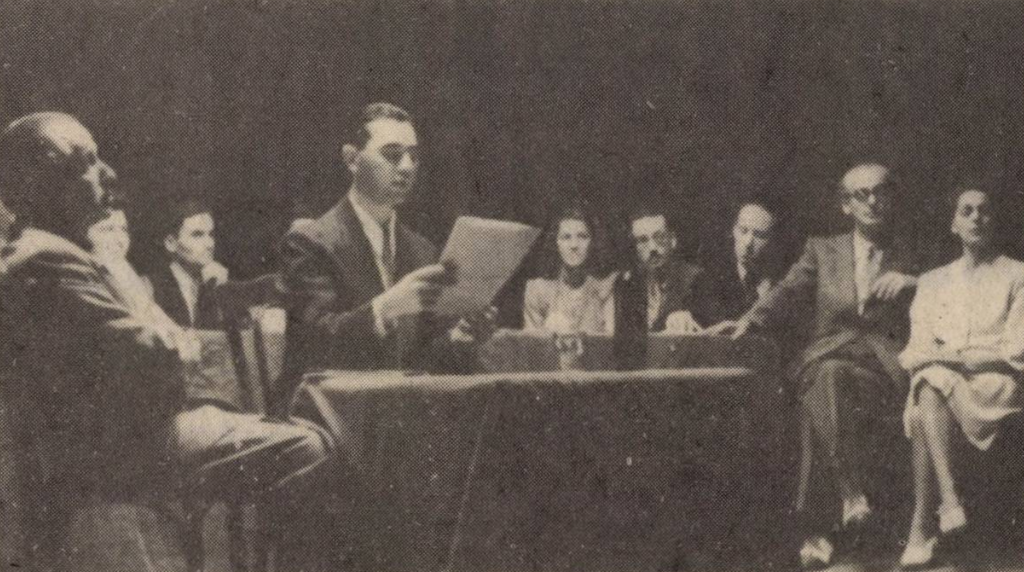
This golden age was, however, tragically brief. The very visibility and success of the Jewish community fueled a backlash from a growing far-right movement. While Jewish artists and thinkers were helping to define Romanian modernity, nationalist groups were promoting an ideology of ethnic purity that had no place for them. This vibrant, diverse world was living on borrowed time.
Let's review the key aspects of this complex period.
What major constitutional change in 1923 significantly altered the status of the Jewish population in Greater Romania?
Which statement best describes the Jewish community in Greater Romania during the interwar period?
The interwar flourishing of Jewish life in Romania provides a crucial 'before' picture, highlighting the immense cultural and social loss that the Holocaust would soon inflict.