Jesus's Languages
Introduction to First-Century Judea
A Land Under Occupation
First-century Judea was a land of overlapping authorities and simmering tensions. At the top was the Roman Empire. Rome didn't always rule directly, but its power was absolute. After conquering the region in 63 BCE, they installed local rulers to keep the peace and collect taxes. These were the Herodian kings, a dynasty started by Herod the Great.
By the time of Jesus, Herod's kingdom had been split among his sons. A Roman governor, called a prefect or procurator, oversaw the region from the coastal city of Caesarea. The most famous of these was Pontius Pilate. This layered system meant a Jewish farmer could be paying taxes to a local Herodian prince, the Roman state, and the Temple in Jerusalem.
For the Jewish people, the ultimate local authority was the Sanhedrin. This was a council of elders and priests in Jerusalem that acted as a supreme court for civil and religious law. However, their power was limited. They couldn't impose the death penalty, for example, without the Roman governor's approval.
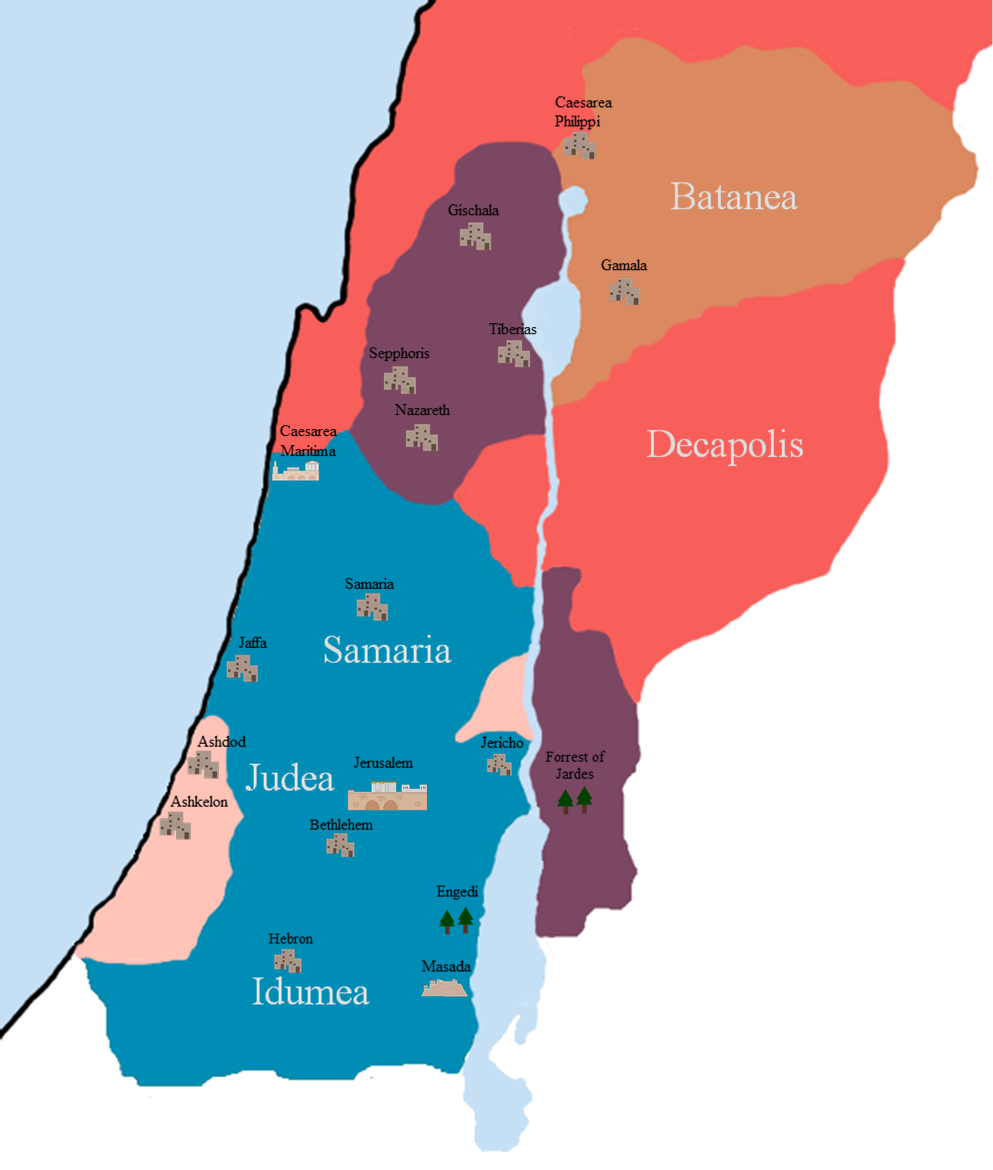
This political arrangement created constant friction. The presence of Roman soldiers, pagan symbols on coins, and the heavy tax burden were daily reminders of foreign occupation. This environment fueled a deep longing for liberation and the fulfillment of prophecies about a messiah who would restore Israel's sovereignty.
Daily Life and Economy
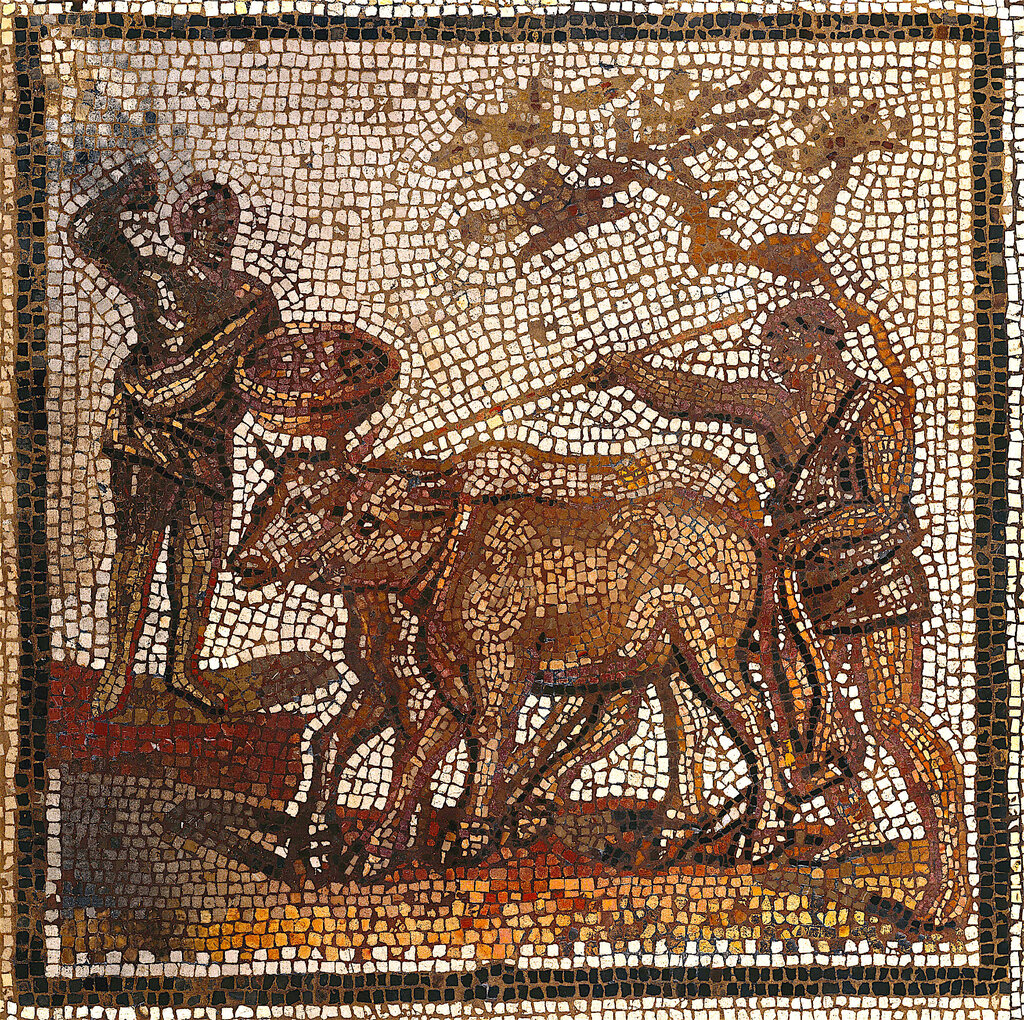
Most people in first-century Judea lived a simple, agrarian life. The economy was based on farming and herding. Families grew wheat, barley, olives, and grapes. They raised sheep and goats. In the region of Galilee, fishing in the lake was a major industry.
The society was sharply divided. A small, wealthy elite, including the high priestly families and associates of the Herodian court, lived in comfort. The vast majority of the population were poor peasants, laborers, and small-craftsmen. Many were tenant farmers, working land they didn't own and giving a large portion of their harvest to the landowner.
Jerusalem was the economic and religious heart of the nation. The Second Temple was not just a place of worship; it was a massive economic engine. Pilgrims flocked to the city for major festivals, bringing business to merchants and artisans. The Temple itself functioned almost like a national bank, and the priestly class controlled considerable wealth.
Religious Life
Religion wasn't a separate part of life; it was life itself. Jewish identity was centered on the covenant with God, the Law of Moses (the Torah), and the Temple in Jerusalem. The Temple was the only place where sacrifices could be offered, presided over by priests and Levites.
synagogue
noun
A local building where a Jewish assembly or congregation meets for religious worship and instruction.
Away from Jerusalem, the synagogue was the center of community life. It was a place for prayer, reading of scripture, and education. Within this deeply religious society, several distinct groups emerged with different interpretations of the law and tradition.
| Group | Core Beliefs |
|---|---|
| Pharisees | Believed in strict observance of the Torah and oral traditions. Believed in resurrection and angels. Respected by the common people. |
| Sadducees | Mainly aristocratic and priestly families. Accepted only the written Torah and rejected concepts like resurrection. Held power in the Temple. |
| Essenes | A monastic group that often lived in isolated communities, like Qumran near the Dead Sea. Practiced a strict, communal lifestyle. |
| Zealots | A radical political movement that advocated armed rebellion to drive the Romans out of Judea. |
These groups represented the major streams of thought and politics within Judaism at the time. Their debates and disagreements shaped the religious and social landscape that Jesus navigated.
A Cultural Crossroads
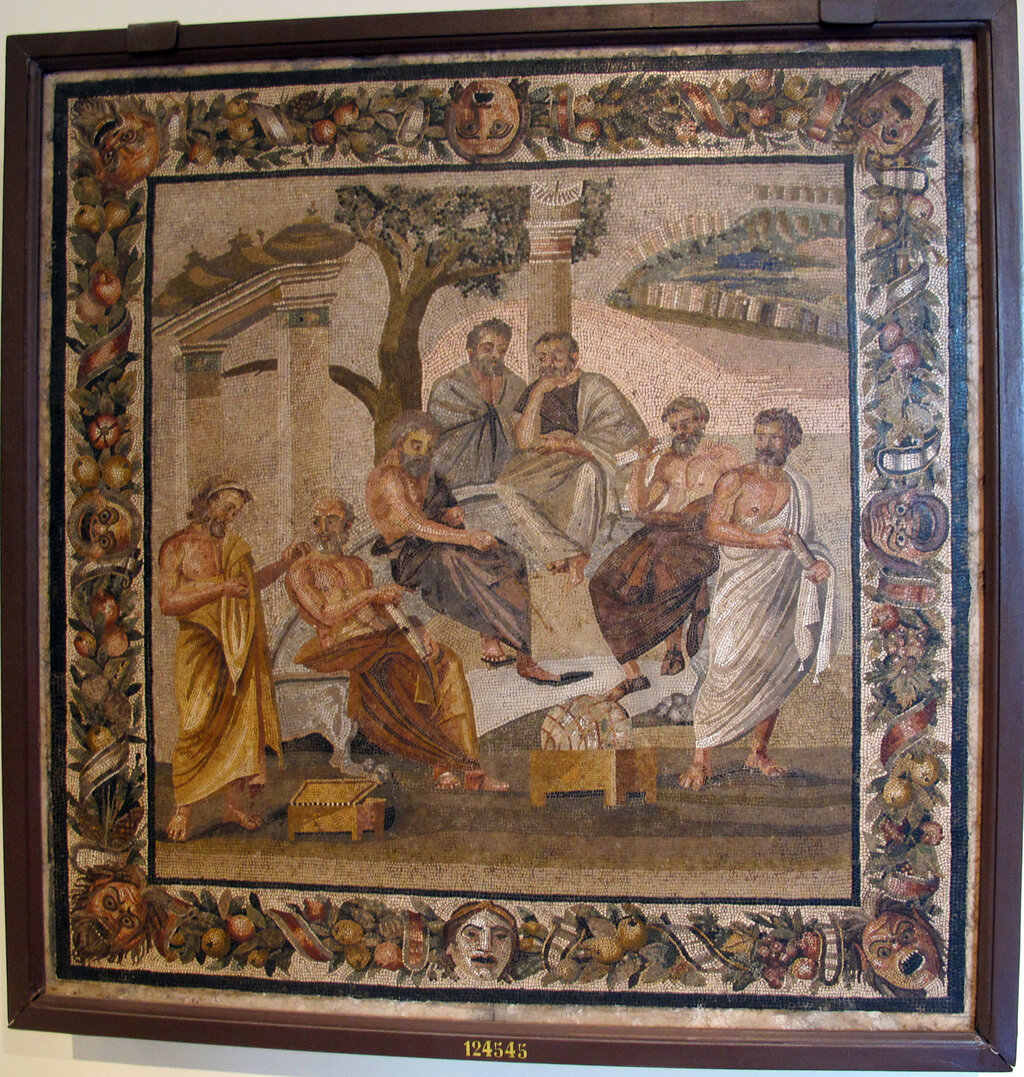
Judea was a Jewish land, but it was not isolated. For centuries, it had been exposed to Hellenism, the Greek culture spread by Alexander the Great. Greek was the language of trade, government, and the educated elite throughout the eastern Mediterranean. Many cities in and around Judea were built in the Greek style, with theaters and gymnasiums.
Now, Roman culture was the newest influence. Roman roads, aqueducts, and military presence were impossible to ignore. This created a multicultural environment, especially in cities like Caesarea and Jerusalem. A person might live in a Jewish village, speak Aramaic at home, use Greek to sell their goods in the market, and need to understand a little Latin when dealing with a Roman soldier. This complex world of colliding cultures is the essential backdrop for the events of the New Testament.
Understanding this setting—the political occupation, the economic pressures, the intense religious devotion, and the mix of cultures—is key to understanding the world in which Jesus and his followers lived and spoke.