Jesus of Nazareth: Life and Legacy
Historical Context
A Land Under Occupation
To understand 1st-century Judea, you first have to picture a land under foreign control. The Roman Empire was the superpower of the day, and Judea was one of its many provinces. This wasn't a gentle partnership; it was an occupation. Roman legions patrolled the streets, Roman governors made the big decisions, and Roman tax collectors gathered revenue for the emperor.
For the Jewish people, this was a constant source of tension. Their land, which they believed was promised to them by God, was being ruled by outsiders who worshipped different gods and enforced different laws. The political climate was always simmering with resentment. Rome installed local client kings, like Herod the Great and his sons, to manage daily affairs. While these rulers were Jewish, they owed their power to Rome, and many people saw them as puppets.
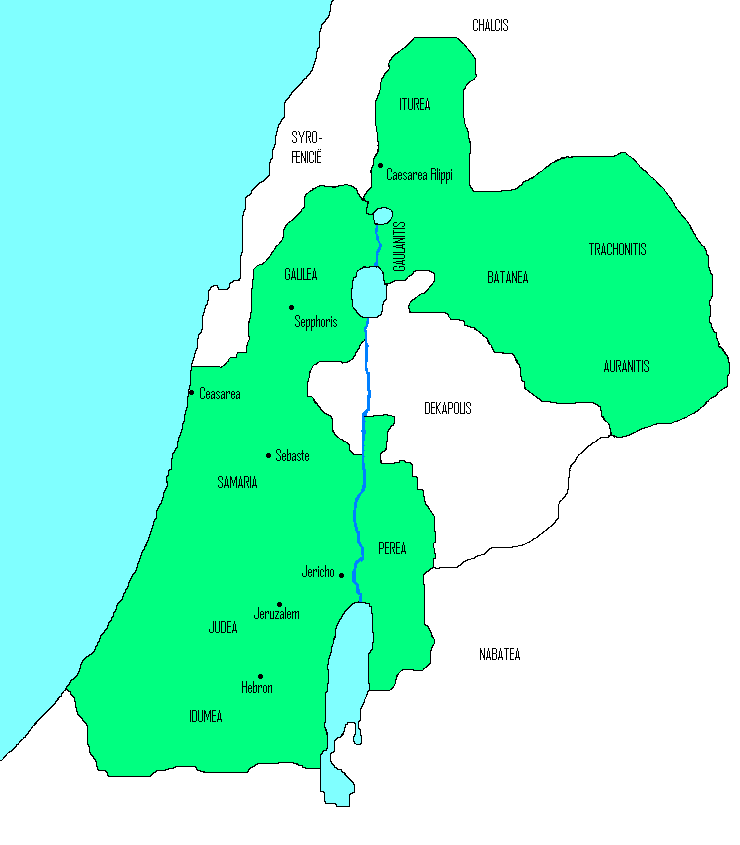
One of the most important aspects of studying biblical events is grasping the historical and cultural background in which they occurred.
Factions and Philosophies
The Jewish people weren't a single, unified bloc. Faced with Roman domination and questions about their own traditions, different groups emerged with very different ideas about how to live. These weren't political parties in the modern sense, but more like schools of thought or social movements. Four of the most prominent groups were the Pharisees, the Sadducees, the Essenes, and the Zealots.
| Sect | Key Beliefs | Relationship with Rome |
|---|---|---|
| Pharisees | Followed both written Torah and oral traditions; believed in resurrection. | Pragmatic; tolerated Roman rule while focusing on religious purity. |
| Sadducees | Rejected oral traditions and resurrection; focused only on the written Torah. | Cooperative; held power through the Temple and Roman support. |
| Essenes | Believed society was corrupt; sought purity through communal living. | Withdrawn; separated themselves into isolated communities. |
| Zealots | Believed God alone was their ruler; advocated violent rebellion. | Hostile; actively fought against Roman occupation. |
The Pharisees were influential teachers and scholars who had the respect of the common people. They believed that faithfulness to God meant applying the laws of the Torah to every aspect of daily life, guided by generations of oral interpretation.
The Sadducees were the establishment. This group consisted mainly of wealthy priests and aristocrats who controlled the Jerusalem Temple. They were conservative in their religious views and pragmatic in their politics, often collaborating with the Romans to maintain their power and the stability of the Temple system.
The Essenes were separatists. Disgusted by what they saw as the corruption of the Temple and society, they withdrew into monastic-style communities, like the one at Qumran where the Dead Sea Scrolls were found. They lived disciplined, communal lives, awaiting a final divine intervention to purify the world.
Finally, the Zealots were revolutionaries. They were a loose collection of militant groups who believed that any cooperation with pagan Rome was a betrayal of God. They advocated for armed insurrection and were a constant thorn in the side of the Roman authorities.
Daily Life and Faith
For the average person, life revolved around agriculture, family, and religious observance. Most people were farmers or craftsmen living in small villages. The rhythms of life were dictated by the seasons of planting and harvesting, and by the calendar of religious festivals.
The Jerusalem Temple was the center of Jewish religious life. It was the only place where the most important sacrifices could be offered, and devout Jews made pilgrimages there for major holidays like Passover, Shavuot (Pentecost), and Sukkot (Feast of Tabernacles). The Temple was not just a religious site; it was a massive economic engine and a powerful national symbol.
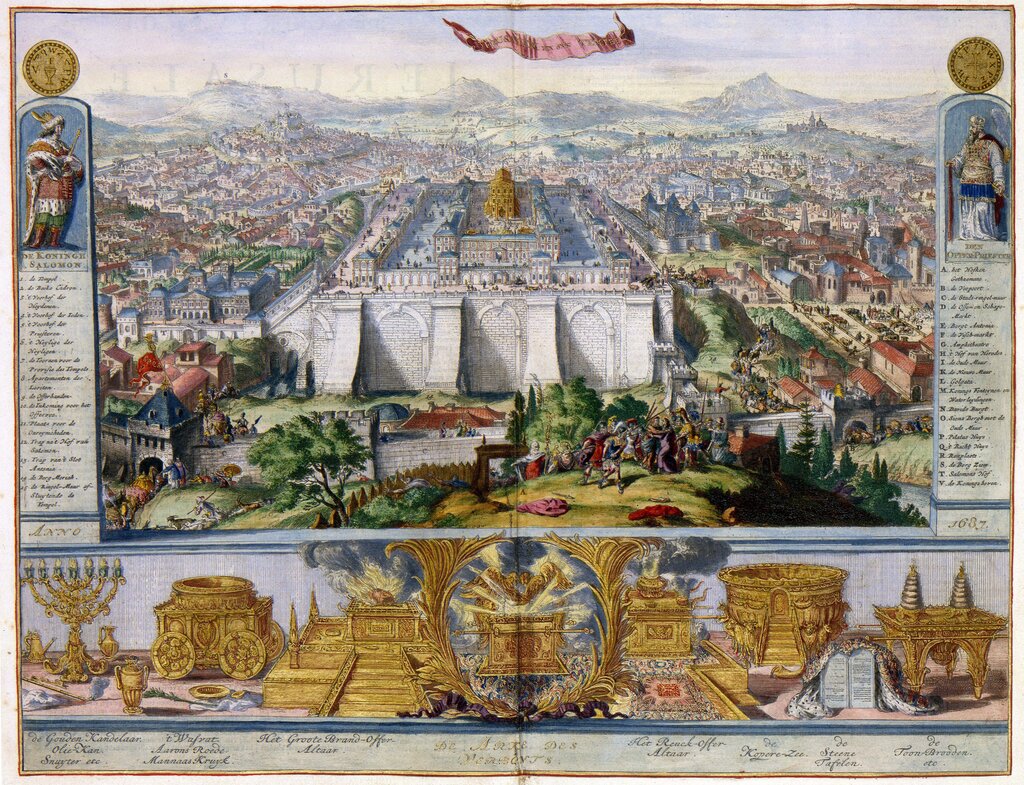
Away from Jerusalem, local synagogues served as community centers. They were places for prayer, reading of the Torah, and education. It was here that most people encountered religious teaching and debated the meaning of the scriptures. This vibrant, and often tense, world—a mix of deep religious faith, political frustration, and diverse ideas about the future—was the world into which Jesus of Nazareth was born.
Let's check your understanding of this complex historical setting.
What was the political status of Judea in the 1st century CE?
Which Jewish group consisted mainly of wealthy priests and aristocrats who collaborated with the Roman authorities to maintain their power and the stability of the Temple?
Understanding this background is the first step. It provides the stage upon which the events of the New Testament unfolded, giving context to the conflicts, questions, and hopes of the people who lived them.