Jesus Christ: Life and Legacy
Historical Context
Judea Under Roman Rule
In the 1st century, the land of Judea—the heart of the ancient Jewish homeland—was a province on the eastern edge of the vast Roman Empire. This wasn't a partnership of equals. Rome was the superpower, and its legions enforced a tense and often brutal occupation. Roman governors and appointed local kings held the power, collected taxes, and maintained order, by force if necessary.
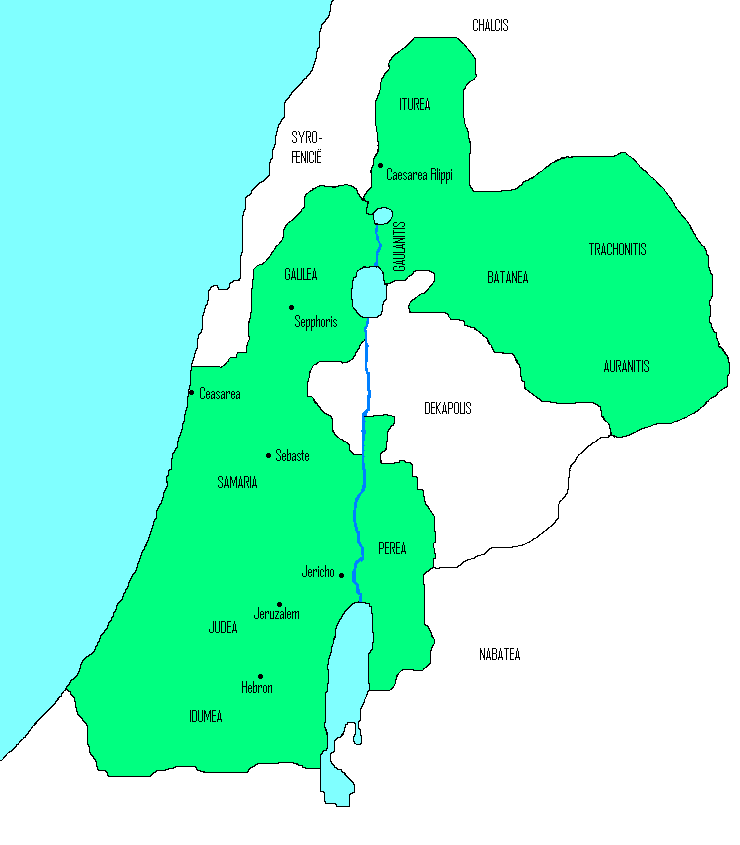
Life under foreign rule created a constant friction. For the Jewish people, Roman customs, polytheistic religion, and the emperor's divine claims were deeply offensive to their monotheistic faith. This political and cultural clash shaped daily life and fueled a powerful sense of anticipation and unrest.
Understanding these contexts helps modern readers grasp the significance of Jesus’ actions and teachings, the plight and hope of ancient Israel, and the enduring message of God’s dominion over all earthly powers.
Key Figures of Power
Two figures cast long shadows over this period: Herod the Great and Pontius Pilate.
Herod the Great, who ruled Judea from 37 to 4 BCE, was a master politician and an ambitious builder. Appointed by Rome, he was known for his ruthlessness in eliminating rivals—even his own family. He undertook massive construction projects, most famously a grand expansion of the Second Temple in Jerusalem. While this act was meant to win favor with his Jewish subjects, his loyalty to Rome and his own cruelty made him widely despised.
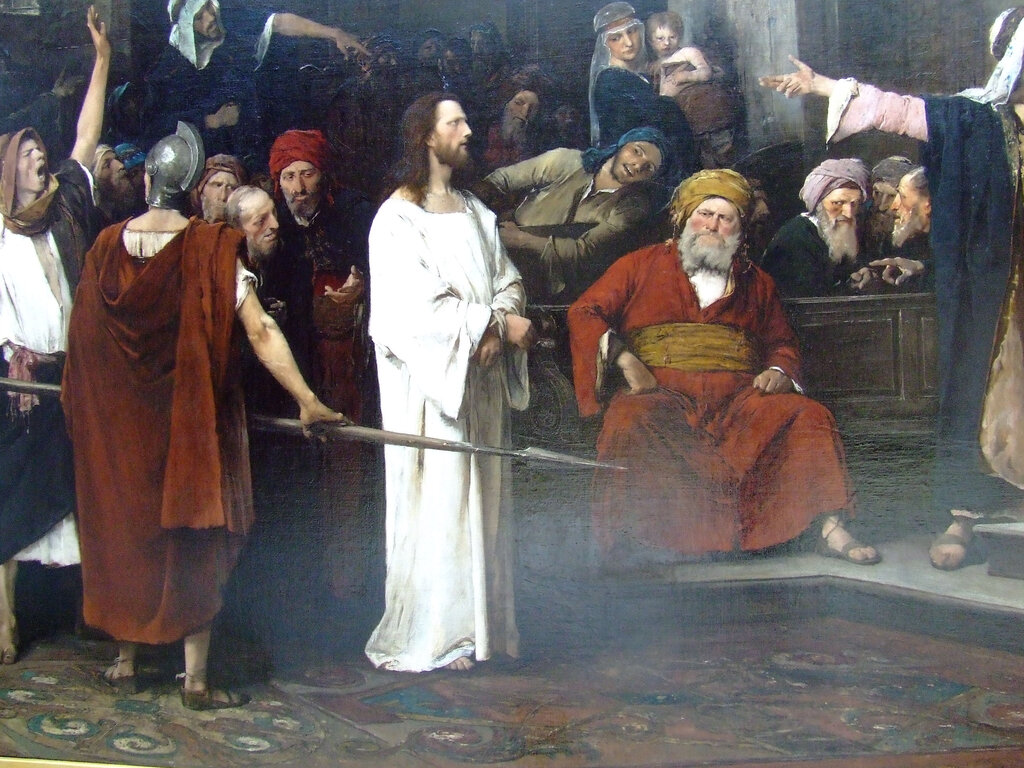
Decades later, Pontius Pilate governed Judea as a Roman prefect from 26 to 36 CE. Unlike Herod, who was a client king, Pilate was a direct Roman authority figure. Historical accounts describe him as inflexible and insensitive to Jewish religious traditions, leading to several violent confrontations. He was the ultimate symbol of Roman power in the region during Jesus' adult ministry.
A People Awaiting a Savior
The weight of Roman oppression intensified a long-held Jewish hope: the coming of the Messiah. The word Messiah comes from the Hebrew mashiach, meaning "anointed one," referring to the ancient practice of anointing kings and priests with oil.
But what kind of Messiah were people expecting? Hopes varied widely. Many longed for a political and military leader, a new King David who would smash the Roman legions and restore Israel's independence. Others looked for a priestly figure who would purify the Temple and its leadership. Some anticipated a cosmic judge, a heavenly figure who would bring about a final, divine judgment on the world.
Though the details differed, the core expectation was the same: God would send a chosen agent to deliver his people from oppression and inaugurate a new era of justice and peace.
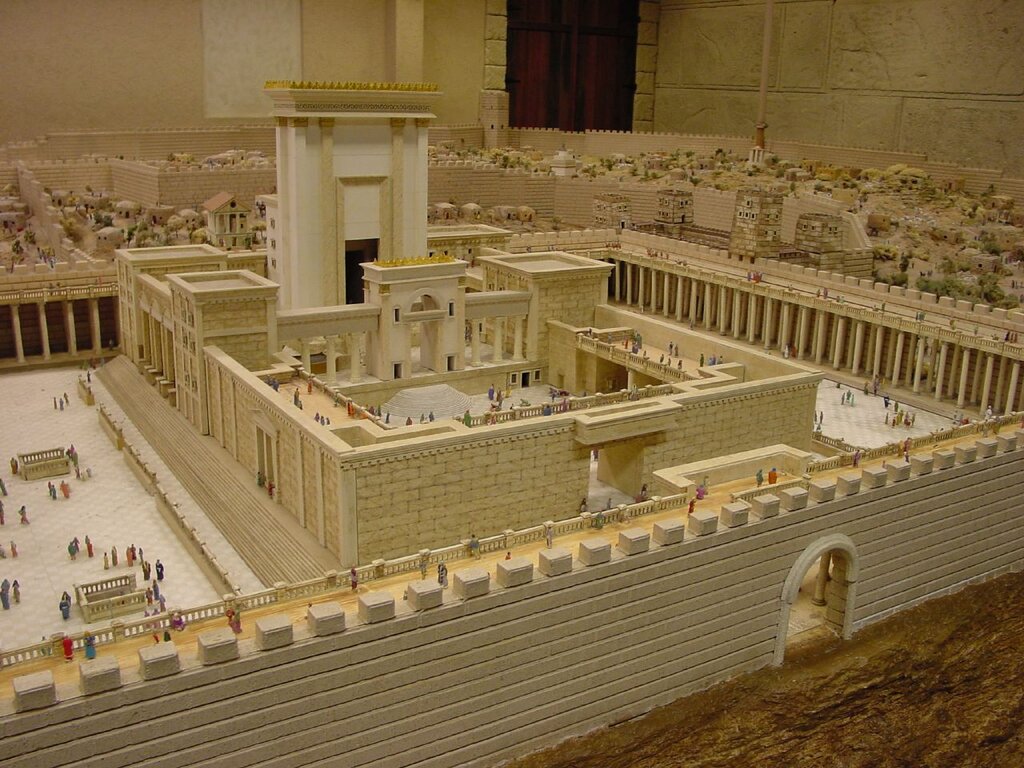
The center of Jewish religious life was the Second Temple in Jerusalem. It was the only place where the most sacred rituals, like animal sacrifices for the atonement of sins, could be performed. Three times a year, Jews from all over the Mediterranean would make a pilgrimage to the Temple for major festivals: Passover, Pentecost, and Tabernacles. These festivals were not only religious events but also massive social gatherings where news and ideas spread quickly.
Within this shared religious life, different groups debated how best to live out their faith under Roman rule. The Sadducees were the wealthy, priestly aristocracy who controlled the Temple and cooperated with Roman authorities to maintain their power. The Pharisees were lay experts in Jewish law who emphasized personal piety and adherence to scripture in everyday life. Other groups, like the Essenes, withdrew into monastic communities, while zealous revolutionaries believed that only violent rebellion could oust the Romans.
This was the complex, tense, and expectant world into which Jesus of Nazareth was born. It was a world of foreign domination, vibrant religious debate, and a deep yearning for a savior.
What best describes the political status of Judea during the 1st century CE?
Which of the following was NOT a common expectation for the Messiah among Jews in the 1st century?