Jesus Christ and Early Christianity
Historical Context
A Land Under Occupation
The world of first-century Judea was a pressure cooker. For decades, the region had been under the thumb of the rapidly expanding Roman Empire. Roman legions patrolled the streets, and Roman governors, called prefects or procurators, held the ultimate authority. Their primary goals were simple: keep the peace and collect taxes. For the Jewish people, this was a constant source of tension. Their land, promised to them by God, was occupied by a foreign, pagan power.
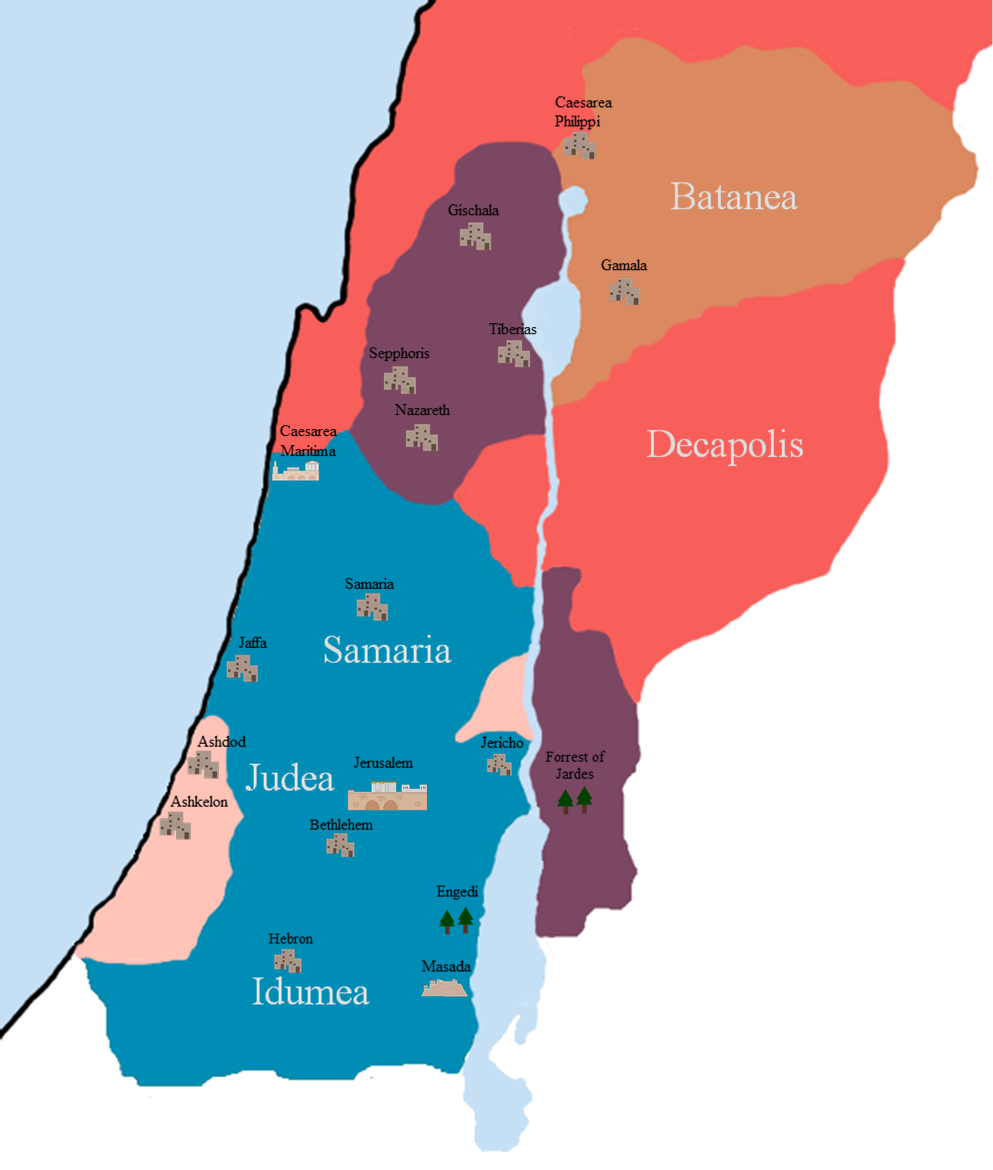
To manage this restive province, Rome relied on a system of local client kings. The most famous of these was the Herodian dynasty, starting with Herod the Great. The Herodians were ethnically Idumean but practiced Judaism. They were tasked with a difficult balancing act: enforce Roman demands while respecting local Jewish religious customs enough to prevent a full-scale revolt. They were builders, funding massive projects like the renovation of the Second Temple in Jerusalem. But they were also tyrants, known for their brutality and loyalty to Rome, which made them deeply unpopular with many of their subjects.
A Divided People
Beneath the surface of Roman and Herodian rule, Jewish society was far from unified. Different groups wrestled with the same fundamental question: how should we live out our faith in a world controlled by outsiders? This led to the formation of several distinct religious and political factions, each with its own answer.
| Sect | Key Beliefs & Power Base |
|---|---|
| Pharisees | Experts in Jewish law, popular with the common people. Believed in the resurrection of the dead. |
| Sadducees | The wealthy, priestly aristocracy who controlled the Temple. More willing to cooperate with Rome. |
| Essenes | A monastic group that withdrew from society to live in the desert, awaiting divine intervention. |
| Zealots | Revolutionaries who believed armed rebellion was the only way to drive out the Romans and restore Israel's independence. |
The Pharisees were influential teachers who focused on applying the Torah, or Jewish Law, to everyday life. They created a body of oral tradition to help people stay faithful in a changing world. The Sadducees, on the other hand, were the establishment. They were the priests and aristocrats who ran the Jerusalem Temple, the center of Jewish religious life. They were politically conservative and rejected many of the Pharisees' newer ideas, like the resurrection of the dead.
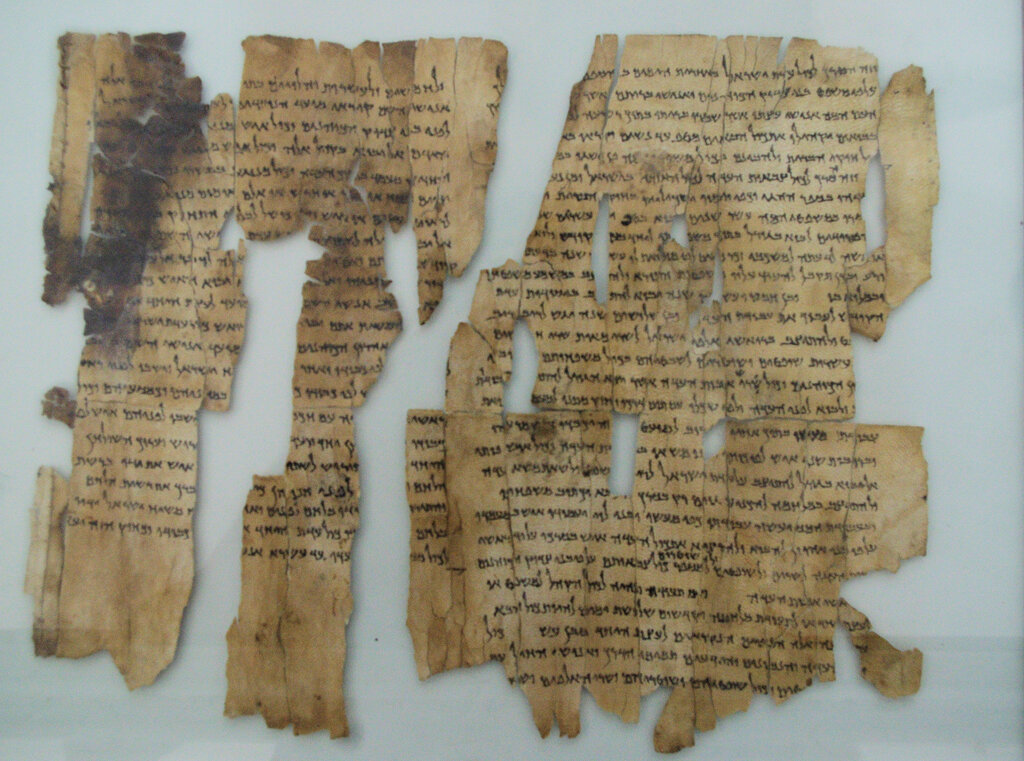
Other groups took more extreme positions. The Essenes saw mainstream society as corrupt and retreated to the desert to live in ascetic communities, like the one at Qumran where the Dead Sea Scrolls were discovered. At the opposite end of the spectrum were the Zealots, a loose coalition of militants who advocated for violent revolt against Rome.
Waiting for a Savior
This simmering pot of political oppression and religious division created a powerful longing for a Messiah. The Hebrew scriptures promised that God would one day send a chosen one, an “anointed one,” to rescue Israel. But what would this rescuer look like?
Messianic expectation was not a single idea but a spectrum of hopes. There was no one-size-fits-all job description for the Messiah.
Many hoped for a warrior king in the mold of King David, who would gather an army, smash the Roman legions, and restore an independent Jewish kingdom. This was the Messiah the Zealots were waiting for.
Others envisioned a priestly figure who would purify the Temple and restore religious integrity. Some even imagined a cosmic, almost angelic figure who would descend from heaven to judge the world and inaugurate a new age of peace and righteousness.
This was the complex and volatile world of first-century Judea: a land of deep faith and tradition, groaning under foreign rule and torn by internal disagreements, desperately waiting for deliverance.
Let's review the key groups and concepts from this period.
What was the primary role of the Herodian dynasty in Judea from the perspective of the Roman Empire?
Which Jewish faction consisted primarily of priests and aristocrats who ran the Jerusalem Temple and were generally conservative, rejecting newer ideas like the resurrection of the dead?