Jesus as a Teenager
Historical Context
A Land Under Occupation
In the early first century, the lands of Judea and Galilee were under the firm grip of the Roman Empire. While Rome allowed some local governance, its authority was absolute. After the death of Herod the Great, his kingdom was divided among his sons. A young Jesus in Galilee would have lived under the rule of Herod Antipas, a client king who answered to Rome. Judea, to the south, was initially ruled by another son, Archelaus, but by Jesus's teenage years, it was under direct Roman administration, governed by a prefect like Pontius Pilate.
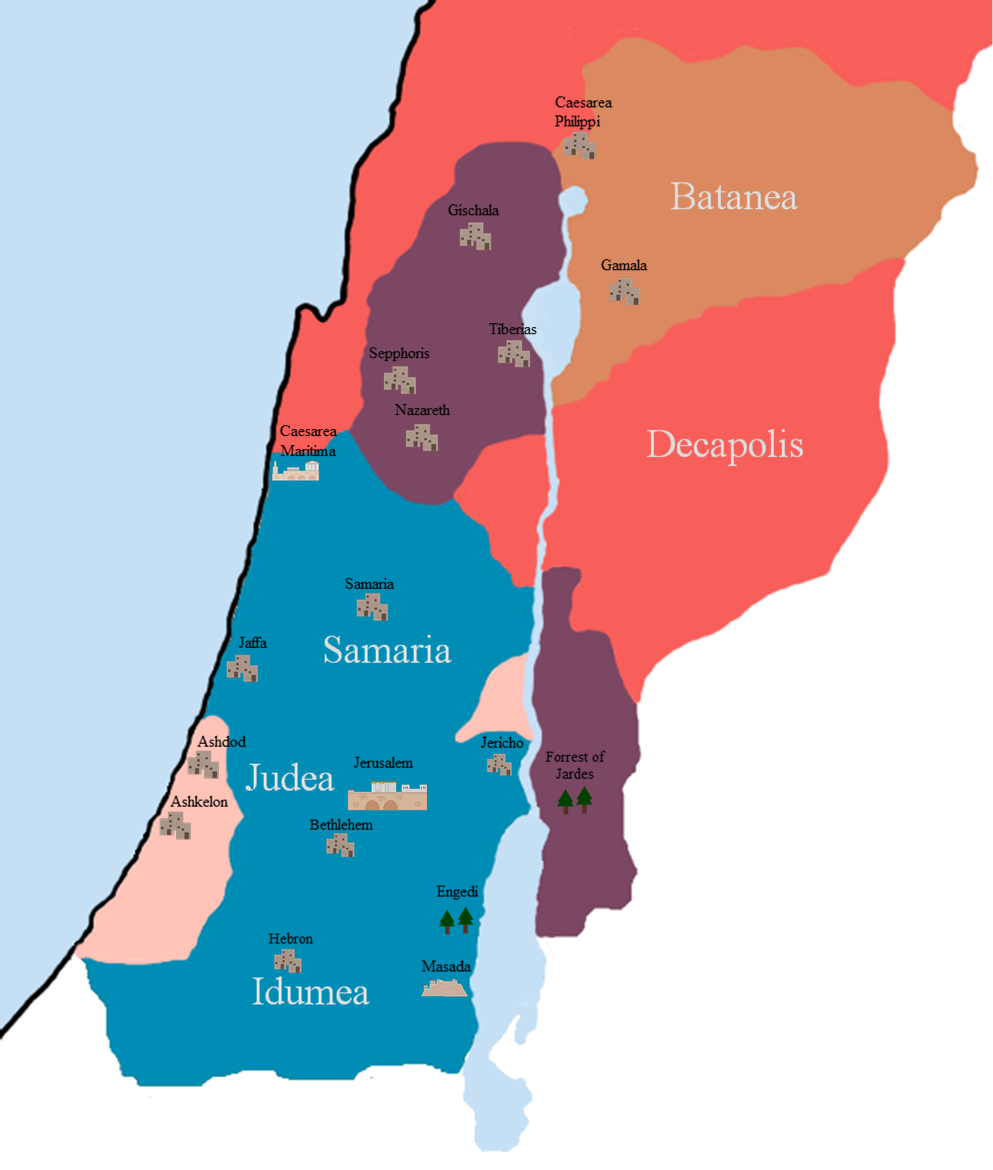
This political arrangement created a constant, underlying tension. Roman legions were a visible reminder of foreign occupation, and heavy taxes were a constant burden. For ordinary people, life was a balancing act between navigating local Jewish customs and obeying the powerful, often unpredictable, Roman authorities. Resentment simmered just beneath the surface of daily life, occasionally boiling over into open revolt.
The Rhythm of Faith
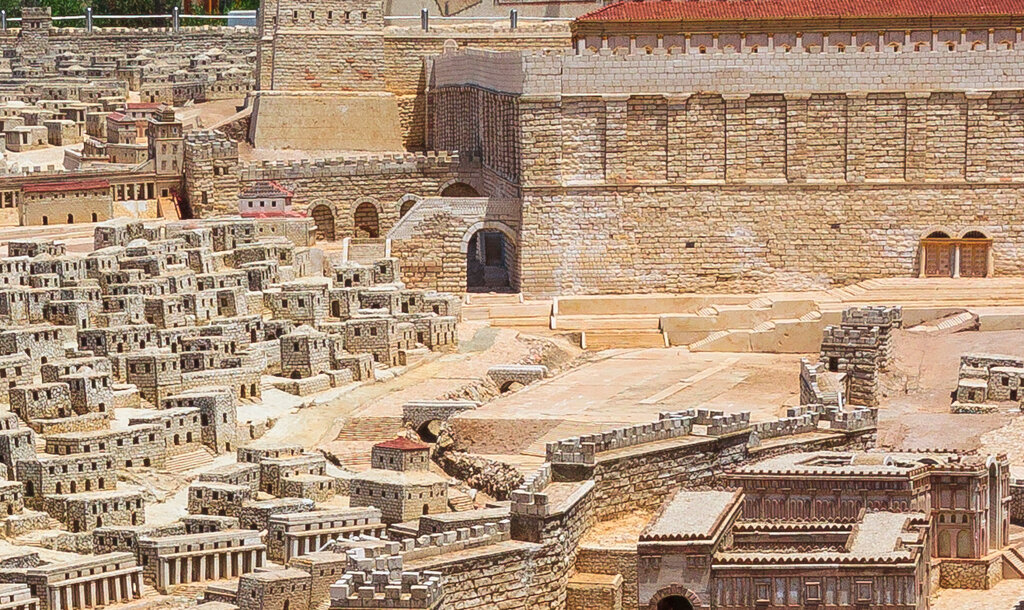
Religious life was the very center of Jewish society. Everything revolved around the magnificent Temple in Jerusalem. It wasn't just a place of worship; it was the spiritual, social, and economic heart of the nation. It was here that priests performed the daily sacrifices prescribed by Jewish law, and where a sense of national identity was forged.
While the Temple was the ultimate destination, day-to-day religious life took place in local synagogues. Found in towns and villages across the land, these were community centers for prayer, reading the Torah, and educating young boys. The synagogue was the place where the scriptures came alive for the common person, read aloud in Hebrew and then translated into Aramaic, the everyday spoken language.
Life was marked by weekly Sabbath observance and the great annual festivals like Passover, Pentecost, and Tabernacles, which drew pilgrims to Jerusalem from all over.
A Place for Everyone
First-century Jewish society had a clear hierarchy. At the top were the priestly families and the wealthy aristocracy, many of whom were Sadducees. They controlled the Temple and often collaborated with the Roman rulers. The Pharisees were another influential group, respected for their scholarship and strict observance of religious law. Scribes, the experts in the law, were also held in high regard for their ability to read, write, and interpret sacred texts.
scribe
noun
A professional copyist of manuscripts and documents, and an expert interpreter of Jewish law.
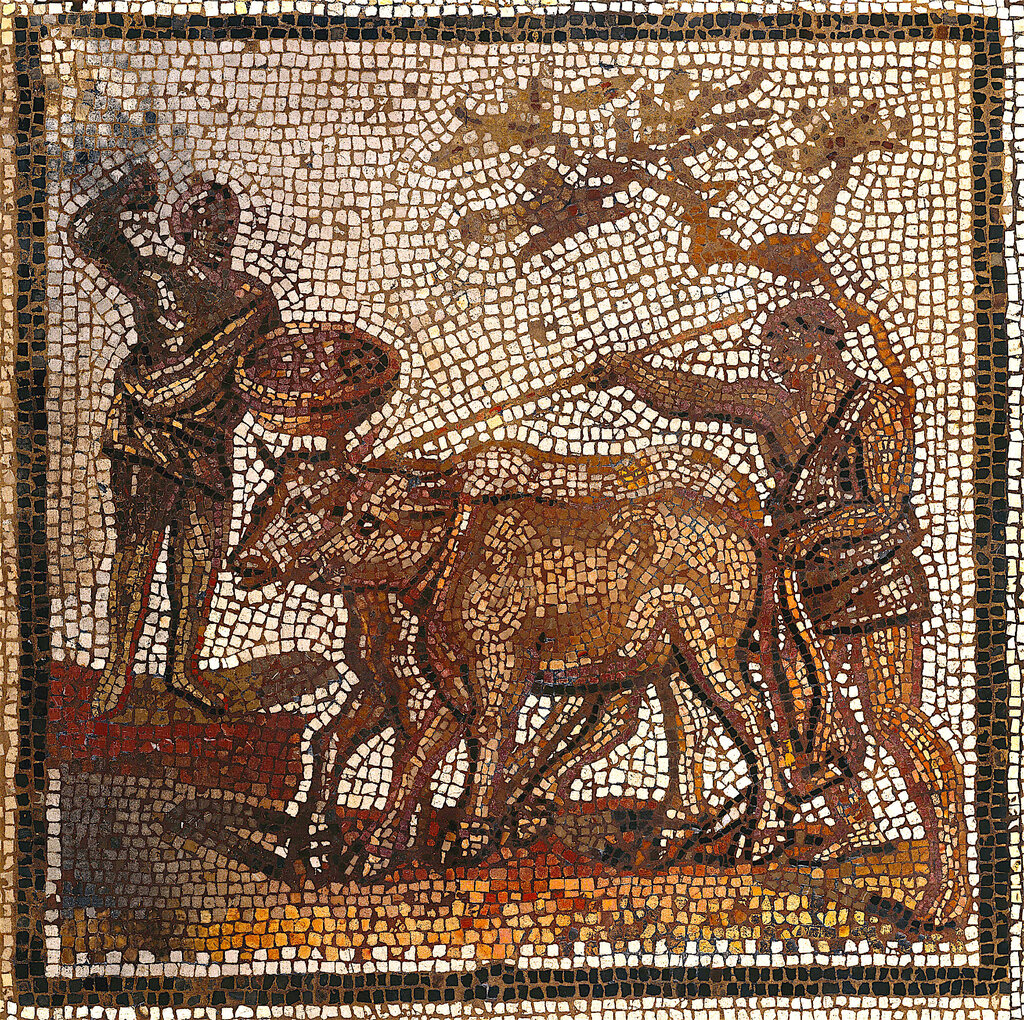
However, the vast majority of people were not part of this elite. They were farmers, fishermen, shepherds, and skilled laborers like carpenters and masons. For them, life was about hard work and providing for their families. The family was the fundamental unit of society. Homes were typically simple, often consisting of one or two rooms, and extended families frequently lived together or in close proximity. A person's identity was deeply connected to their family, their village, and their trade.
Understanding this world—a place of foreign rule, deep faith, and strong community ties—is key to understanding the environment that shaped a young man from Nazareth.