Jazz Improvisation Over Chords
Jazz Fundamentals
The Roots of Jazz
Jazz was born in the late 19th and early 20th centuries in New Orleans, Louisiana. It’s a uniquely American art form, created primarily by African Americans. The music grew from a rich blend of cultural and musical traditions, mixing African rhythms and call-and-response patterns with European harmonies and instruments.
Its earliest ingredients were blues and ragtime. The blues gave jazz its soulful, emotional core and characteristic "blue notes"—notes played at a slightly different pitch for expressive effect. Ragtime, a popular piano style at the time, contributed its syncopated or "ragged" rhythms, which gave the music an exciting, off-beat pulse.
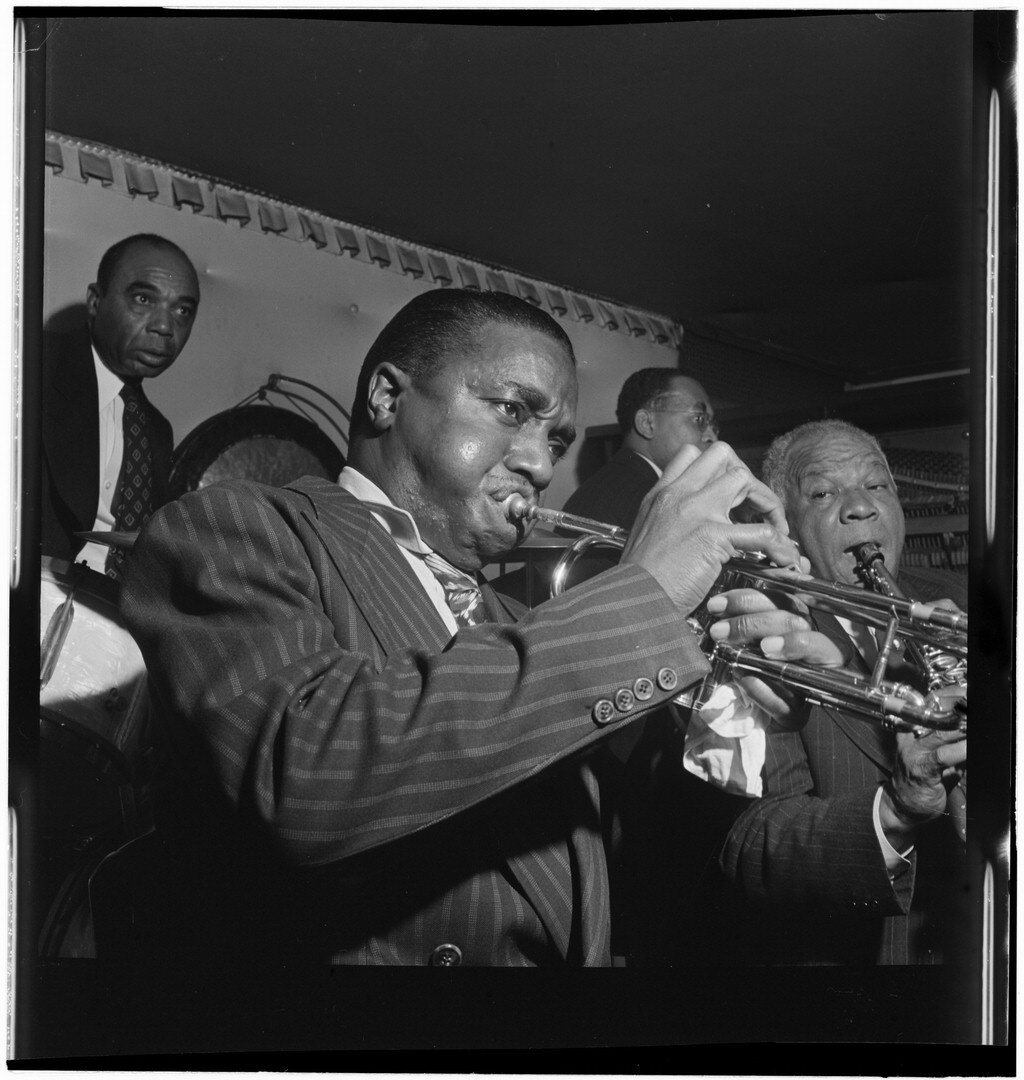
From these beginnings in the vibrant, multicultural melting pot of New Orleans, jazz spread up the Mississippi River to cities like Chicago and New York. As it traveled, it evolved, absorbing new influences and branching into a wide array of styles.
A Journey Through Jazz Styles
Jazz isn't just one sound; it's a family of musical styles that have developed over the last century. Each has its own flavor and feel.
| Style | Era | Key Characteristics |
|---|---|---|
| Swing | 1930s–1940s | Played by large "big bands." Strong, danceable rhythm. Arrangements were often written, but with room for improvised solos. |
| Bebop | 1940s | Fast tempos, complex melodies, and intricate harmonies. Played by smaller groups. Focused on virtuosic improvisation. |
| Cool Jazz | 1950s | A reaction to Bebop's intensity. More relaxed, subdued, and lyrical. Often featured formal arrangements and softer dynamics. |
| Modal Jazz | Late 1950s | Based on musical modes (a type of scale) rather than chord progressions. This gave improvisers more harmonic freedom. |
| Fusion | 1970s | Blended jazz with elements of rock, funk, and R&B. Used electric instruments like electric guitar, bass, and synthesizers. |
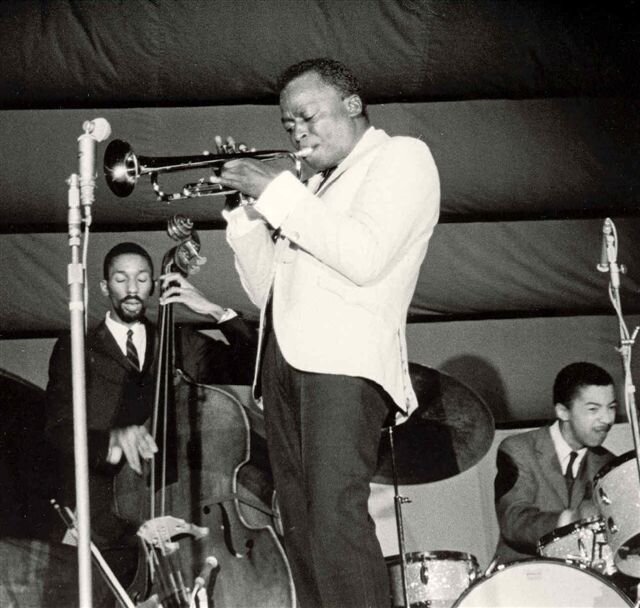
These are just a few stops on the jazz timeline. Each style built upon what came before, showing how the music continually adapted and reinvented itself.
The Heart of Jazz
Improvisation is a central element of jazz, allowing musicians to create and interpret melodies, rhythms, and harmonies in real-time.
If there's one thing that ties all forms of jazz together, it's improvisation. This is the act of composing and performing music spontaneously. In most jazz performances, musicians will play a main melody, called the "head," then take turns creating their own solos over the song's chord progression. After the solos, they typically return to play the head one last time to finish.
Think of it as a conversation. The musicians are listening and reacting to each other in the moment. A soloist tells a story with their instrument, the rhythm section supports them, and together they create something new every single time they play. This emphasis on spontaneous creation is what makes jazz so exciting and dynamic. No two performances are ever exactly the same.
Ready to test your knowledge of these jazz fundamentals?
In which city did jazz originate in the late 19th and early 20th centuries?
What are the two primary musical styles considered the main ingredients of early jazz?
Understanding these core concepts—the history, the styles, and the role of improvisation—gives you the foundation for appreciating and eventually playing jazz.