JavaScript Fundamentals for Beginners
Introduction to JavaScript
What is JavaScript?
Think of a website as a house. HTML is the frame and the walls. It provides the basic structure. CSS is the paint, furniture, and decorations. It handles the style and appearance, making the house look good. But what makes the house functional? What happens when you flip a light switch or turn a doorknob?
That's where JavaScript comes in. It's the electrical wiring and plumbing of the website. JavaScript makes web pages interactive. When you click a button, see a pop-up alert, or watch an image gallery slide to the next picture, you're seeing JavaScript at work. It turns a static page into a dynamic experience.
JavaScript adds behavior to your web pages.
Created in 1995 in just 10 days, JavaScript was originally meant for simple tasks inside web browsers. Today, it's one of the most popular programming languages in the world, capable of building complex web applications, server-side applications, and even mobile apps.
Your Development Toolkit
To start writing JavaScript, you don't need much. You already have the most important tool: a web browser. Every modern browser like Chrome, Firefox, or Safari has a JavaScript engine built right in. You'll also want a good code editor, which is a text editor designed for writing code.
While you can use a basic text editor, a dedicated code editor offers features like syntax highlighting and autocompletion that make coding much easier. A great free option is Visual Studio Code (VS Code).
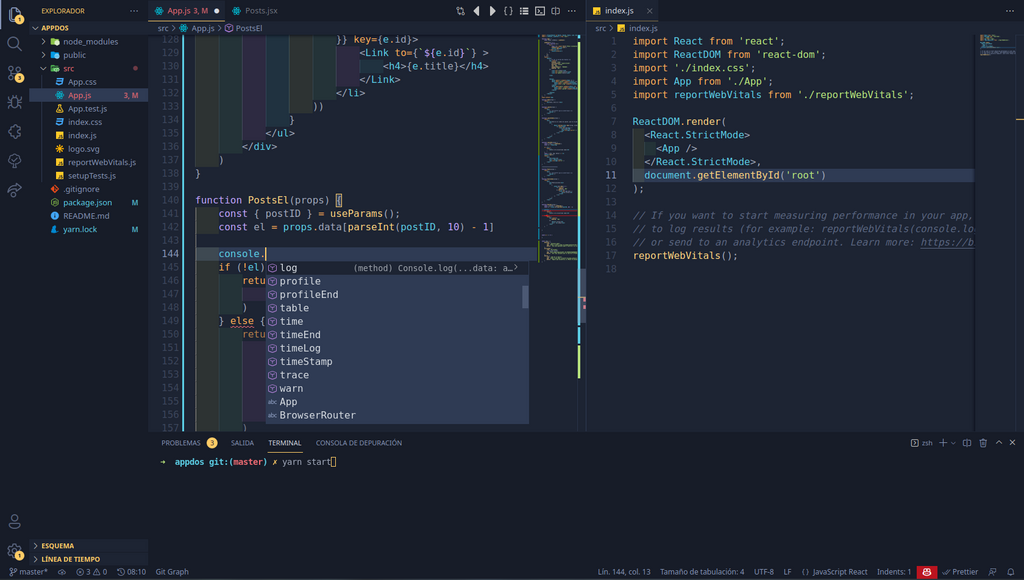
Once you have an editor, your browser is your testing ground. Modern browsers come with developer tools that let you see what's happening behind the scenes. The most important part for us is the console. It's a place where you can run JavaScript code directly and see output messages from your scripts. You can usually open it by right-clicking anywhere on a webpage and selecting "Inspect," then finding the "Console" tab.
The Basic Rules of the Road
Like any language, JavaScript has its own grammar, or syntax. Let's look at the foundational pieces.
Statement
noun
A single instruction or action in a program. Think of it as a complete sentence.
A JavaScript program is a series of statements. Each statement tells the computer to do something. A common practice is to end each statement with a semicolon (;). While JavaScript is sometimes forgiving if you forget one, it's a good habit to use them. It clearly separates one instruction from the next.
console.log("Hello, world!");
let name = "Alice";
Sometimes you want to leave notes in your code for yourself or other developers. These are called comments. The JavaScript engine ignores them completely. You can write a single-line comment with two forward slashes (//) or a multi-line comment by wrapping your text between /* and */.
// This is a single-line comment.
let color = "blue"; // Comments can also go at the end of a line.

/*
  This is a multi-line comment.
  It's useful for longer explanations.
*/
With these basics, you're ready to start writing your first lines of JavaScript. It’s all about giving the browser a list of instructions, one statement at a time.