Java Security Essentials
Java Security Basics
Security Isn't an Add-On
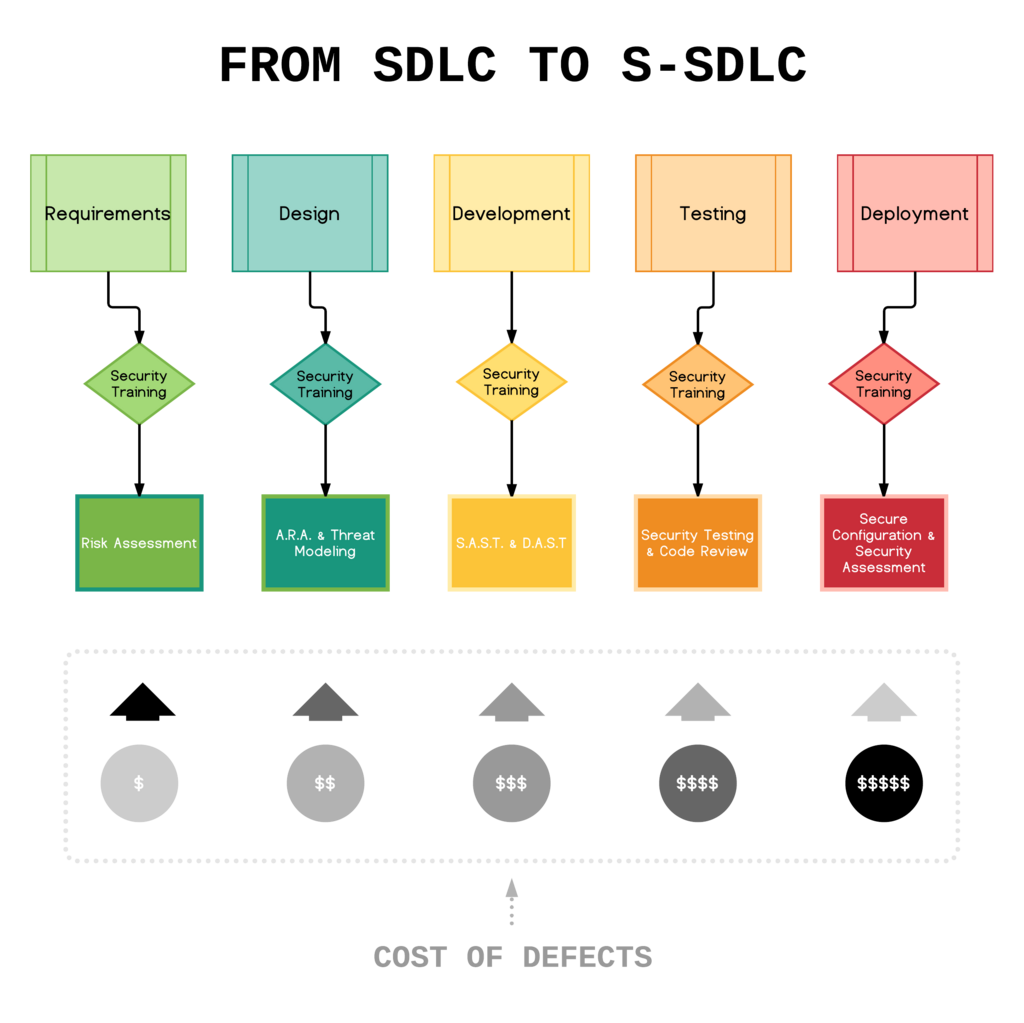
Building a Java application is like constructing a house. You wouldn't build the walls and roof, then think about adding locks to the doors as a final step. Security, like locks and a strong foundation, needs to be part of the plan from the very beginning. In software, this is called secure coding.
Secure coding is the practice of writing programs that are resistant to attack. Java is used everywhere, from banking systems to Android apps, which makes it a prime target for attackers. While the language has many built-in security features, they don't work automatically. It's the developer's responsibility to use them correctly and build applications that protect user data and maintain trust.
Secure coding is a fundamental requirement of modern software development, encompassing web, mobile, cloud-native, and IoT applications.
Failing to prioritize security can lead to data breaches, financial loss, and damaged reputations. Writing secure code isn't just about preventing bad things from happening; it's about building robust, reliable software that people can depend on.
Knowing the Risks
You don't need to be a security expert to start thinking defensively, but you do need to understand the common threats. Java applications, like any software, face risks that generally fall into a few categories:
- Data Exposure: Attackers gain access to sensitive information, like user credentials, personal details, or financial records.
- Unauthorized Control: Malicious actors manipulate the application to perform actions it shouldn't, such as deleting data or granting themselves administrative privileges.
- Service Disruption: The application is overwhelmed with bogus requests, crashing it or making it unavailable for legitimate users.
These threats often exploit small, overlooked mistakes in the code. That’s why a vigilant, security-aware approach is so crucial.
A good rule of thumb: treat all external data as untrustworthy until it has been validated. This includes user input, files, and data from other systems.
Your Security Checklist
Building secure applications involves a consistent, proactive process, not just a one-time check. Here are the core practices to integrate into your workflow.
Lifecycle
noun
The entire process of software development, from the initial idea and planning stages through to deployment and long-term maintenance.
Keep Everything Updated
The Java Development Kit (JDK), Java Runtime Environment (JRE), and all the third-party libraries you use receive regular security patches. Running outdated versions is like leaving a window open for intruders. Attackers actively scan for systems using old software with known vulnerabilities. Make it a habit to keep your entire Java environment and its dependencies up to date.
Perform Regular Security Assessments
Just as you test your code for bugs, you need to check it for security weaknesses. This can be done through manual code reviews, where another developer examines the code for potential flaws. You can also use automated tools that scan your code for common security anti-patterns. Regular assessments help you catch vulnerabilities before your application is deployed.
Adopt a Security-First Mindset
This is the most important principle. Security-first means thinking about potential attacks as you write every line of code. Ask questions like:
- Could this input be manipulated to do something harmful?
- Does this user have the right permissions to perform this action?
- Am I revealing too much information in error messages?
This mindset transforms security from a chore into an integral part of writing high-quality code. It’s about building defenses in from the start, not trying to patch holes later.
Let's check your understanding of these core security concepts.
What is the primary goal of secure coding in Java?
An attacker floods a Java web application with so many bogus requests that it crashes and becomes unavailable to legitimate users. What category of threat does this fall under?
By making these practices a regular part of your development process, you can significantly reduce the risk of security breaches and build more trustworthy Java applications.