Java Loops for High Schoolers
Computer Programming Logic
The Computer's Recipe
Think of a computer program as a recipe. Each line of code is a step, and the computer is the chef. Just like a chef follows a recipe to bake a cake, a computer follows a program to complete a task. The steps must be in the correct order. You wouldn't frost a cake before you bake it, and you wouldn't tell a computer to show a result before it's been calculated.
A is simply a sequence of instructions that a computer can follow. These instructions might be simple, like adding two numbers, or incredibly complex, like guiding a self-driving car. The computer executes these instructions very quickly, but it has no common sense. It does exactly what it's told, nothing more and nothing less.
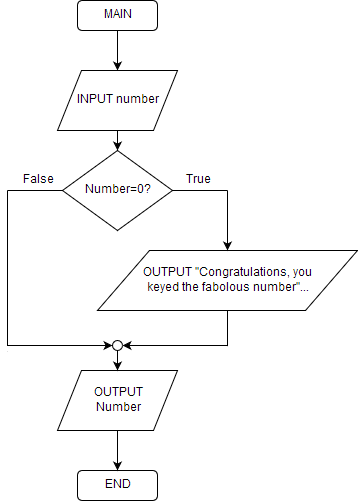
Most programs work with some form of input and produce an output. In our recipe analogy, the ingredients like flour and sugar are the input. The finished cake is the output. For a computer, input could be a number you type, a click of a mouse, or data from a file. The output could be text on the screen, a saved document, or a sound playing from the speakers.
Precision is Everything
Imagine trying to explain how to make a peanut butter and jelly sandwich to someone who has never seen food before. You couldn't just say, "Make a sandwich." You'd have to be incredibly specific.
- Pick up two slices of bread.
- Open the peanut butter jar.
- Scoop some peanut butter with a knife.
- Spread the peanut butter on one slice of bread.
And so on. Computers are like that. They need a detailed, step-by-step to do anything. They can't guess what you mean or fill in the blanks. If you forget a step or put one in the wrong order, the program won't work as you expect.
A computer follows your instructions exactly. It cannot guess or assume what you mean.
Automating Repetitive Tasks
So why bother with all this precision? Because once you write the instructions, the computer can perform them tirelessly and millions of times faster than a human could. This is the real power of programming: automation.
Suppose your sandwich recipe required you to stir the jelly 100 times. As a human, you'd get bored and lose count. As a programmer, you wouldn't write the instruction "stir the jelly" 100 times. Instead, you'd find a way to tell the computer, "Repeat this stirring action 100 times."
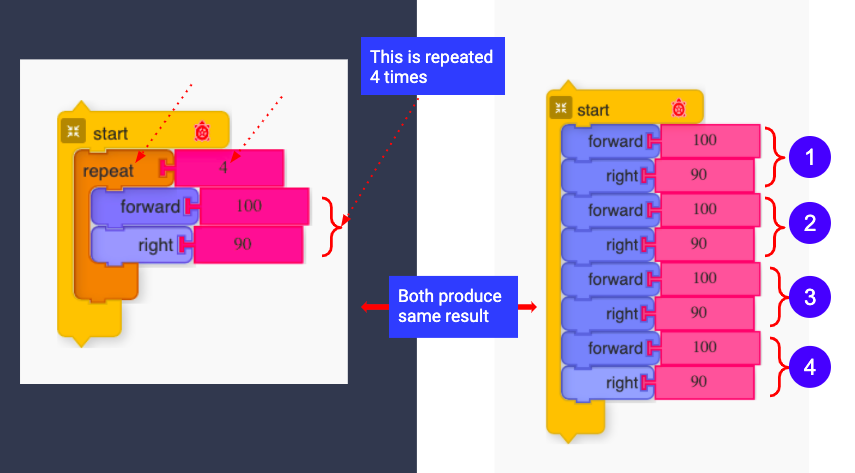
This concept of repeating actions without rewriting code is a cornerstone of programming. It saves time, reduces errors, and makes our programs powerful. By learning to give clear, sequential, and efficient instructions, you are building the fundamental mindset needed to make computers do amazing things.
Based on the reading, what is the best analogy for a computer program?
In the recipe analogy, what do the ingredients like flour and sugar represent?
Thinking like a computer—logically and step-by-step—is the first and most important skill in programming. With this foundation, you're ready to learn how to write the instructions themselves.