Japan's Economy Carry Trade and Takaichi Policies
Japan's Economic History
The Closed Country
For over two centuries, from 1603 to 1868, Japan was a world unto itself. During the Edo period, the ruling Tokugawa shogunate enforced a policy of national seclusion known as sakoku. Foreign trade was heavily restricted, limited to a small Dutch outpost in Nagasaki. This isolation fostered a unique and self-sufficient domestic economy.
The system was feudal. Society was strictly divided into classes: samurai warriors, farmers, artisans, and merchants. The economy ran on rice, which was used to pay taxes and stipends to the samurai. While agriculture was the foundation, bustling cities like Edo (modern-day Tokyo) and Osaka became centers of commerce. A vibrant merchant class emerged, developing early forms of banking, credit, and futures markets for rice.
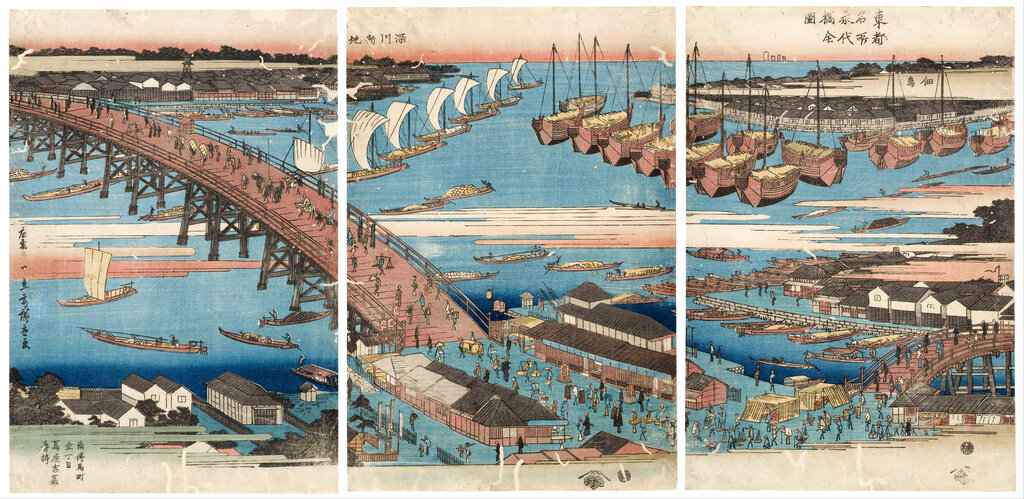
Despite its feudal structure, the Edo period laid the groundwork for what was to come. It created a unified nation with a high literacy rate, sophisticated commercial networks, and a population ready for change.
A New Era of Industry
In 1853, American warships arrived in Tokyo Bay, forcing Japan to open its borders to international trade. The shock of this event led to the collapse of the shogunate and the Meiji Restoration in 1868. The new government, recognizing Japan's vulnerability, embarked on a rapid and radical program of modernization.
The guiding principle was Fukoku Kyōhei, meaning "Enrich the Country, Strengthen the Army." Japan sent missions to the West to study everything from shipbuilding to banking. The government invested heavily in infrastructure, building railways, telegraph lines, and modern factories. It dismantled the feudal class system and established a national currency, the yen.
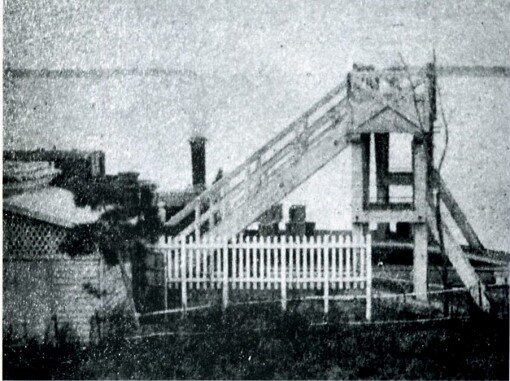
This top-down industrialization spurred the growth of powerful family-owned business conglomerates known as zaibatsu, such as Mitsubishi and Mitsui. These groups would dominate the Japanese economy for decades. In just a few decades, Japan transformed from an isolated feudal society into a modern industrial power, a stunningly fast transition.
From Ashes to Miracle
Japan's imperial ambitions led to World War II, which left the country devastated. Its cities were in ruins, its industrial capacity was shattered, and its empire was gone. Yet from this destruction emerged one of the most remarkable economic recoveries in history.
With initial aid from the United States, Japan began to rebuild. The government, particularly the powerful Ministry of International Trade and Industry (MITI), guided the recovery. It directed capital towards promising export-oriented industries like steel, shipbuilding, and later, automobiles and electronics. Companies like Toyota, Honda, and Sony became household names around the world.
This period, from the 1950s to the 1970s, is known as the Japanese "economic miracle." The country experienced staggering annual growth rates, often exceeding 10%.
Several factors fueled this boom. Japanese households had exceptionally high savings rates, providing a deep pool of capital for investment. A dedicated and well-educated workforce embraced new technologies and quality control methods. Companies fostered lifetime employment, creating a stable and loyal workforce. Japan became a manufacturing powerhouse, its products synonymous with quality and innovation.
The Bubble and the Bust
By the 1980s, Japan's economy was the second-largest in the world. This success, however, sowed the seeds of a massive asset price bubble. A combination of low interest rates and financial deregulation fueled rampant speculation. Stock prices and urban land values soared to astronomical heights.
At the bubble's peak in 1989, the grounds of the Imperial Palace in Tokyo were rumored to be worth more than all the real estate in California. The Nikkei stock index reached a record high that it would not surpass for over three decades. Everyone felt rich, and spending was lavish.
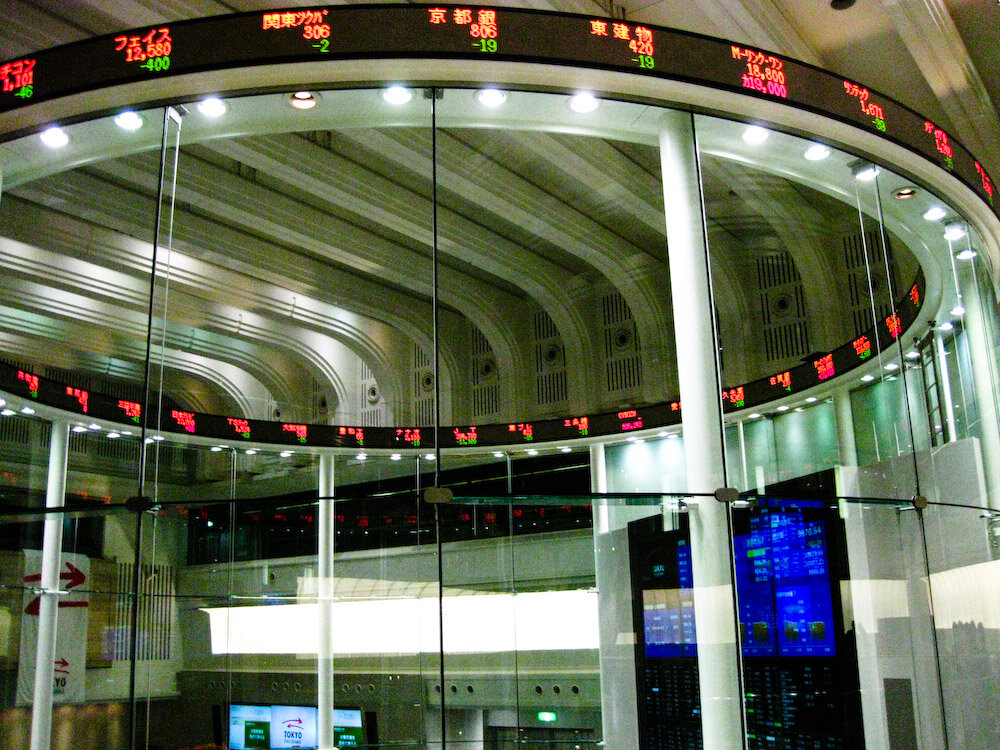
The bubble burst spectacularly in the early 1990s. The Bank of Japan raised interest rates to cool the overheating economy, causing stock and real estate prices to crash. The collapse left banks with mountains of bad loans and companies deeply in debt.
What followed was the "Lost Decade." The 1990s were marked by economic stagnation, deflation, and financial instability. The once-unstoppable Japanese economy ground to a halt. This period fundamentally reshaped Japan's economy and its financial landscape, with effects that are still felt today.
Ready to test your knowledge of Japan's economic journey?
What was the primary basis of the economy during the Tokugawa shogunate's period of isolation?
The rapid modernization during the Meiji Restoration was guided by the principle of Fukoku Kyōhei, which means:
Understanding these distinct eras—from feudal isolation to industrial giant, and from bubble to bust—provides crucial context for Japan's modern economy.