Japanese Laundry Folding Techniques
Introduction to Japanese Laundry Practices
The Art of Laundry
In Japan, household chores are often approached with a level of intention and care that might seem surprising. Tidiness is more than just a preference; it’s a cultural value that reflects a respect for one's living space and possessions. This philosophy extends to every corner of the home, including the laundry basket.
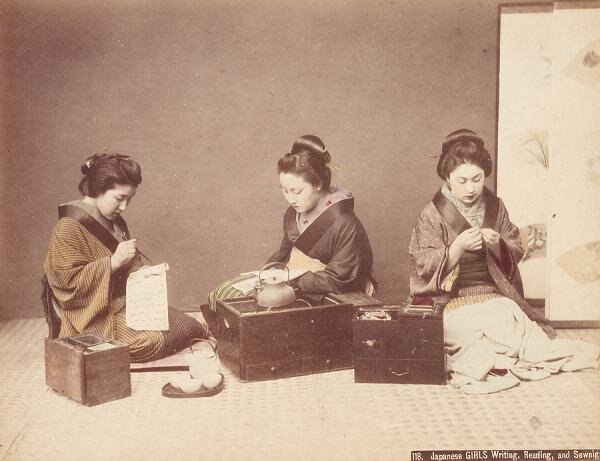
Rather than being a dreaded task to rush through, doing laundry is seen as a small, mindful ritual. It’s part of a broader approach to life that values order and calm. This starts with how laundry is managed day-to-day. Instead of waiting for a huge pile to accumulate, the common practice is to wash clothes frequently in smaller loads. This keeps the task manageable and ensures a constant supply of fresh clothes.
Instead of letting laundry pile up, many Japanese homes prefer to handle laundry in small batches.
Methods and Mindset
Traditional laundry methods emphasize care and preservation of clothing. Air-drying is extremely common, often on balconies or verandas. This is not only energy-efficient but also gentler on fabrics compared to machine drying. This careful handling shows a deep appreciation for one's belongings.
Another simple but effective tool is the laundry net. These small mesh bags are used to protect delicate items, like sweaters or undergarments, from getting stretched or snagged in the washing machine. It’s a small step that makes a big difference in the longevity of a garment.
Many Japanese people use laundry nets to wash bras, sweaters, and other delicate items.
This approach to laundry isn't about rigid rules. It’s about a mindset. By treating a simple chore with mindfulness and discipline, the act itself becomes less of a burden and more of a contribution to a peaceful, well-ordered home environment. It transforms the task from something to be crossed off a list into a practice of intentional living.
Less about crossing chores off a to-do list, Japanese cleaning philosophy centers around discipline, mindfulness, and intentional tidying.
Let's review the main ideas.
Ready to check your understanding?
What is the primary philosophy behind the Japanese approach to household chores like laundry, as described in the text?
According to the text, what is a common practice in Japan for managing the amount of laundry?
This foundational philosophy of care and mindfulness is the key to understanding specific organizational techniques.