Japanese Language Basics
Japanese Writing Systems
The Three Scripts
Japanese writing looks complex because it's not just one system, but three working together: Hiragana, Katakana, and Kanji. Think of them as different tools for different jobs. Mastering the first two, Hiragana and Katakana, is the essential first step. They are the phonetic foundation for everything else.
The Japanese writing system consists of three main scripts: Hiragana, Katakana, and Kanji.
Let's break them down one by one.
Hiragana: The Foundation
Hiragana (ひらがな) is the first script every Japanese child learns. Its characters are curvy and flowing. Each character represents a specific syllable, like 'ka', 'shi', or 'mo'. Since it can represent every sound in the Japanese language, you could technically write anything in just Hiragana.
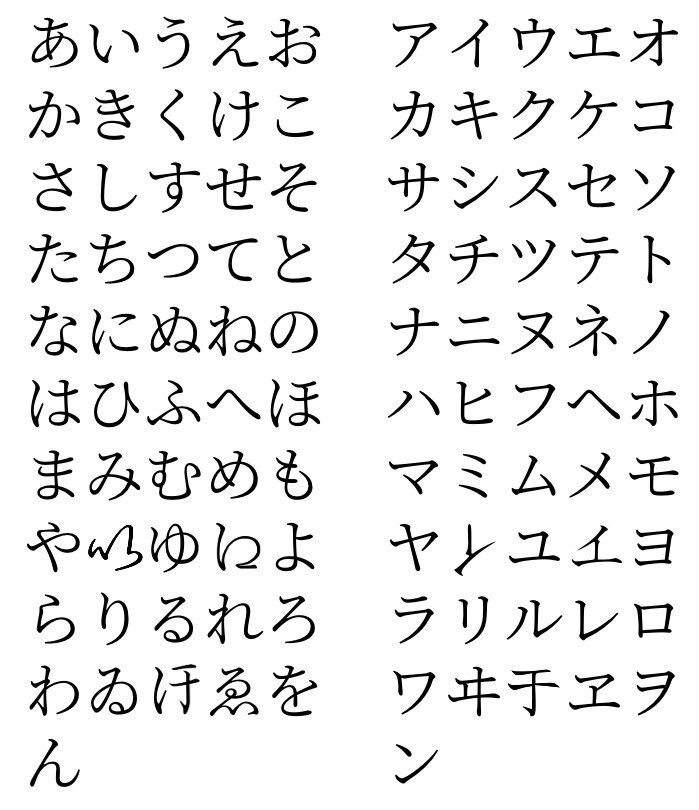
Hiragana is primarily used for grammatical purposes. You'll see it used for particles that mark parts of a sentence, for verb and adjective endings, and for native Japanese words that don't have a Kanji representation. It's the glue that holds sentences together.
Think of Hiragana as the workhorse of Japanese grammar. Its soft, rounded shapes connect the other parts of the language.
Katakana: For Foreign Words
Katakana (カタカナ) represents the exact same sounds as Hiragana, but its characters are sharp and angular. Its main job is to write words borrowed from other languages. For example, the word for 'computer' is コンピューター (konpyūtā), and 'taxi' is タクシー (takushī).
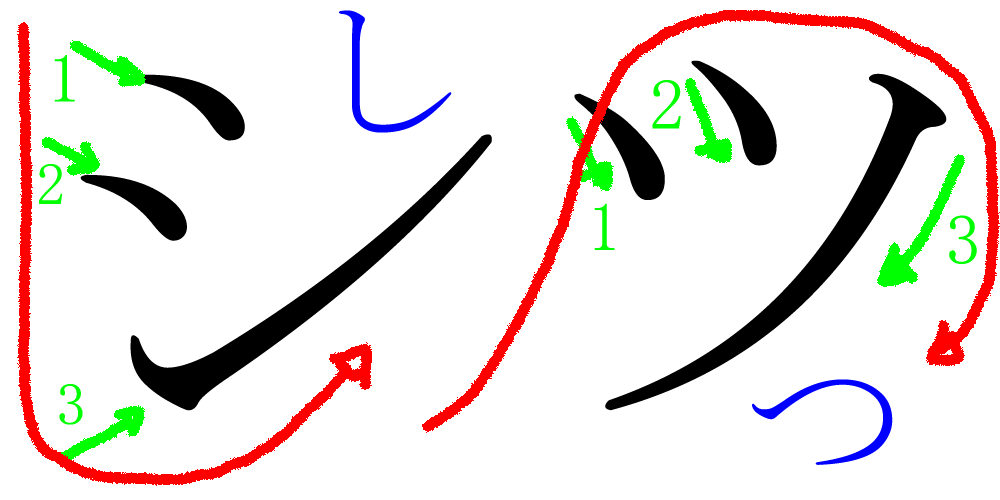
Besides foreign words, Katakana is also used for emphasis, much like italics in English. You'll also see it used for scientific names of plants and animals, as well as for onomatopoeia, or sound words.
Kanji: The Characters of Meaning
Kanji (漢字) are characters borrowed from Chinese. Unlike Hiragana and Katakana, which represent sounds, Kanji represent ideas or entire words. For example, the single character 木 means 'tree,' while the character 人 means 'person.' Combining them creates new words, like 人口 ('population,' literally 'person mouth').
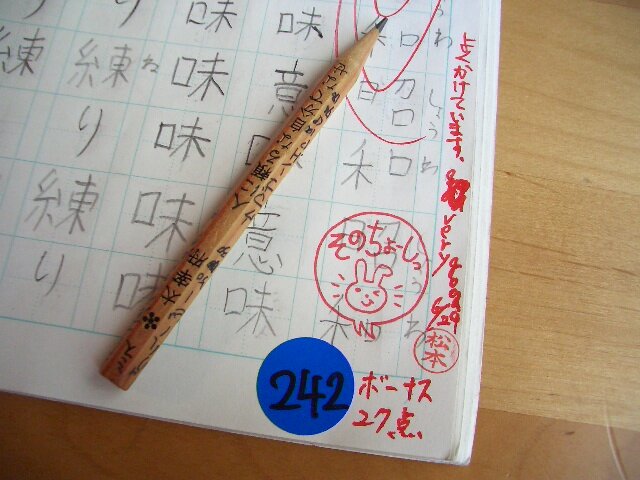
There are thousands of Kanji in use. They are used for the core parts of words, like nouns and the stems of verbs and adjectives. Learning them is a long-term process, but you'll start by recognizing the most common ones. Don't worry about memorizing thousands right now; focus on Hiragana and Katakana first.
Before tackling Kanji, make sure you are comfortable with Hiragana and Katakana. They are the key to unlocking everything else.
Putting It All Together
A typical Japanese sentence uses all three scripts. Let's look at an example: 私はアメリカ人です (Watashi wa Amerikajin desu), which means "I am American."
- 私 is a Kanji for "I".
- は and です are written in Hiragana for grammatical purposes.
- アメリカ is written in Katakana because "America" is a foreign word.
- 人 is a Kanji for "person," which attaches to America to mean "American."
Seeing them work together makes their roles much clearer.
| Script | Appearance | Primary Use |
|---|---|---|
| Hiragana (ひらがな) | Curvy, flowing | Grammar, verb/adjective endings, native words |
| Katakana (カタカナ) | Sharp, angular | Foreign words, emphasis, scientific names |
| Kanji (漢字) | Complex, pictographic | Nouns, verb/adjective stems, core concepts |
Now that you understand the roles of each script, it's time to start recognizing the characters. The next sections will focus on practicing Hiragana and Katakana, which are collectively known as Kana.
Ready to check your understanding of these three systems?
What are the three core scripts that work together in the modern Japanese writing system?
Which script is characterized by its curvy, flowing characters and is primarily used for grammatical purposes like particles and verb endings?
With this foundation, you're ready to start reading and writing the basic sounds of Japanese.