Japanese Craftsmanship and Culture
Introduction to Shokunin
The Spirit of the Artisan
In English, we might use the word “artisan” or “craftsman” to describe someone who is highly skilled at making things by hand. In Japan, there is a word that carries a much deeper meaning.
Artisan, Craftsman
shokunin
noun
A master artisan who is not only technically skilled but also possesses a deep spiritual and social consciousness regarding their work.
The concept of shokunin (職人) goes beyond technical mastery. It implies a sense of duty to society. A shokunin has an obligation to create the best work they possibly can, not for personal gain or recognition, but for the benefit of the people who will use their creations. This mindset is about pursuing perfection for its own sake and for the good of the community.
A History of Dedication
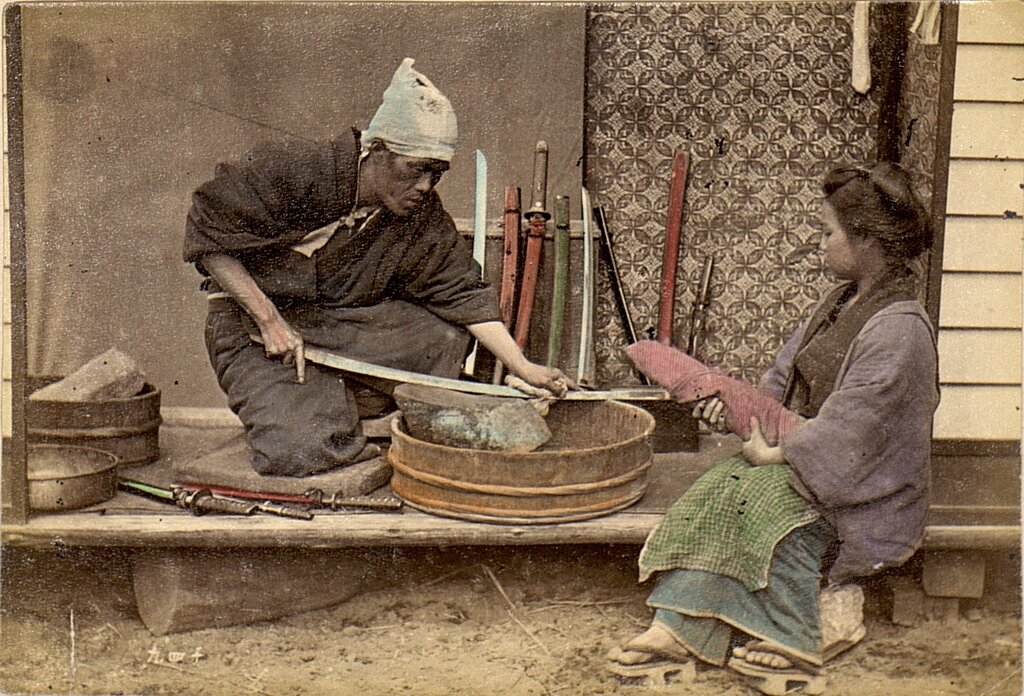
The idea of the shokunin has deep roots in Japanese history, shaped by both philosophy and necessity. During the Edo period (1603-1868), Japan was largely isolated from the rest of the world. This isolation forced communities to become self-sufficient. Artisans were essential for survival, providing everything from tools and textiles to swords and pottery.
This environment fostered a deep respect for skilled labor. Crafts were often passed down through families for generations, creating long lineages of specialized knowledge. A son would learn from his father, not just the techniques of the trade, but the spirit and philosophy behind it. This created a culture where improving one's craft was a lifelong endeavor, a way of honoring one's ancestors and serving one's community.
The shokunin spirit is not just about making things; it is about preserving and refining a legacy of knowledge passed through generations.
As Japan modernized, the role of the shokunin evolved. While mass production became common, the appreciation for high-quality, handmade goods remained. Shokunin became keepers of tradition, their work representing a connection to Japan's cultural heritage. Today, they are often celebrated as living cultural treasures, masters of skills that are both rare and deeply meaningful.
The Shokunin Philosophy
At its heart, the shokunin philosophy is a mindset built on three core principles: mastery of skill, a sense of social responsibility, and the pursuit of perfection.
A shokunin doesn't just work; they immerse themselves in their craft. They are constantly learning, practicing, and refining their techniques. There is a belief that one can always do better. This is not a stressful pursuit of an impossible goal, but a joyful, meditative process of gradual improvement. The work itself is the reward.
This dedication is tied to the idea that their work has a purpose beyond the object itself. A bladesmith is not just making a knife; they are creating a tool that will help a chef prepare food for others. A potter is not just making a bowl; they are crafting a vessel that will bring warmth and comfort to a family's meal. This connection to the end user and the community is fundamental to the shokunin spirit.
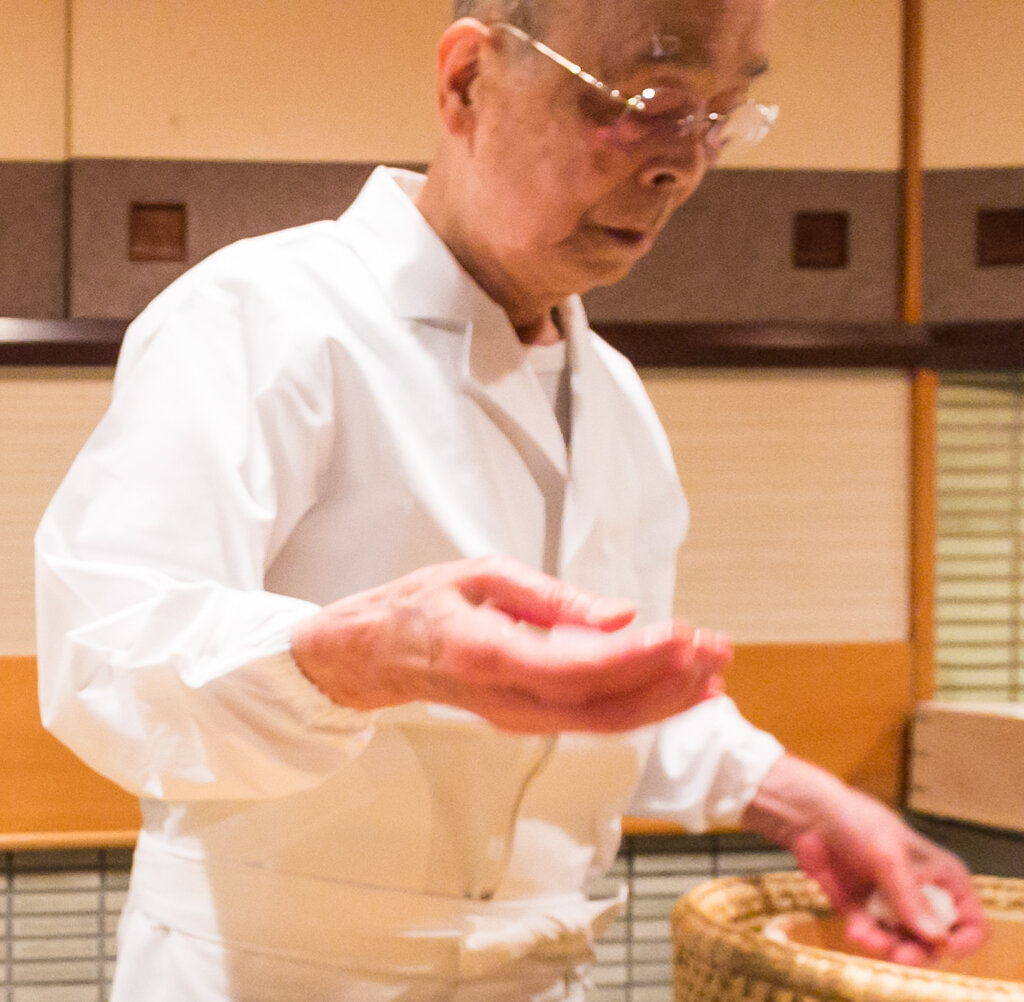
This philosophy elevates craftsmanship from a simple job to a way of life, intertwining technical skill with personal character and social duty.
Ready to check your understanding?
What is the defining characteristic of a shokunin that distinguishes the term from the English word "artisan"?
The philosophy of shokunin was significantly shaped during which period of Japanese history, known for its isolation and emphasis on self-sufficiency?
The shokunin approach shows us that dedication to a craft can be more than a profession; it can be a path to personal fulfillment and a meaningful contribution to society.